
The energy transition poses enormous challenges for electric grid operators. Renewable energy sources, new consumers, and rising electricity demand require high-performance grids as well as modern substations and transformer stations. A key prerequisite for this is the digitalization of existing energy facilities. At the same time, however, a large portion of the existing energy infrastructure is still based on analog systems. This is precisely where one of the greatest challenges lies. Before digital twins, automated processes, or artificial intelligence can be deployed, existing energy facilities must first be digitally mapped.
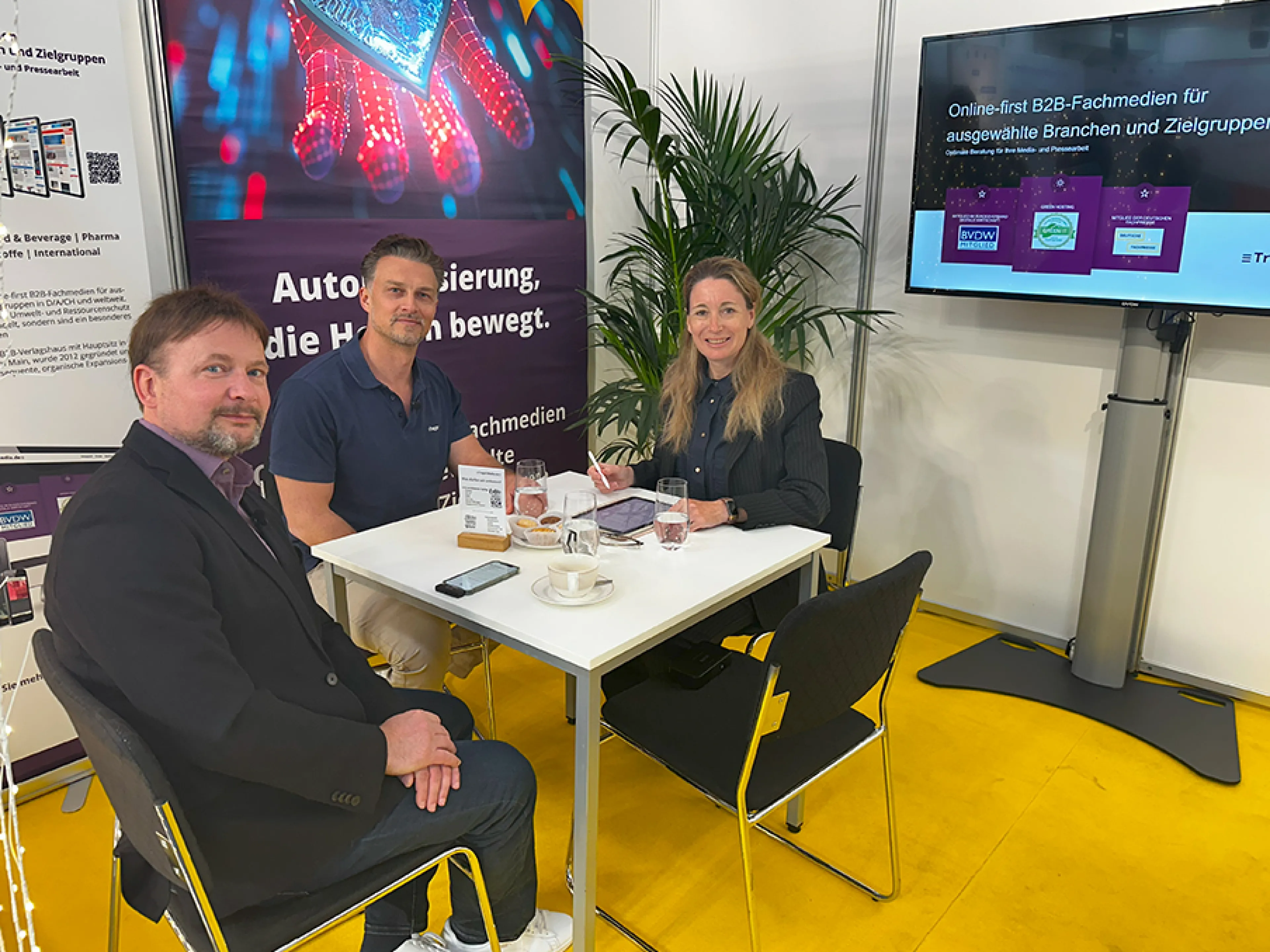
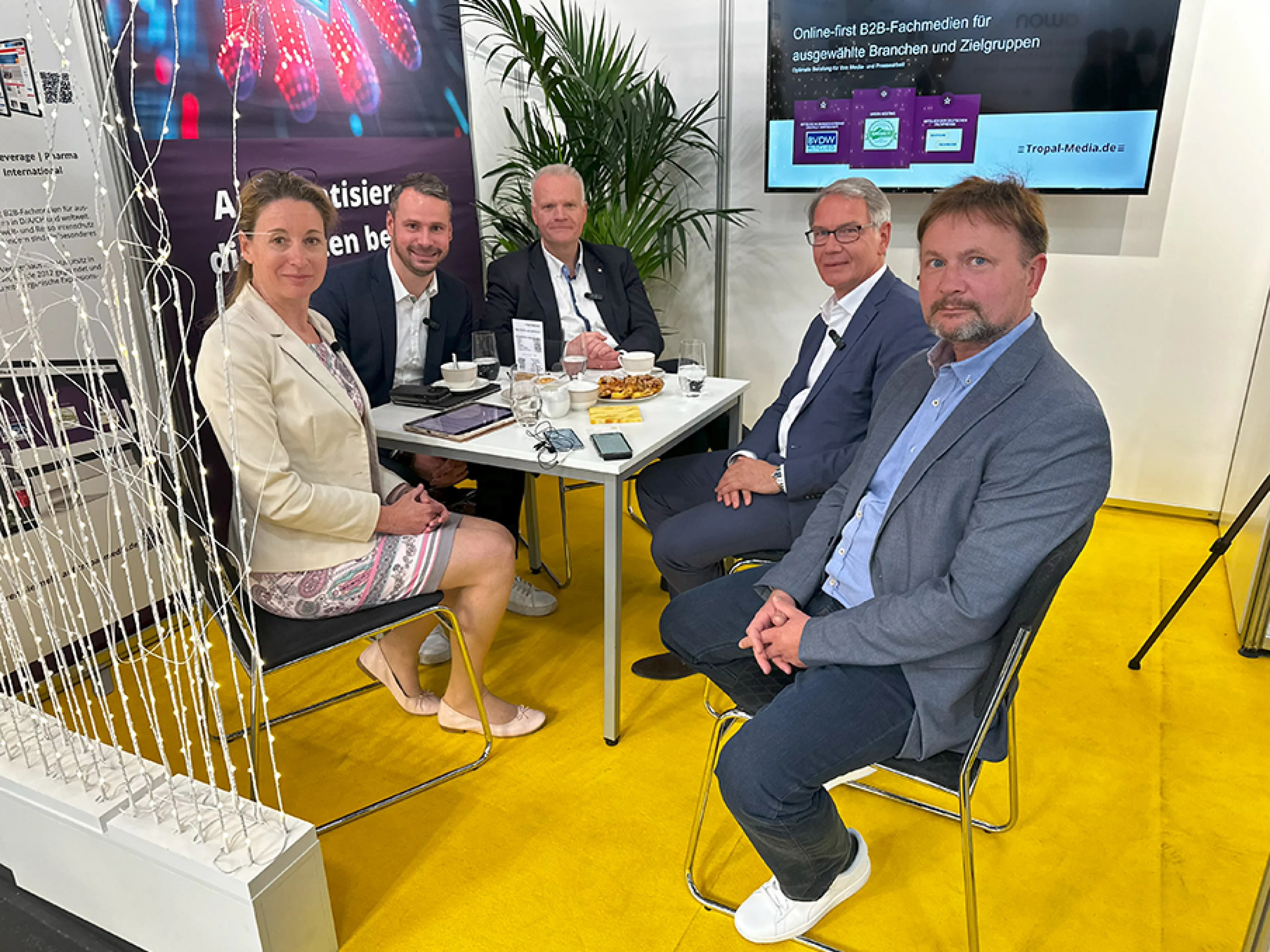
Stephanie Kudak, Vertical Market Manager for Energy at Eplan, and Heiko Tautor, Head of Sales at Insys Icom, discussed the practical hurdles involved and the solutions already emerging during a highlight talk at “The smarter E Europe.” The discussion focused on analog legacy data, data consistency, and the question of how existing energy facilities can be gradually transitioned into digital energy systems.
The biggest challenge lies in the analog infrastructure of the energy sector
When it comes to the topic of “digitizing energy infrastructure,” many people initially think of smart grids or modern software solutions. However, the reality for many grid operators is often quite different. Analog documentation still forms the basis of many planning and maintenance processes. Stephanie Kudak is familiar with this situation from numerous projects. “For many grid operators, a large portion of the inventory data has not yet been digitized.” Often, circuit diagrams exist only on paper or have been handwritten and updated over the years. Before engineers can begin planning an expansion, the existing plant inventory must first be documented and converted into a usable digital format.

However, not every energy facility needs to be fully digitized, according to Kudak. “It’s not absolutely necessary to aim for 100 percent digitization right away - if, for example, only the most relevant facilities and equipment are recorded, we already have a good foundation.” Building on this foundation, artificial intelligence can be used to derive a large portion of the missing information and gradually complete the digital plant model. This can significantly reduce the effort required for digitization.
According to Heiko Tautor, even digitized documentation is not enough. For grid operations, up-to-date information on the condition of the facilities is essential. “Snapshots aren’t enough. Continuous measurement data from live operations is crucial.” Only this data makes it possible to identify trends, plan maintenance measures in a targeted manner, and optimize grid operations in the long term. This discussion makes it clear: digitization doesn’t start with new software. Rather, a robust database is crucial. To achieve this, historical inventory data and current operational information must be merged. In this way, individual pieces of information come together to form a usable overall picture.
A digital twin can also be created retroactively
The digital twin is considered a central element of modern energy facilities. It is often assumed that it is created during the planning phase and then accompanies the facility throughout its entire lifecycle. In practice, however, the situation often looks different. Existing substations, in particular, often lack complete digital documentation. Stephanie Kudak therefore proposes a reverse approach. Traditionally, a digital twin is built during the engineering phase. However, it is possible to first capture the actual condition of the facility, for example, using drone flights. With the help of these modern data collection methods - and, in a second step, through the use of AI - existing documentation can be analyzed, information can be structured, and missing data can be gradually supplemented. The digital twin is thus created, in a sense, in reverse, starting from the existing condition rather than the original design.
This opens up new possibilities, particularly for older facilities. Instead of completely recreating existing documentation from scratch, existing information can be utilized intelligently and continuously expanded. This reduces the workload while also laying the foundation for further steps toward digitization. Heiko Tautor expands on this idea from the perspective of grid operations. Its added value stems not only from a digital representation of the facility, but also from its continuous integration with operational and condition data. Only then does static documentation become a dynamic model that reflects a facility’s actual condition and enables well-informed decisions.
Data in energy facilities should be created only once
However, digitizing individual facilities alone is not enough. The real challenge begins where information is exchanged between planning, engineering, construction, and operations. Data is still frequently recorded multiple times or transferred between different systems, with the corresponding time expenditure and potential for errors.
For Stephanie Kudak, this is precisely where the key to more efficient processes lies. Data should ideally be created only once. The digital twin acts as the single source of truth and serves as an entry point into the various systems. This ensures that all stakeholders have access to a single database throughout the entire lifecycle of an energy plant. Consistent data models and uniform structures are prerequisites for this.
According to Heiko Tautor, open standards are a key success factor. In the energy sector, systems from different manufacturers must work together reliably. Instead of copying data multiple times, the key is to make it available exactly where it is actually needed. Only then can engineering efforts be reduced and digitalization implemented cost-effectively. Data interoperability is therefore much more than just an IT issue. It forms the foundation for more efficient planning processes and higher data quality. This is the only way to ensure the interconnection of different systems throughout the entire plant lifecycle.
Automation creates freedom for skilled workers
The expansion of the energy infrastructure is leading to increasing technical requirements and a greater need for qualified skilled workers. At the same time, planning and operational processes are becoming increasingly complex. For Stephanie Kudak and Heiko Tautor, one thing is clear: above all, digitalization must help make more efficient use of existing resources. Kudak sees great potential in engineering in particular. Repetitive tasks could be largely automated today, giving engineers more time for complex tasks. Another aspect is simplifying the technology so that even unskilled workers can operate it. The goal is not to replace expert knowledge, but to make day-to-day work easier. “Automation should support people, not replace them.”

Heiko Tautor also views automation as a key component in the operation of modern energy plants. Intelligent communication solutions can continuously collect and analyze status data. This ensures that the relevant information is available exactly when decisions need to be made. Digitalization therefore means, above all, making expert knowledge available more quickly and designing processes more efficiently. Both are convinced that automation can only realize its full potential if it is based on a consistent data foundation. Without structured data, neither engineering processes nor operational workflows can be improved in a sustainable manner.
Secure communication as foundation of digital energy grids
However, as digitization increases, so do the requirements for secure data transmission. Energy facilities are part of critical infrastructure. Consequently, the requirements for communication networks, transmission protocols, and cybersecurity are correspondingly high. For Heiko Tautor, digitization therefore does not end with the creation of a digital twin. Equally crucial is secure and standardized communication between the various components of an energy facility.
At the same time, new legal requirements are becoming increasingly important. With the Cyber Resilience Act and the NIS2 requirements for operators of critical infrastructure, securing networked systems is coming into sharper focus. “We must ensure today that our solutions will also meet tomorrow’s requirements,” Tautor emphasizes. Open standards, he notes, are not at odds with security but rather an important prerequisite for reliable and future-proof communication.
Stephanie Kudak picks up on this point. She notes that data interoperability can only function sustainably if information can be described uniformly and transmitted securely between different systems. Standards, she explains, are therefore not only a technical prerequisite for efficient engineering but also an essential building block for the secure operation of energy facilities.
Digitizing the energy infrastructure can only succeed through collaboration
It became clear several times during the course of the discussion that the digital transformation of the energy infrastructure can only succeed if all stakeholders work closely together. Grid operators, engineering providers, automation specialists, and software manufacturers must share their experiences more extensively and develop common standards.
As an example, Stephanie Kudak cited an innovation project with Hamburg’s energy networks. Together with several partners, Eplan is working there on methods to meet the growing demands of grid operation more quickly, efficiently, and in a future-proof manner. The insights gained are intended to benefit more than just large grid operators. Through joint events and webinars, smaller municipal utilities and distribution network operators will also be able to benefit from these experiences. Heiko Tautor likewise views regular exchange as a crucial factor for success. In his opinion, the energy transition can only be accelerated if technical solutions are based on common standards and different systems communicate reliably with one another. Digitalization is therefore not the responsibility of individual companies, but a joint project for the entire energy sector.
Conclusion: The digitalization of energy infrastructure begins long before the first sensor is installed
The discussion between the two energy specialists makes it clear that the digital transformation of energy infrastructure encompasses far more than just new software or smart communication technology. The real key lies in the quality and availability of the data. While Stephanie Kudak focuses on the digitalization of existing facilities, end-to-end engineering processes, and the creation of digital twins, Heiko Tautor demonstrates how continuously collected operational data can make grid operations more transparent and efficient. Both perspectives complement each other: Only when planning and operational data are consolidated is the foundation laid for automated processes and smart energy infrastructures. The real challenge, therefore, is not to introduce new technologies, but to gradually transition infrastructures that have evolved over decades into the digital world. Both panelists see this as one of the crucial tasks on the path to an efficient and future-proof energy supply.