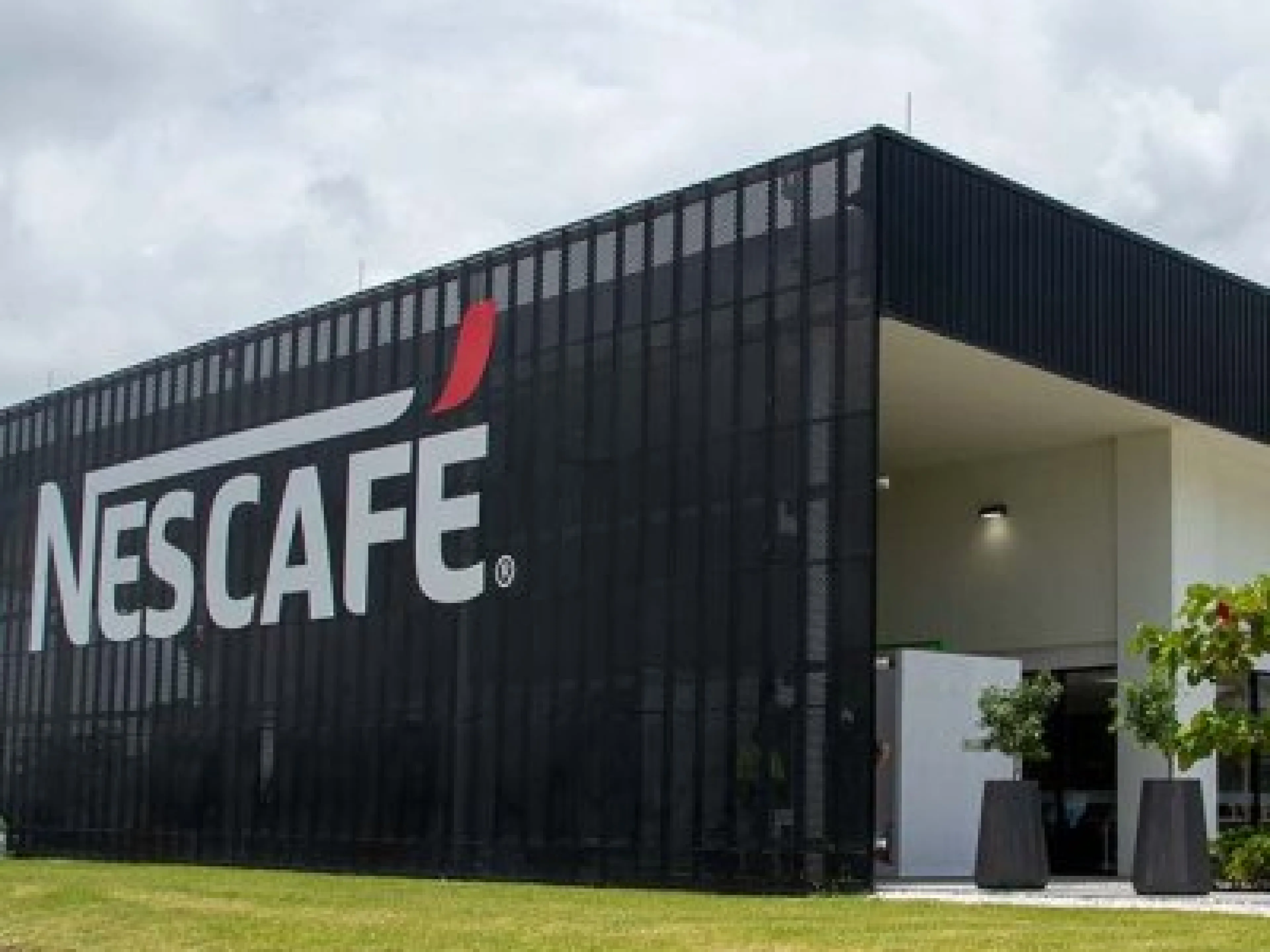

Nestlé will invest CHF 563 million in a new Nescafé manufacturing facility in Samut Prakan, Thailand. The project is scheduled to begin operations in the second half of 2028. The site will produce soluble coffee, coffee mixes and ready-to-drink beverages for the domestic market and export destinations across Southeast Asia. It also includes an advanced on-site distribution center designed to improve inventory management, shorten delivery times and increase supply chain flexibility.
Nestlé strengthens coffee production in one of its largest markets
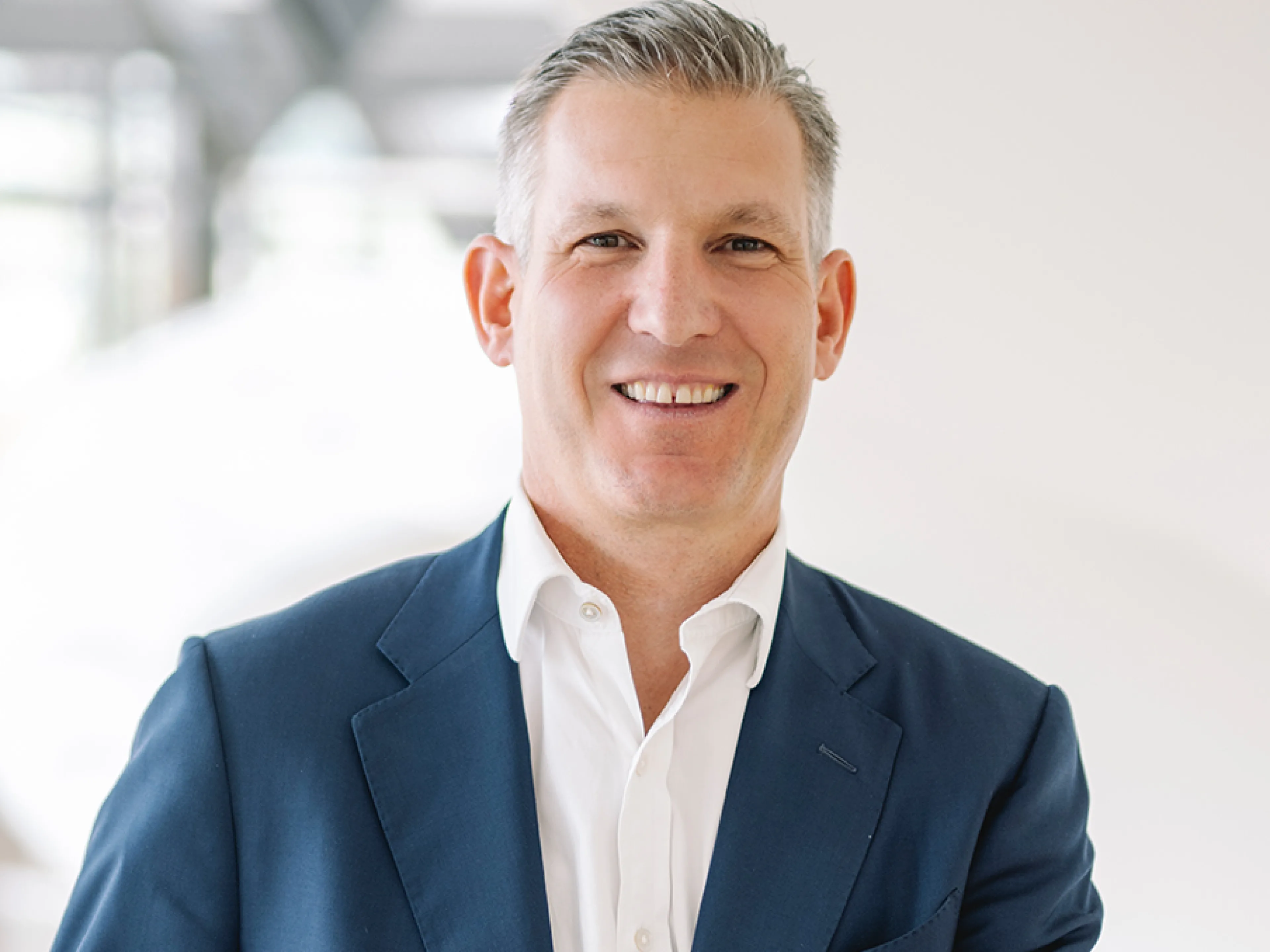
Thailand is one of Nestlé's most important coffee markets worldwide, with an estimated market value of around CHF 1 billion. According to the company, the investment will increase production capacity while supporting long-term growth of the Nescafé brand across the region. "Coffee is Nestlé's largest business globally, and Thailand is one of our biggest coffee markets," says Remy Ejel, Executive Vice President and CEO of Nestlé's Zone Asia, Oceania and Africa. "This new state-of-the-art factory will increase our Nescafé production capacity in Southeast Asia and contribute to the long-term growth of our coffee business."
Advanced technology supports manufacturing strategy
The new production facility will employ more than 500 people. It will incorporate advanced automation, robotics and AI-enabled systems to improve operational efficiency and product quality. Among the technologies being deployed are Nestlé's next-generation coffee extraction and aroma recovery systems. They are designed to preserve coffee aromas during processing. Automated packaging, transport and warehouse systems will further optimize production and logistics.
Nestlé expands support for local suppliers and coffee farmers
Nestlé plans to source local ingredients and raw materials worth more than CHF 100 million annually. The company expects the investment to strengthen Thailand's agricultural supply chain while creating additional opportunities for local suppliers. The new factory also builds on more than four decades of collaboration with Thai coffee farmers. Nestlé has supported the sector through coffee plant distribution and programs promoting regenerative agriculture, climate resilience and improved crop quality.
Nestlé investment aligns with Thailand's sustainability strategy
The investment has received support from Thailand's Board of Investment because it contributes to the country's Bio-Circular Green (BCG) economy strategy. According to Nestlé, the new facility is designed to combine higher production efficiency with more sustainable manufacturing processes through advanced technology and automation.