
Leuze expands its safety portfolio: The LBK 3D radar system is now also available with a CIP Safety interface. This makes it even easier to integrate into Ethernet/IP-based safety networks. The technology offers reliable personal protection in industrial environments, even where dust, smoke, sparks, or chips make the use of optical systems difficult.
3D radar system detects people even under difficult conditions
People in the danger zone are reliably detected by the 3D radar system, regardless of whether they are moving or standing still. Static objects such as pallets or containers do not trigger a shutdown. Due to the radar principle, the system also monitors zones on steps, pedestals, or behind non-metallic obstacles. This makes the radar system particularly suitable for working environments with welding sparks, wood or metal dust.
CIP Safety integrated
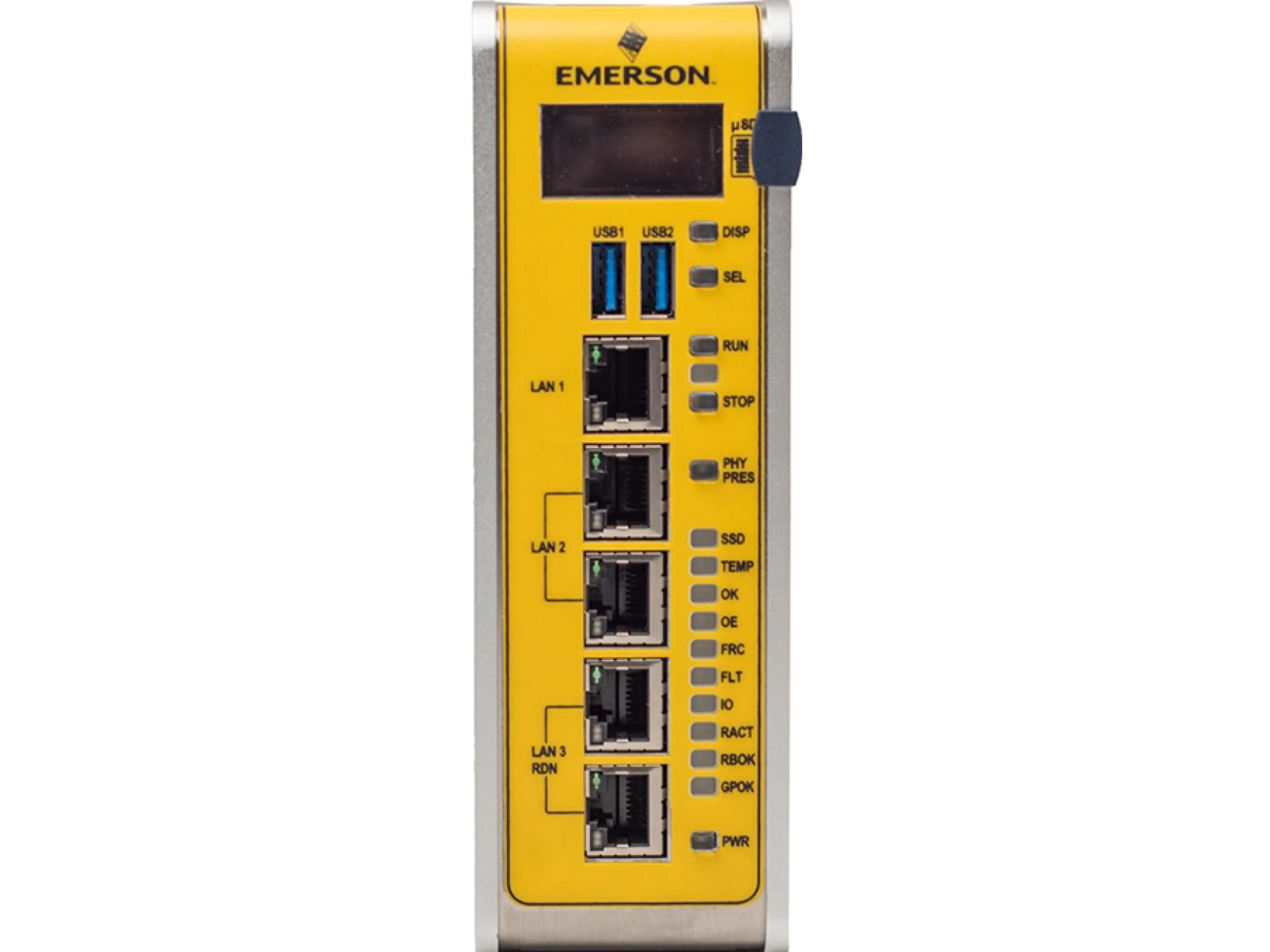
The system includes a separate controller, which is now also available with a CIP Safety interface. CIP Safety (“Common Industrial Protocol Safety”) is an extension of the CIP protocol. This enables safe, standardized integration into networks. Alternatively, controllers with Profisafe or “FSoE” interfaces are available. Users can easily configure the radar system with the LBK Designer software. An SD memory card is available as an option for parameterization.
Radar system for machines, material flows, and travel paths
The system covers a wide range of applications:
- Monitoring of work areas in and in front of machines
- Restart protection in production environments
- Access protection at material transfer points
- Traffic route protection for AGVs, transfer cars, or crane systems
Radar technology is insensitive to extraneous light and reflective surfaces. The radar system can be adapted to different traffic routes via defined warning and protection fields.
Scalable radar system with up to 24 sensors
Each controller can be combined with up to six sensors. In a configuration with four controllers, up to 24 sensors can be operated in one system. This makes the system suitable for securing larger areas. The length, opening angle, and width of the monitoring zones can be flexibly adapted to the respective application. Upon request, certified safety experts from Leuze can provide support during commissioning.