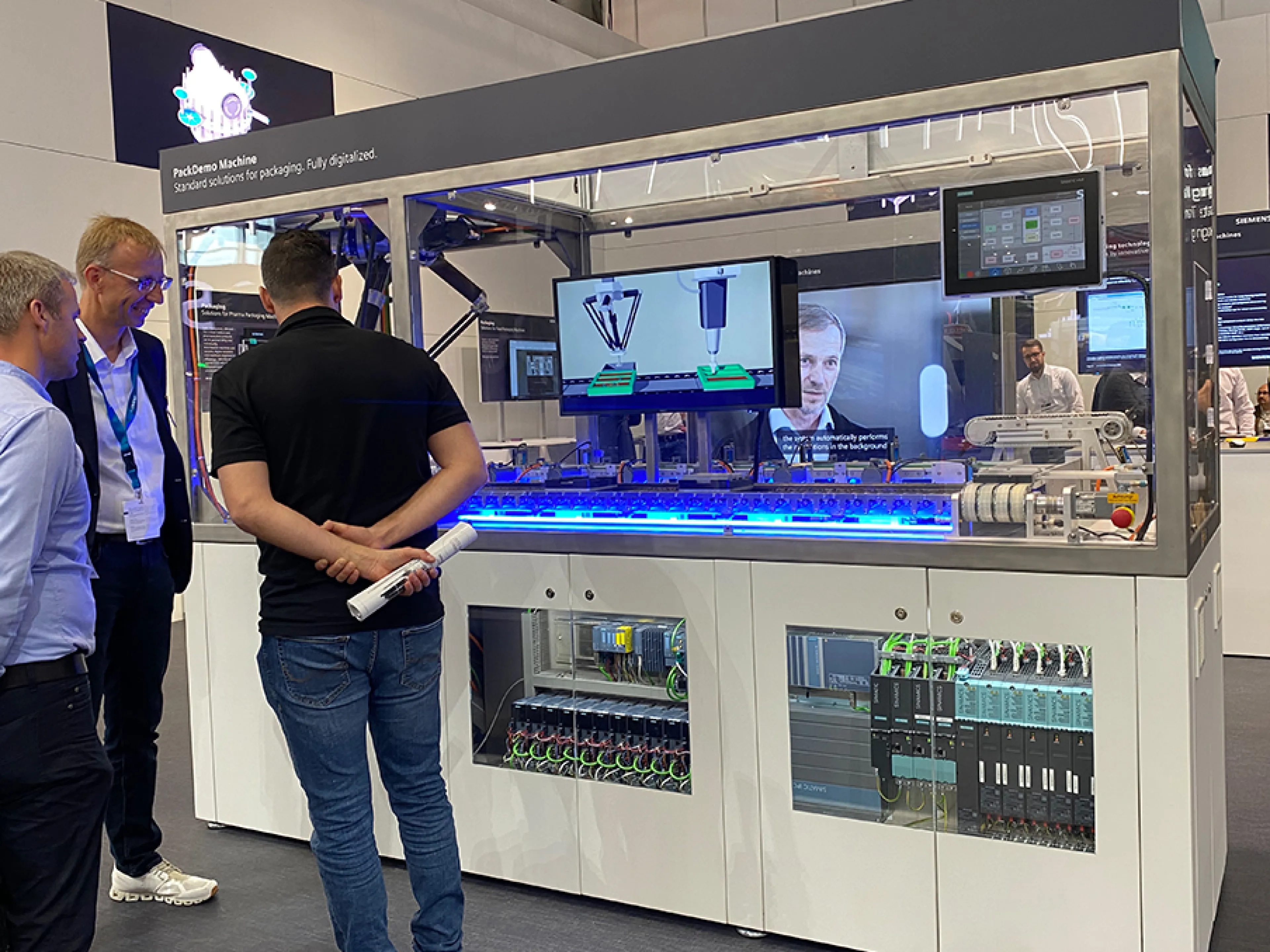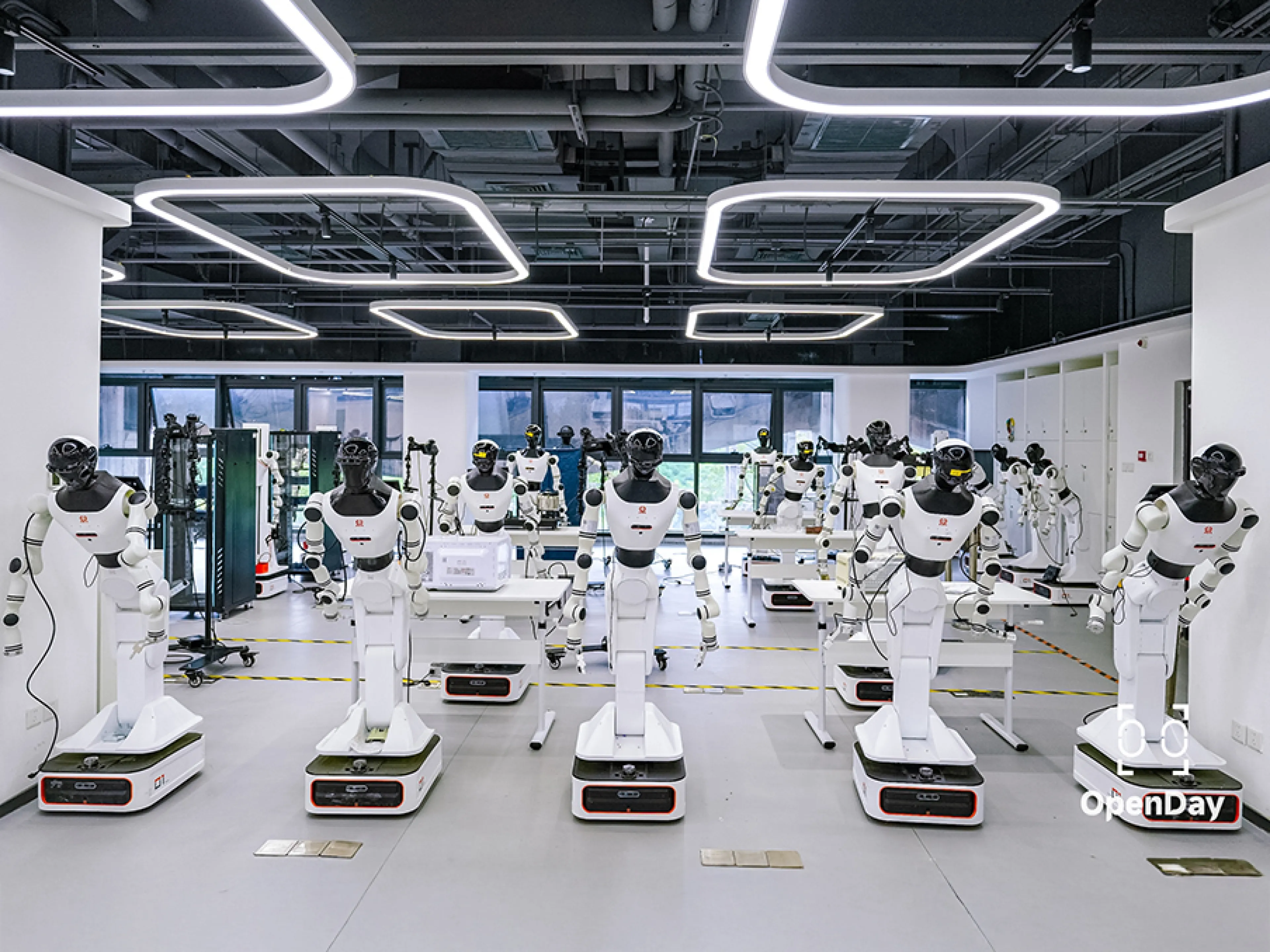


The 2026 Hannover Messe demonstrated how industrial companies are responding to current challenges and putting technological solutions into practice. The focus was on developments in the areas of artificial intelligence, automation, and digitalization. These technologies help make production processes more efficient and ensure competitiveness. Despite difficult market conditions, it is clear that industrial transformation is no longer merely a topic of theoretical discussion but is increasingly being implemented in practice.
Hannover Messe with international participation and high relevance
Approximately 110,000 visitors attended the fair. This put attendance below the previous year’s level of 123,000 participants, which is attributable, among other things, to travel restrictions. At the same time, the fair continues to demonstrate high international significance. About 40 percent of the guests traveled from abroad, particularly from China, Brazil, the U.S., Japan, and South Korea.
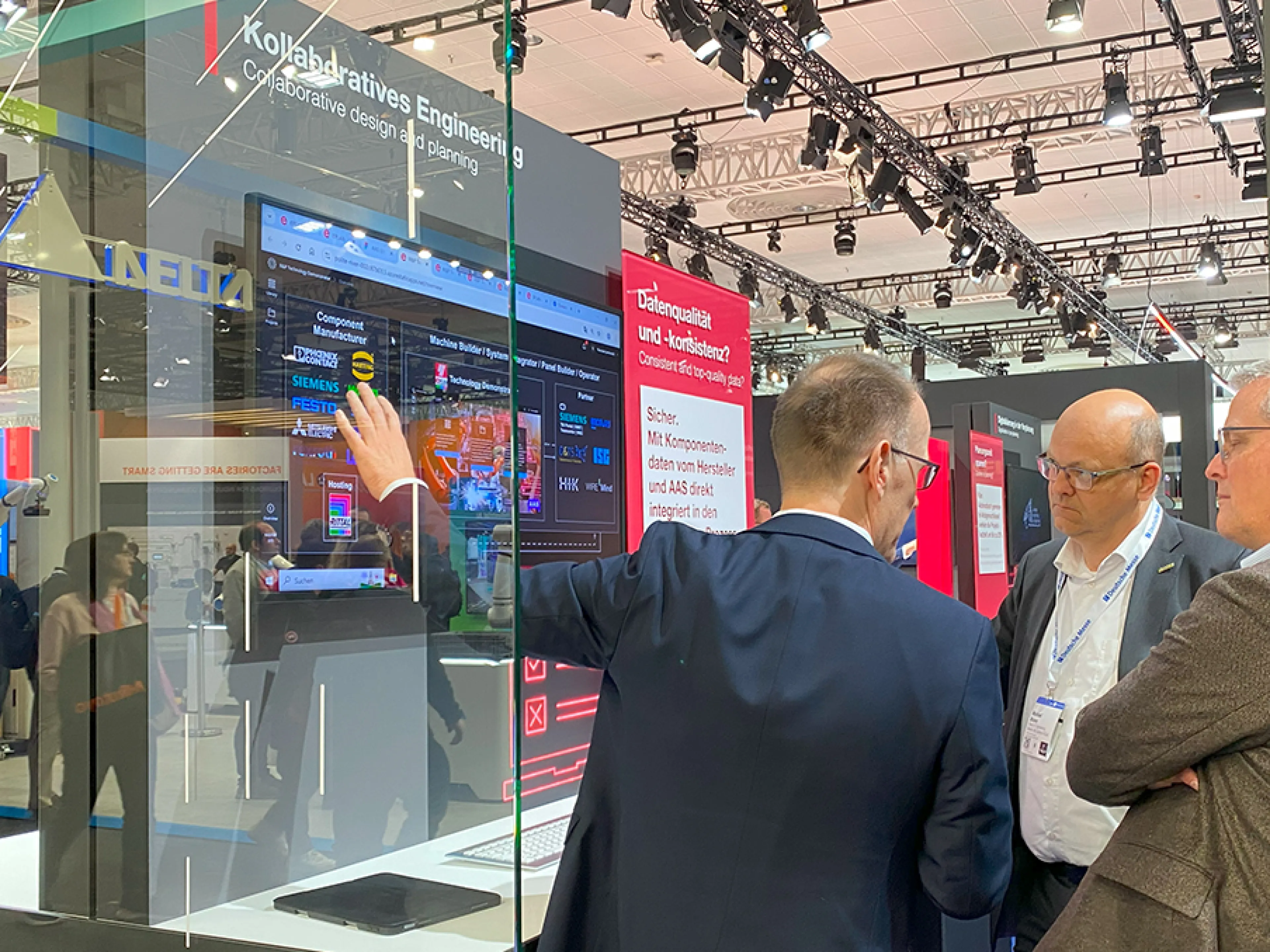
The quality of the technical discussions and the dynamic atmosphere in the halls underscore the event’s relevance. “This year’s Hannover Messe was both a technology show and a source of inspiration. The companies showed that Germany and Europe possess the necessary tools to remain competitive. What is crucial now is to decisively take advantage of this potential and put the pedal to the metal,” says Jochen Köckler, CEO of Deutsche Messe, summarizing the Hannover Messe.

Focus on AI, robotics, automation, and energy infrastructure
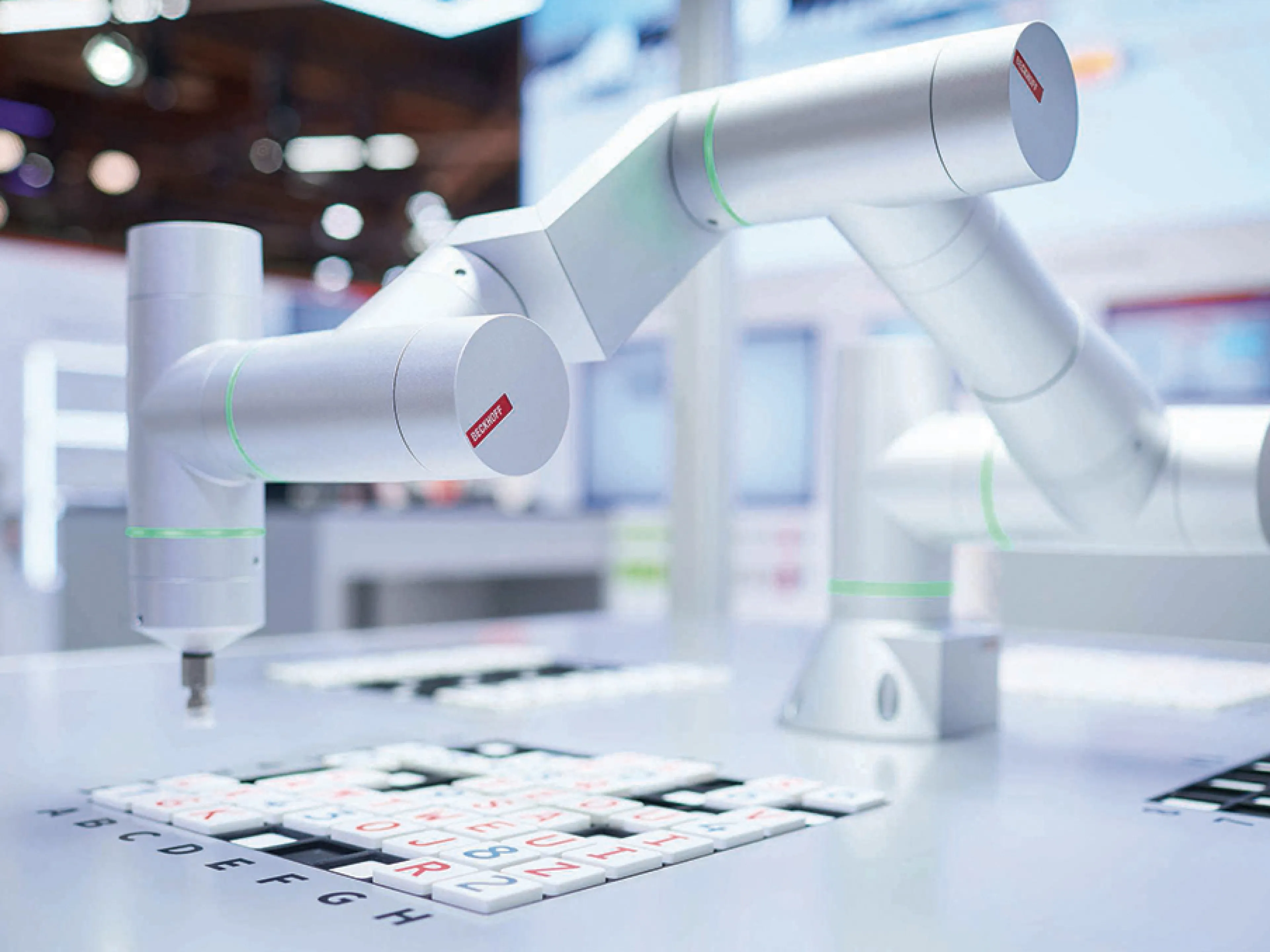
The trade show centered on technologies such as artificial intelligence, robotics, automation, and energy infrastructure. Among other things, companies showcased AI-powered production systems capable of automating processes and predicting outages. These were complemented by developments in humanoid robotics as well as solutions for energy efficiency and grid expansion. These technologies are considered key building blocks for the transformation toward a climate-neutral and competitive industry. At the same time, it is becoming clear that integration into existing production environments is becoming increasingly important.

Industry calls for better operating conditions
In addition to technological developments, the Hannover Messe also addressed the situation of Europe as an industrial hub. High costs, regulatory requirements, and geopolitical uncertainties pose challenges for companies. At the same time, exhibitors are demonstrating that technological solutions are available and continue to be developed.
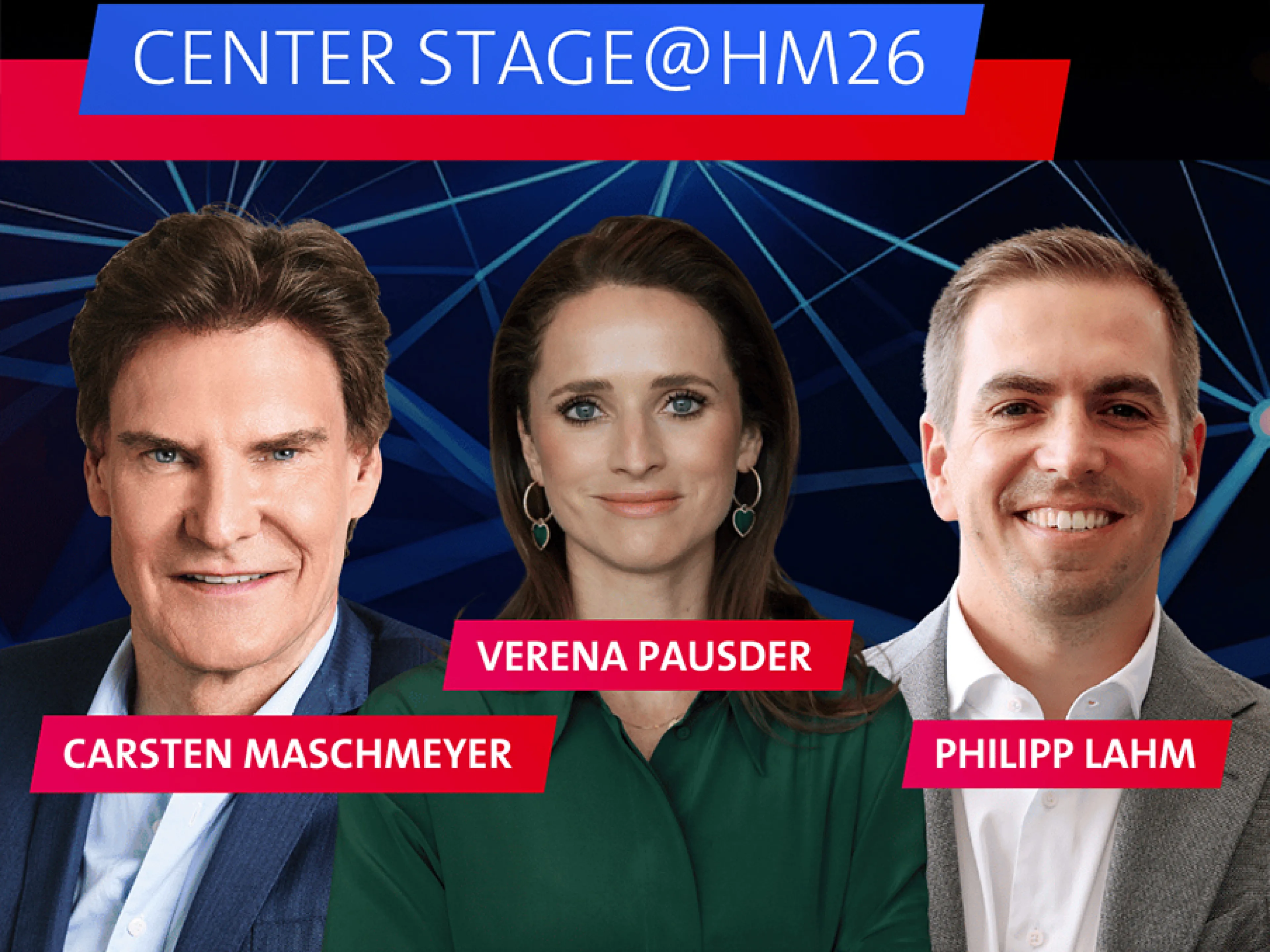
“The new Hannover Messe concept is a success. The Center Stage was especially well received,” explains Dr. Gunther Kegel, President of the ZVEI and Chairman of the Exhibitor Advisory Board and adds: “We urgently need rapid deregulation so that we can assert ourselves as a location amid international competition, especially in the field of industrial AI. Companies have impressively demonstrated the potential of the technology. Now Berlin and Brussels need to eliminate barriers to progress.”
Partner country Brazil provides impetus at Hannover Messe
Brazil presented itself as the partner country with a broad spectrum of industrial and energy topics. Its participation provided impetus for international cooperation and underscored the importance of new trade relationships. Diversifying supply chains is becoming increasingly important, particularly in the context of global changes. Cooperation between Europe and Latin America was highlighted as strategically relevant. The planned EU-Mercosur agreement supports this development and creates additional opportunities for economic cooperation.

Hannover Messe 2027: New dates and partnership with Europe Energy Week
The trade show concept has also been further developed. A new hall layout makes it easier to find your way around and helps visitors make the most of their time at the event. In addition, formats such as masterclasses offer opportunities for targeted exchanges between companies and trade visitors. With around 30,000 visitors, Center Stage has evolved into a central platform for discussion and knowledge transfer. The high demand demonstrates the need to contextualize technological developments and industrial trends.
Looking ahead, Hannover Messe will continue to evolve. Starting in 2027, the event will be condensed into four days to specifically concentrate visitor traffic and business development. At the same time, Europe Energy Week will create an additional platform for topics related to energy and infrastructure. Köckler concludes: “continues to develop consistently and will be more focused, more efficient, and closer to industry. Thematically, the specific application of AI as well as its physical implementation are moving into focus. The combination of artificial intelligence with real machines and production systems will shape Hannover Messe over the coming years and mark the next major step in the development of industry.” The next edition of the event is scheduled for April 5–8, 2027. Spain is the partner country.