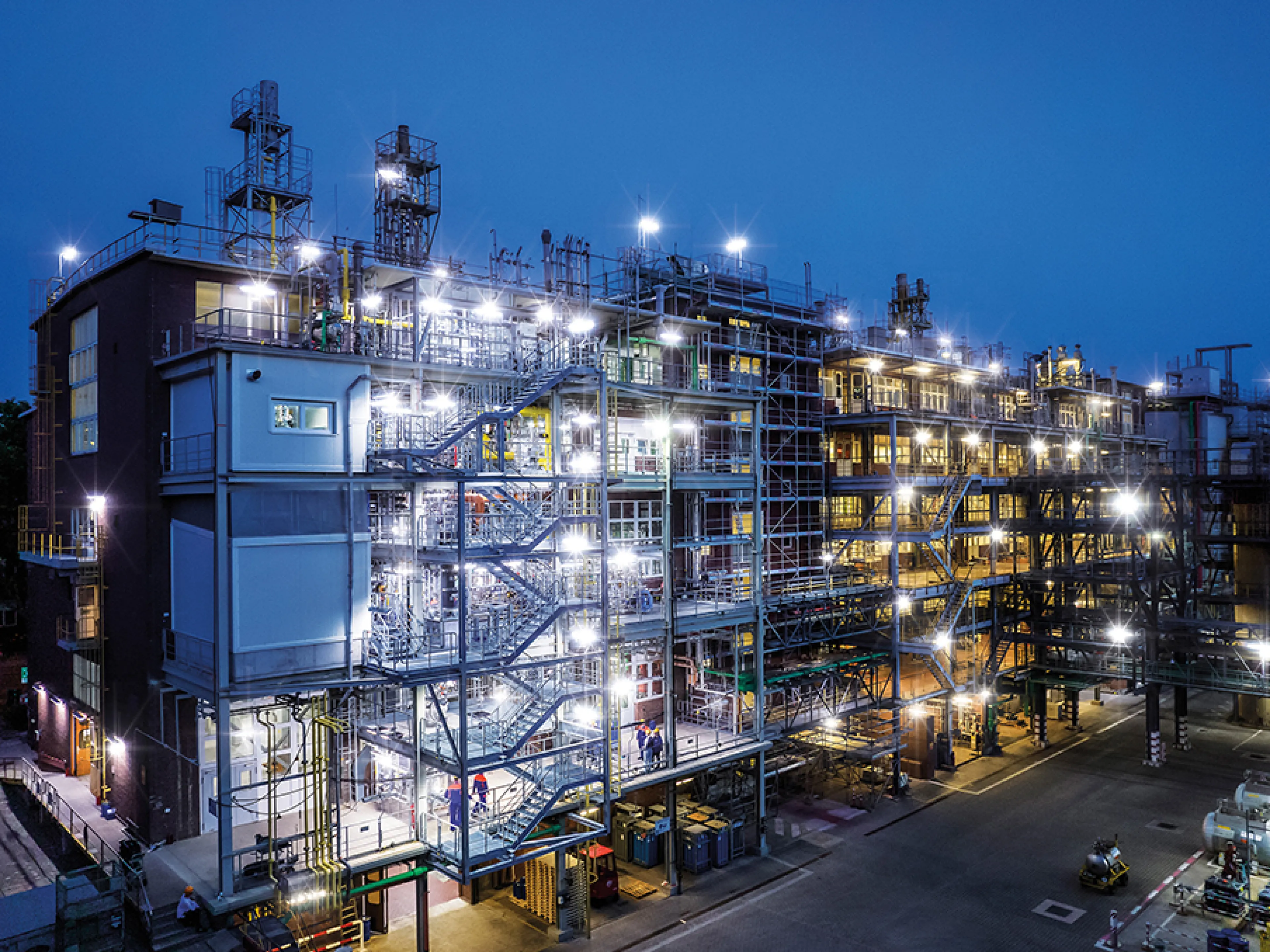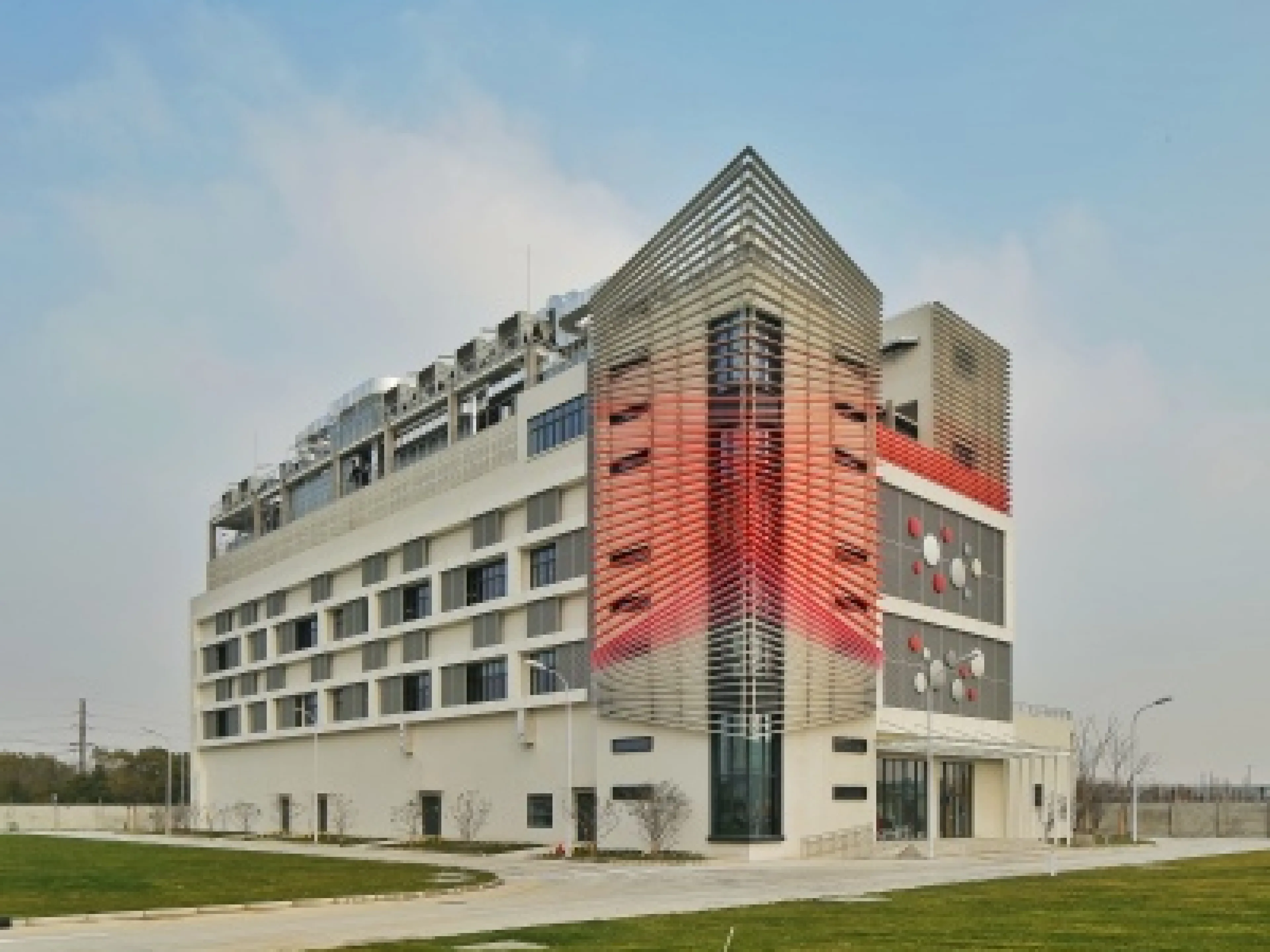

The BASF Group faced considerable pressure in 2025 due to uncertain geopolitical conditions. Volatile markets and currency effects characterized the financial year. “We therefore mainly focused on the things we can control within the framework of our ‘Winning Ways’ strategy,” emphasizes BASF CEO Dr. Markus Kamieth during the presentation of the figures. The focus is on strategic projects and structural adjustments. BASF commissioned key plants at its new Verbund site in Zhanjiang, China, as planned. Ongoing cost-saving programs were accelerated and organizational structures streamlined. The announced portfolio changes were also implemented consistently. Nevertheless, business development fell short of original expectations, particularly in the final quarter.
BASF sales in 2025 and decline in operating business
Group sales in 2025 amounted to €59.7 billion, compared with €61.4 billion in the previous year. Exchange rate effects, including those of the US dollar, the Chinese renminbi and the Brazilian real, had a negative impact on sales development. EBITDA before special items reached €6.6 billion, down €686 million from the previous year. EBITDA was €5.6 billion, compared with €6.2 billion in the year before. Special items totaled minus €936 million and were related to restructuring measures, particularly at the Ludwigshafen site.
The weaker performance of the core segments Chemicals, Industrial Solutions, Materials, and Nutrition & Care had a particularly negative impact. Lower margins and, in some cases, higher fixed costs weighed on profitability. By contrast, individual areas outside the core business performed well. Surface Technologies benefited in particular from improved earnings in the Environmental Catalyst and Metal Solutions (ECMS) segment. Agricultural Solutions also achieved an improvement in earnings thanks to higher contribution margins. EBIT reached €1.6 billion, slightly below the previous year's level. Depreciation and amortization amounted to €4 billion.
Profit rises to €1.6 billion
Earnings after taxes and non-controlling interests, on the other hand, rose to €1.6 billion, up from €1.3 billion in the previous year. The main factor was an improvement in investment income, partly due to net extraordinary income from warranty payments in connection with Wintershall Dea.
BASF reduces debt and increases savings targets
Chief Financial Officer Dirk Elvermann emphasizes the financial stabilization of the company. BASF has reduced its net debt to €18.3 billion by the end of 2025. Further cash inflows from portfolio transactions are to be used in 2026 to further strengthen the balance sheet. The efficiency programs are also having an impact: By the end of 2025, BASF had already achieved annual cost savings of around €1.7 billion, exceeding its original target. By the end of 2026, the savings are expected to rise to €2.3 billion per year. At the same time, management structures have been streamlined. The Group has reduced the number of managers by 11 percent within two years. Overall, the workforce has decreased by around 4,800 employees, not including new hires in China.
Outlook for 2026: BASF expects moderate improvement
For the current year, BASF expects EBITDA before special items to be between €6.2 billion and €7 billion. Significant increases in earnings are expected in the Nutrition & Care and Chemicals segments, while Industrial Solutions is expected to grow slightly. BASF forecasts a somewhat weaker performance for Materials and Agricultural Solutions due to currency effects. Surface Technologies is likely to record a decline after special effects in the previous year.
Higher CO2 emissions expected
BASF expects CO2 emissions to be between 17.2 and 18.2 million tons in 2026. The increase is mainly due to the new site in China. At the same time, the company is focusing on efficiency measures and greater use of renewable energies to limit emissions.