
Why does more research into corrosion protection lead to fewer greenhouse gas emissions? Effective corrosion protection makes an important contribution to reducing greenhouse gas emissions. Preserving metal structures reduces both material requirements and energy-intensive new production. The focus is on interdisciplinary research, as will be intensively promoted at the European Corrosion Congress Eurocorr 2025 in Stavanger, Norway, in September.
Eurocorr 2025: International focus on corrosion protection
From September 7 to 11, 2025, experts from science and industry will meet at Eurocorr 2025. The aim of the event is to exchange the latest findings on corrosion prevention and develop new approaches. The conference is the most important international platform for corrosion science and technology. Dr. Patrick Keil, corrosion protection expert from BASF Coatings, emphasizes: “Protecting metals is an important topic in all areas of the industrial value chain. To minimize damage, for example from rust, we need interdisciplinary collaboration to research and develop new technologies and processes.”
BASF: Corrosion protection through digital research
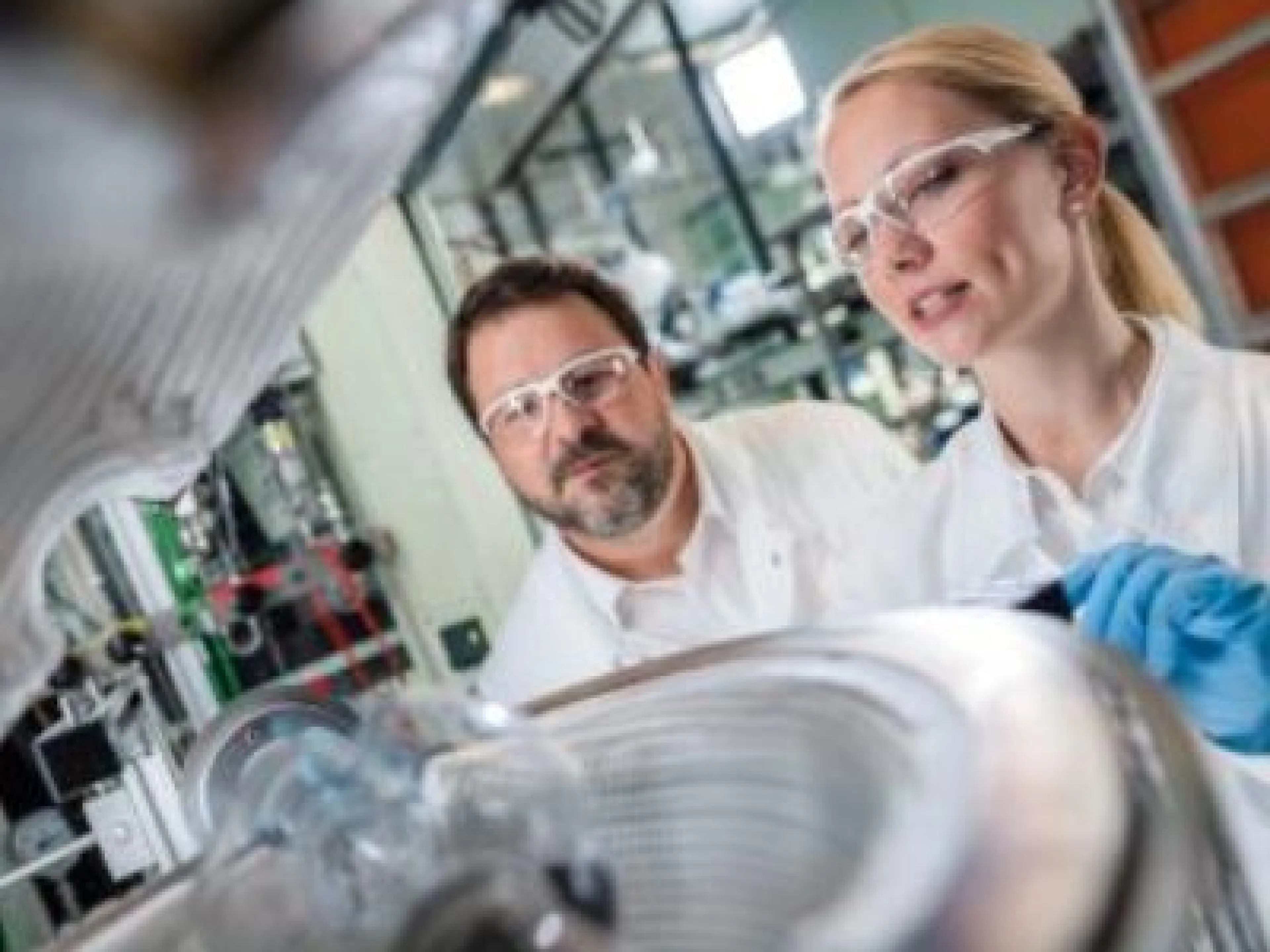
At its site in Münster, BASF is researching innovative technologies for protecting metals. Among other things, Patrick Keil's team is developing special coatings and corrosion inhibitors. These are chemical substances that specifically slow down the corrosion process. They form a passivation layer that reduces contact between metal and corrosive influences such as chloride ions or moisture.
Digitalization improves corrosion protection through inhibitors
The BASF team is increasingly relying on digital methods to develop new active ingredients. Machine learning and artificial intelligence are used to analyze chemical properties and identify potentially effective molecules. These simulations accelerate the research process and enable well-founded predictions about the effectiveness of new compounds.
Corrosion protection with climate relevance
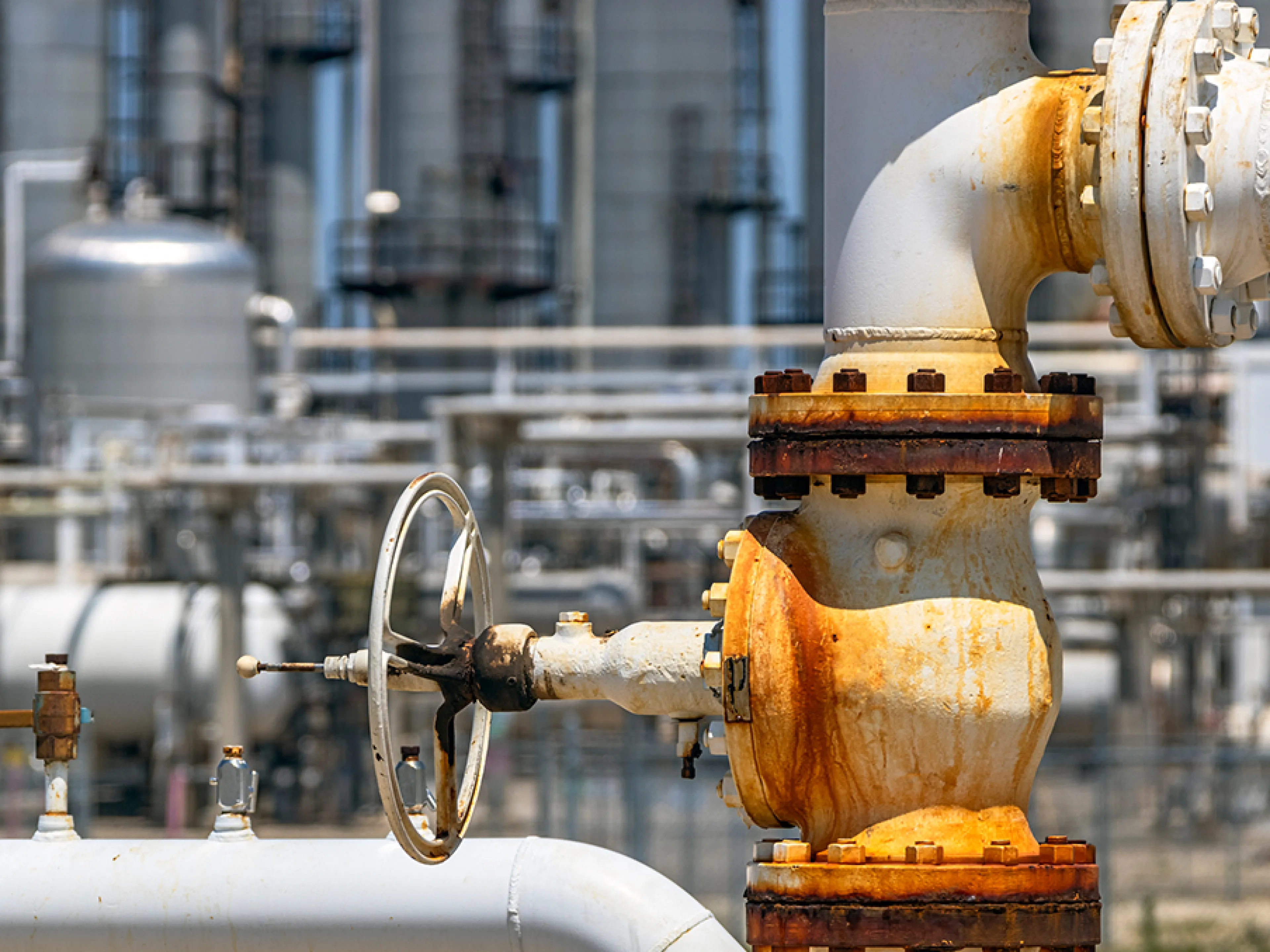
The consequences of corrosion are not only serious in economic terms. According to an impact study by the Association for Materials Protection and Performance, the global costs amount to more than three percent of global gross domestic product. Even more significant, however, is the climate policy aspect: according to estimates, up to one-third of annual steel production is used to replace corroded components. Studies show that this accounts for up to 3.4 percent of global CO2 emissions.
Sustainable protection through better processes
Effective corrosion protection can therefore significantly reduce greenhouse gas emissions. “The costs associated with corrosion are only one part of the problem. Corrosion is also a significant contributor to climate change,” Keil says. The expansion of digitally supported research and greater awareness of the relevance of this topic are considered key drivers for more sustainable industrial processes.