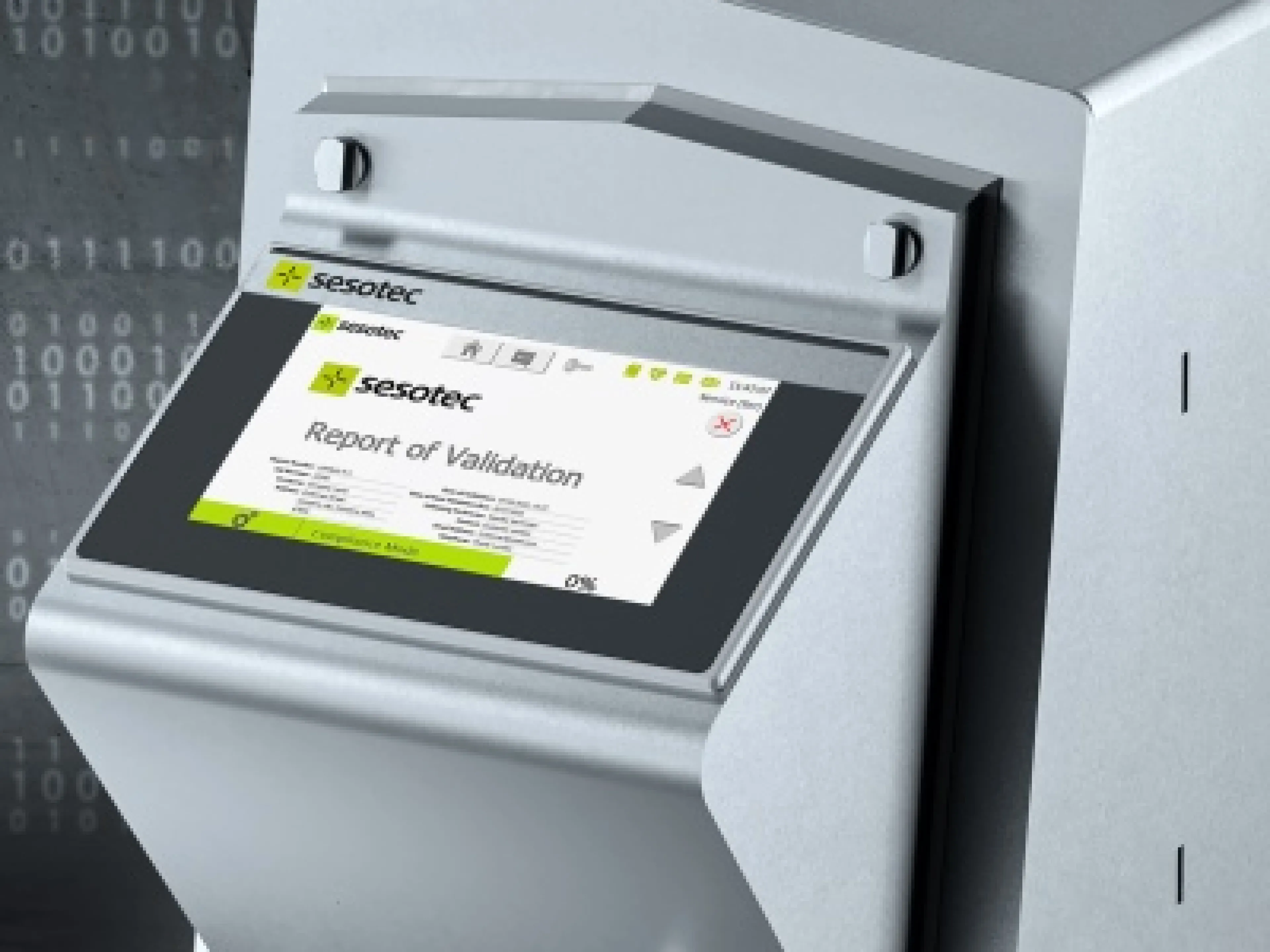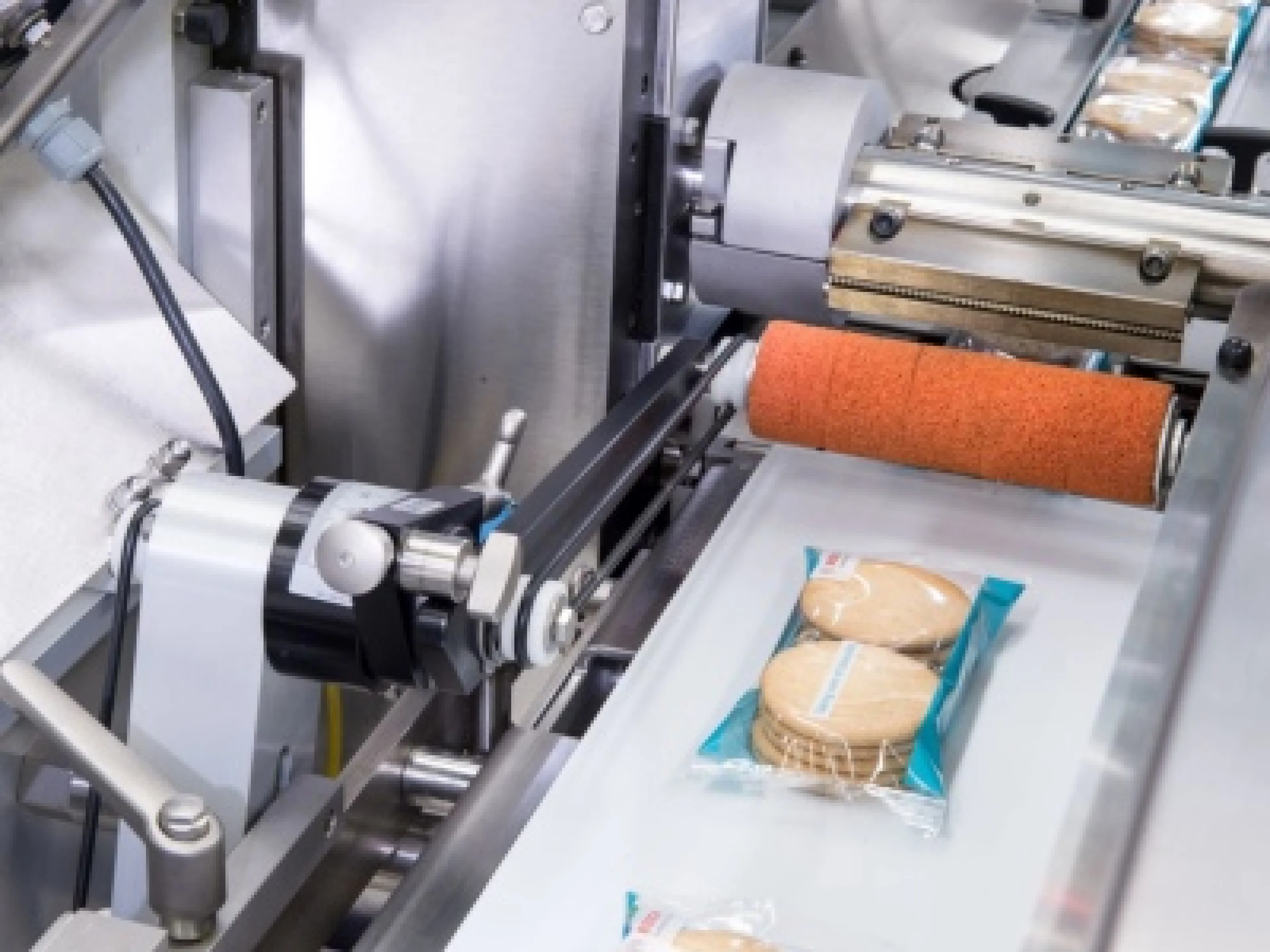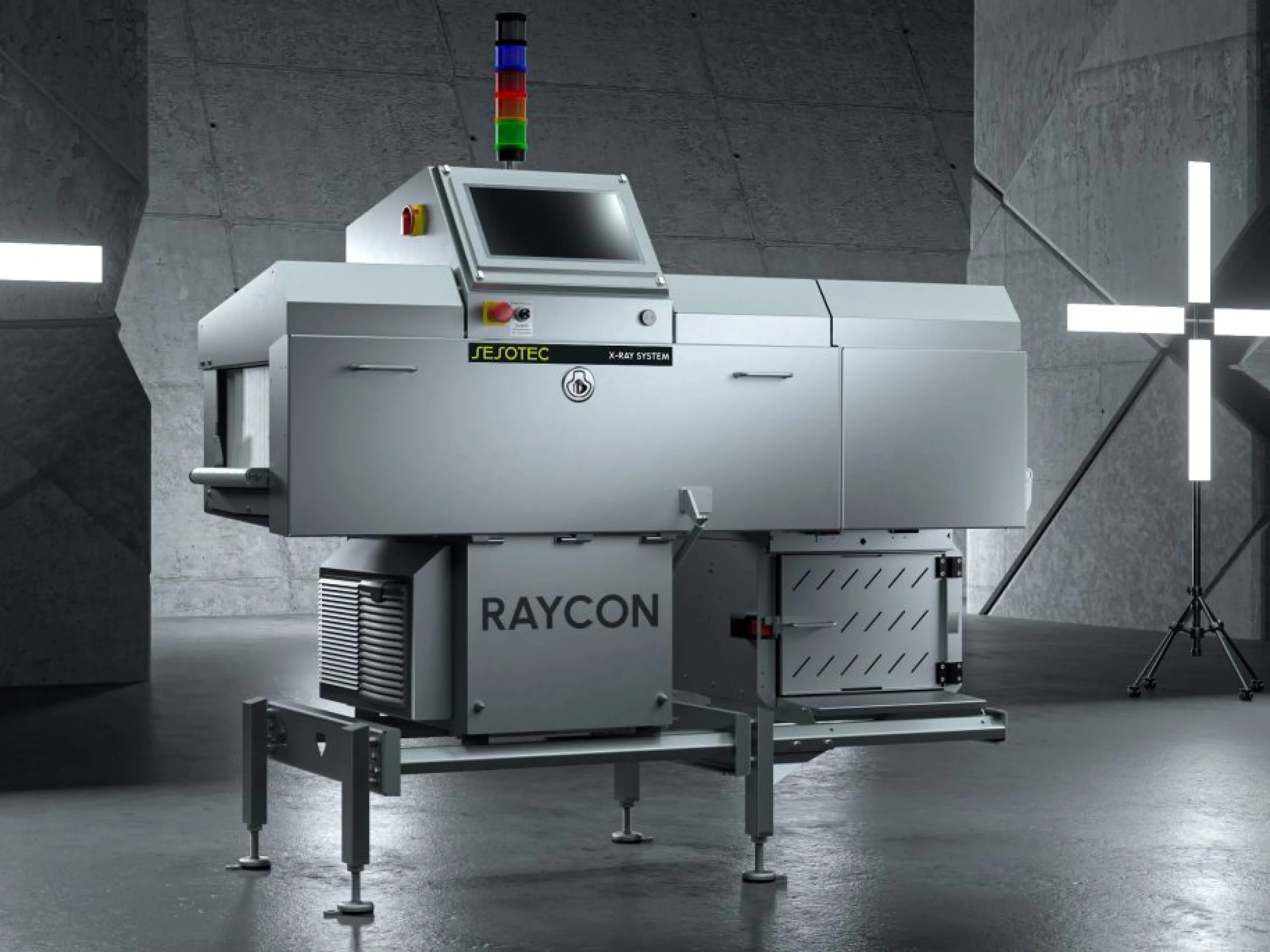

One of the leading manufacturers of fruit preparations in Germany, has leveraged its vast experience, creativity and flexibility for over 50 years to produce semifinished and finished products for the ice cream, baking, dairy, beverage and chocolate industries. These products are sold through food retailers and also to the food service industry. The company’s business units are divided into fruit preparations/purees, fruit in alcohol and fresh convenience products such as fruit salads. Driven by inventiveness, innovation, experience and state-of-the-art production processes, the quality of these first-class products is underscored by numerous renowned certifications such as IFS Food and Bio. To successfully meet food safety standards, the fruit expert uses a validation process that Sesotec has introduced as a service.
Diverse challenges
Naturally, coping with limited resources requires sustainable management and technological innovations. Global competition and stricter regulations, moreover, further increase the pressure to constantly innovate technologically in order to boost productivity and profitability. Laws and regulations, meanwhile, require the use of inspection equipment in food production. Continuously complying with these regulations often creates major challenges for customers, such as dealing with the technology itself, a lack of knowledge about its correct handling and managing standards that vary from country to country. Many customers face the problem of lacking the knowledge of which setting parameters can cause a significant change in product safety and process relevance. A validation process can aid these customers to overcome this challenge and take a successful path towards compliance with food safety standards.
Manufacturer validation as a solution to the challenges
Validation takes place at the beginning of the life cycle of a product inspection system - that is, after initial installation but before release for commercial production. It represents an initial qualification of a device based on the specified functional descriptions. Validation provides evidence that the selected device, when used correctly, is capable of meeting the specified targets in all cases. Such specifications may relate to detection accuracy, but also to other functions such as the correct operation of the ejection device. Manufacturer validation is conducted by a service engineer at the end customer‘s premises. While it may take place at the same time as the commissioning of the equipment, during maintenance or at a special validation appointment, on-site manufacturer validation is targeted to be carried out after commissioning. It takes place when the equipment is already running stably, and specifically addresses the needs and requirements of the customer. The validation certificate issued is unique, because it provides proof of normal distribution and another threshold or checkpoint for daily routine testing. It also serves as proof for the customer of annual maintenance and supports the daily routine tests.
Validation simplifies quality assurance
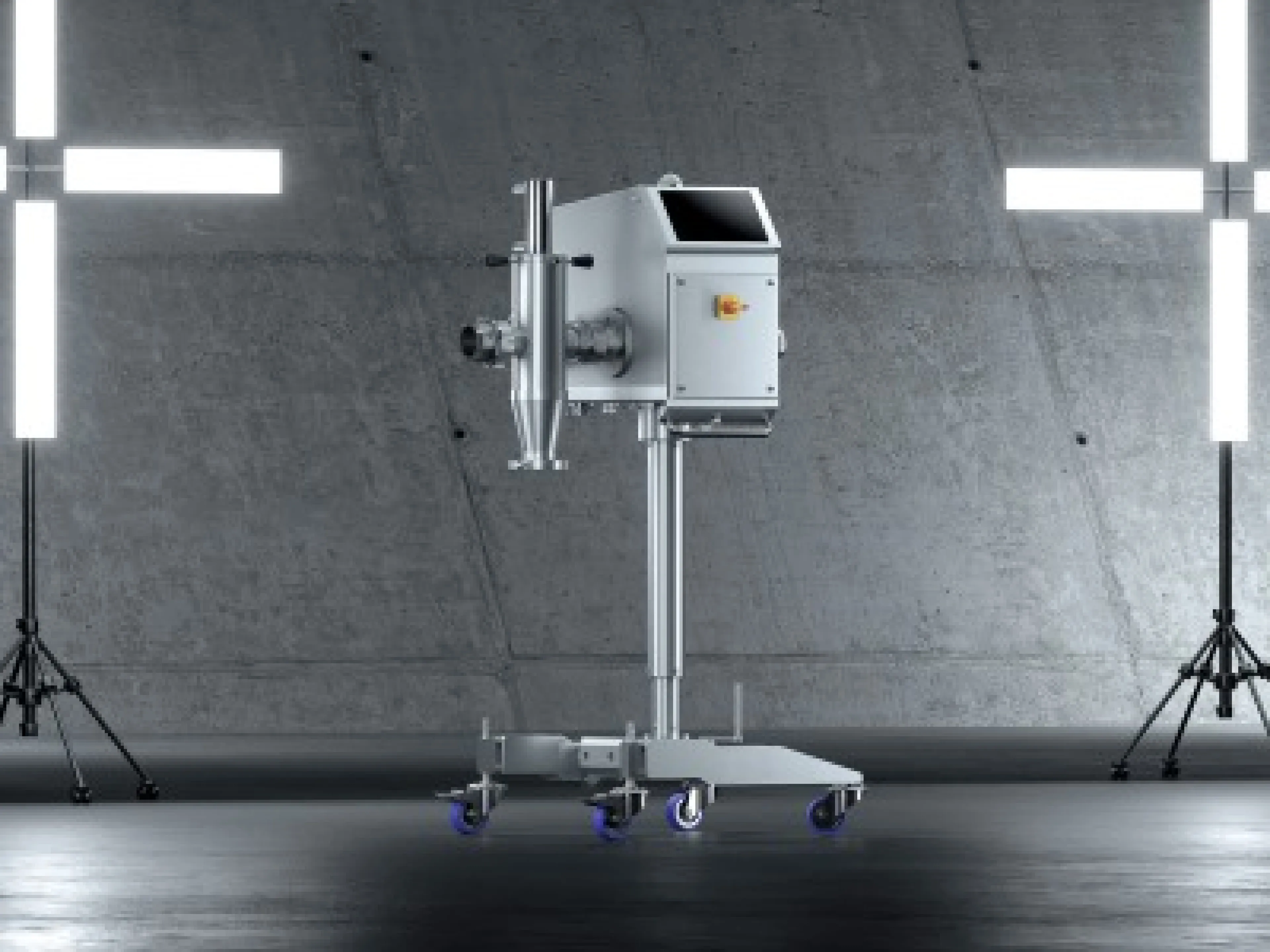
Typically, re-validation must be performed when significant changes are made to a metal detector. However, re-validation can be avoided if, after validation, when a test body is placed on the ground the value no longer falls below the lower limit value. For instance, there would be no need for re-validation if the product angle, the conveyor speed or the sensitivity are changed and it turns out that the specified detection range is maintained. The upper range can be neglected, as a higher detection of the test bodies is advantageous. If a validation certificate is available, re-validations are not necessary. The bottom line is that validation carried out by Sesotec at the fruit expert helps to avoid product waste, conserve resources, and increase productivity and thus profitability.