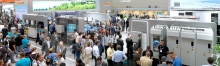

The European market for grid storage is growing at a rapid pace. According to the latest “Solar+ Report” from SolarPower Europe, installed storage capacity in the EU is projected to reach approximately 40 gigawatts by the end of 2025, with a storage capacity of 77 gigawatt-hours. By 2030, capacity could quadruple to 171 gigawatts. This growth is driven by the increasing need for flexibility in the power system, as the expansion of solar and wind energy places growing demands on European grids. The “ees Europe” conference, taking place June 23–25 in Munich, will showcase how storage technologies and regulatory frameworks are evolving.
Grid storage is becoming increasingly critical to Europe’s energy system
As renewable energy expands, the importance of large grid storage systems for the stability of Europe’s electricity supply is growing. According to the “Solar+ Report,” the average storage duration in Europe will increase from the current 1.9 hours to 3.5 hours by 2030. In the future, storage systems are expected to shift electricity over longer periods, thereby balancing out peak loads and facilitating the integration of volatile energy sources. The “Solar+” scenario developed by SolarPower Europe and Rystad Energy shows that the combination of photovoltaics and battery storage could play a central role in achieving European climate goals. According to the scenario, solar power could cover around 26 percent of Europe’s electricity demand in the future, while the share of renewable energy in the electricity mix would rise to just under 70 percent.
Billions in savings through flexible storage technologies
In addition to grid stabilization, grid storage is increasingly seen as an economic factor for Europe as an industrial hub. In the Solar+ scenario, the annual operating costs of the European power system could be cut in half by 2030. This would correspond to savings of around 55 billion euros per year. At the same time, wholesale electricity prices are expected to fall on average across the EU. Storage also prevents high levels of negative electricity prices, thereby improving the economic viability of large-scale solar investments.
Grid storage is also gaining importance geopolitically. According to the report, the EU’s solar expansion saved 8.5 billion euros in gas import costs during the first few months of the recent Middle East crisis alone. By 2030, avoided fossil fuel imports could total 223 billion euros under the Solar+ scenario.
Regulatory uncertainties are holding back investments in grid storage
Despite strong growth, the industry sees regulatory risks. In 2025 alone, new battery storage systems with a capacity of 27.1 gigawatt-hours were installed in the EU. More than half of this was accounted for by large-scale private storage projects. The industry is currently following regulatory discussions in Germany with particular attention. Changes to the grid fee exemption for storage systems are causing uncertainty among investors. More than 150 companies are therefore advocating for reliable long-term framework conditions.
Georg Gallmetzer, CEO of Eco Stor, warns: “With its reservation regarding the protection of legitimate expectations regarding the grid fee exemption within the AgNes process, the Federal Network Agency has effectively led the storage industry into an investment vacuum. The agency must urgently restore investment security and send clear signals regarding legal protection of legitimate expectations as well as a financially viable grid fee model after the statutory exemption period expires. This is to ensure we do not fall into an irreparable storage gap due to a lack of investment.”
“ees Europe” puts grid storage and flexibility in the spotlight
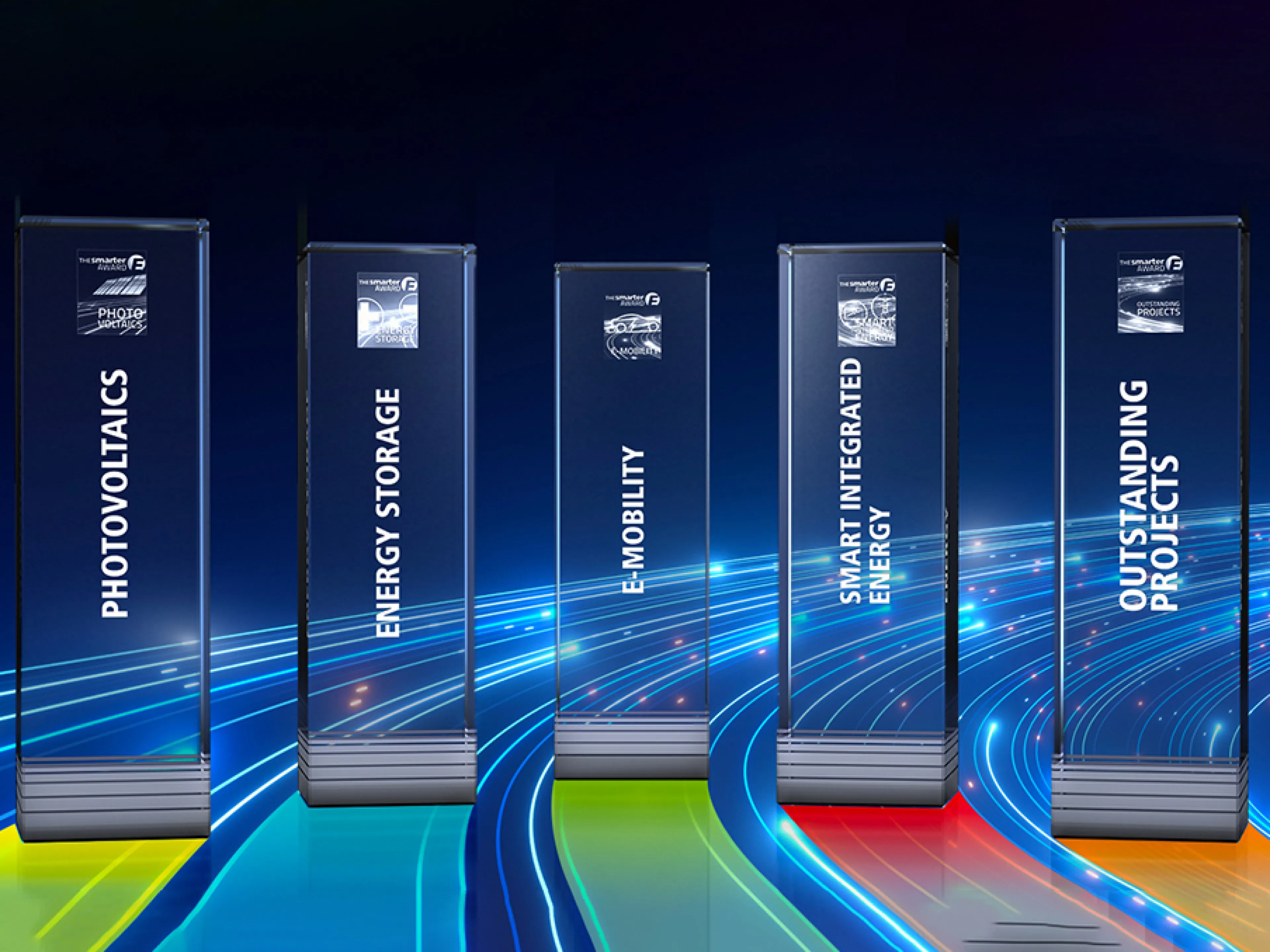
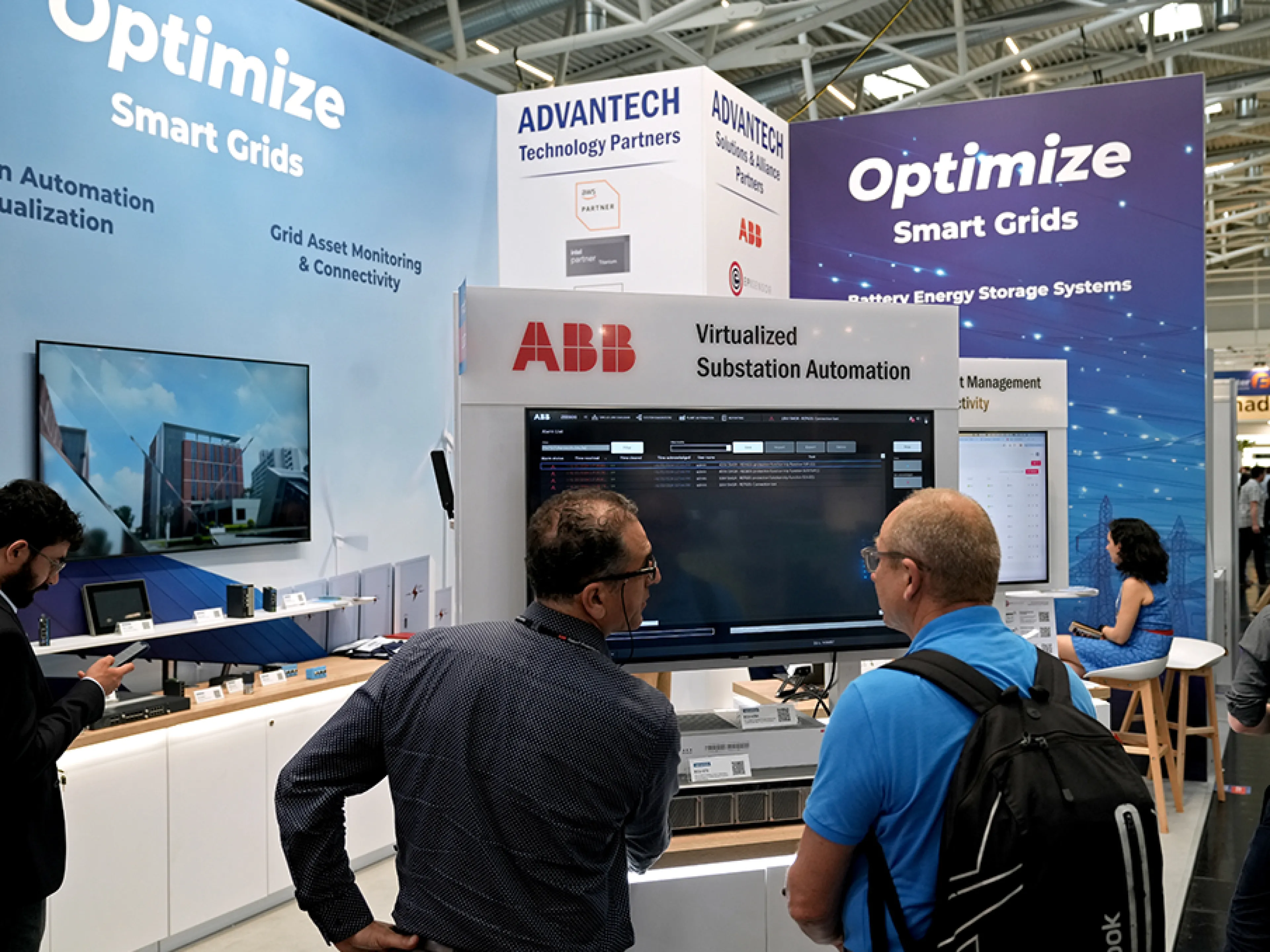
“ees Europe” in Munich demonstrates how the industry is responding to rising storage demand. The trade fair is considered Europe’s largest platform for batteries and energy storage systems and brings together manufacturers, research institutions, and energy companies. Key topics include AI-supported storage management systems, sodium-ion technologies, hybrid power plants, and new concepts for grid tariffs and flexibility markets. In addition, the “ees Europe Conference” will address issues related to financing large-scale storage projects as well as strategies for more resilient European battery production. “ees Europe” will take place alongside the parallel events “Intersolar Europe,” “Power2Drive Europe,” and “EM-Power Europe” as part of “The smarter E Europe” at the Munich Trade Fair Center.