
The expansion of solar energy in Europe is moving forward. According to the think tank Ember, 30 percent of the electricity in the European Union already came from wind and solar energy last year. However, as the share of renewable energy increases, so does the challenge of providing electricity exactly when it is needed. PV hybrid systems, which combine photovoltaics and battery storage at a single grid connection point, are considered a key component of a more flexible energy system. The growing importance of hybrid systems is also reflected in the Intersolar Europe program.
PV hybrid systems make solar power more flexible to use
During periods of high solar irradiance, photovoltaic systems often generate more electricity than is immediately needed. This results in grid congestion, curtailment, and at times even negative electricity prices. PV hybrid systems make it possible to temporarily store excess energy and feed it back into the grid when demand is higher. This helps balance out peak loads, relieve strain on the grid, and better align the use of renewable energy with actual consumption. Furthermore, combined solar and storage projects open up new opportunities for operators, investors, and project developers. The combination of generation and storage improves economic efficiency and makes it easier to plan systems.
European energy supply faces new challenges
Despite the expansion of renewable energy, fossil fuels continue to play an important role. According to Ember, 29 percent of the electricity in the European Union was still generated from fossil fuels in 2025. At the same time, electricity demand is rising due to electric mobility, heat pumps, digitalization, and artificial intelligence applications. According to estimates by Solarpower Europe, electricity demand in the European Union will rise to 3,000 terawatt-hours by 2030. This also increases the need for flexible solutions that better align generation and consumption.
Europe Is driving the expansion of PV-hybrid systems
Several European countries are already relying on the combination of photovoltaics and battery storage. The United Kingdom is considered a pioneer in this field. There, policymakers support such projects through incentive programs and expedited permitting processes. Among the well-known projects is the Cleve Hill facility, which combines a 373-megawatt solar farm with a 150-megawatt battery storage system. Similar projects are also emerging in Germany. At the Gundelsheim Energy Park in the Heilbronn district, a solar farm, battery storage, and wind power are being integrated. The goal is to balance out fluctuations in electricity generation and better align power feed-in with the needs of the power grid. In addition to Germany and the United Kingdom, Italy, Spain, and other Central European countries are also promoting hybrid photovoltaic and storage projects.
Intersolar Europe puts spotlight on PV-hybrid systems
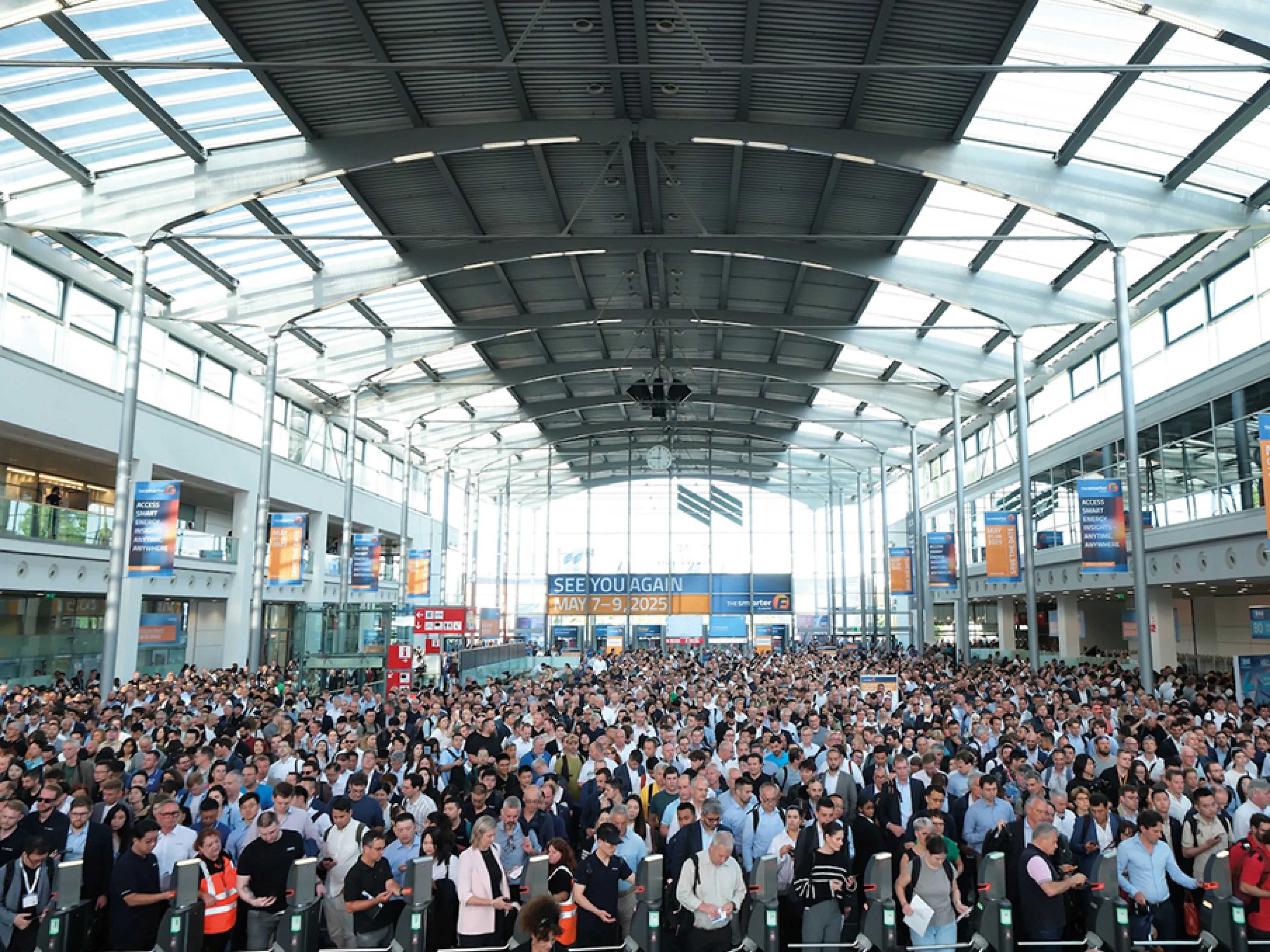
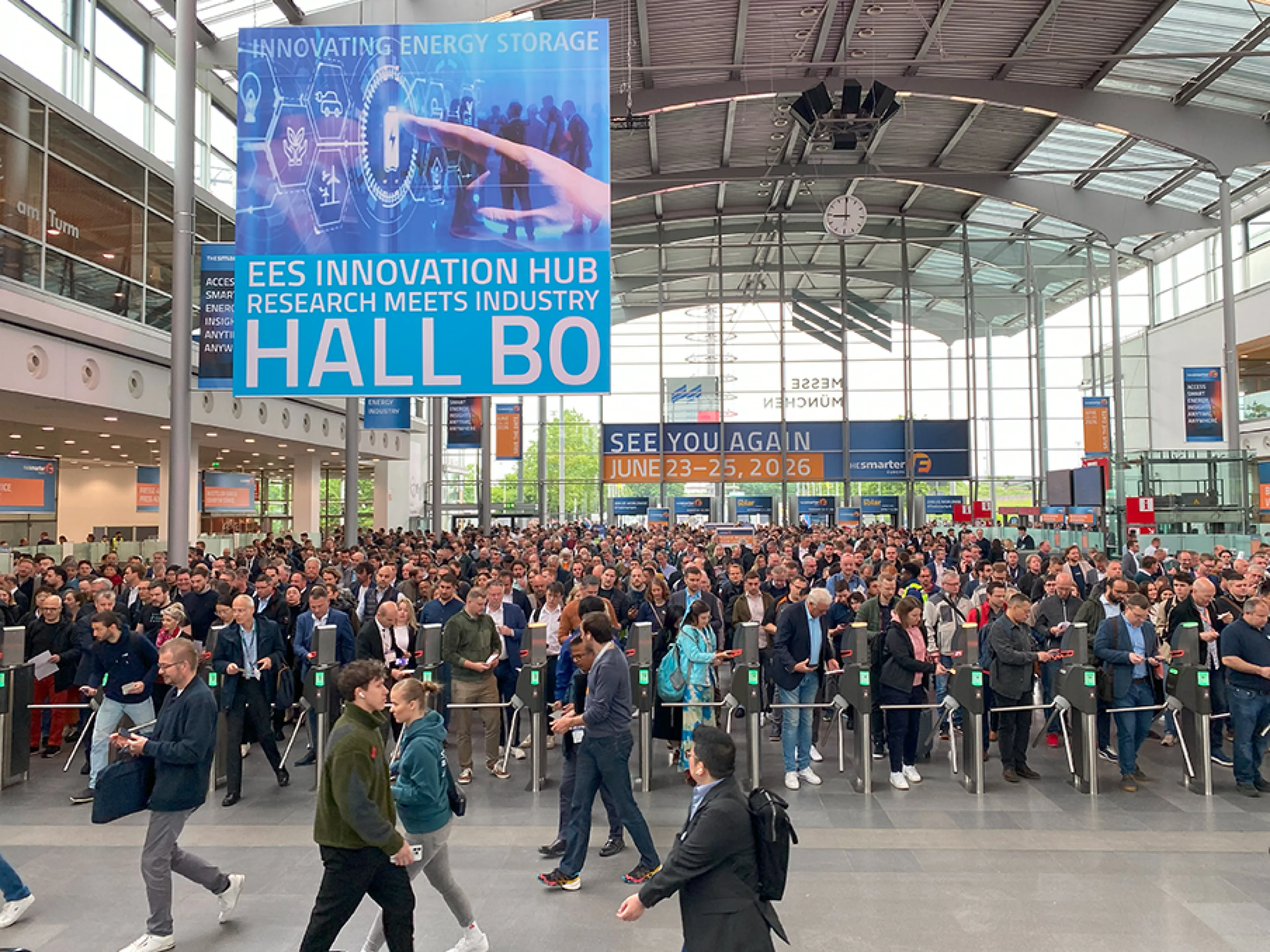
At the Intersolar Europe Conference on June 22, 2026, experts will discuss how integrated solar and storage systems can contribute to grid stability and prevent bottlenecks. Additional real-world examples will be the focus of a session organized by SolarPower Europe and the “Battery Storage Europe Platform” on June 24, 2026. There, project developers will report on their experiences with hybrid systems and how they contribute to making the energy system more flexible. Intersolar Europe will take place in Munich from June 23 to 25, 2026. It is part of “The smarter E Europe,” a trade show alliance for the energy industry featuring approximately 2,800 exhibitors and more than 100,000 trade visitors.