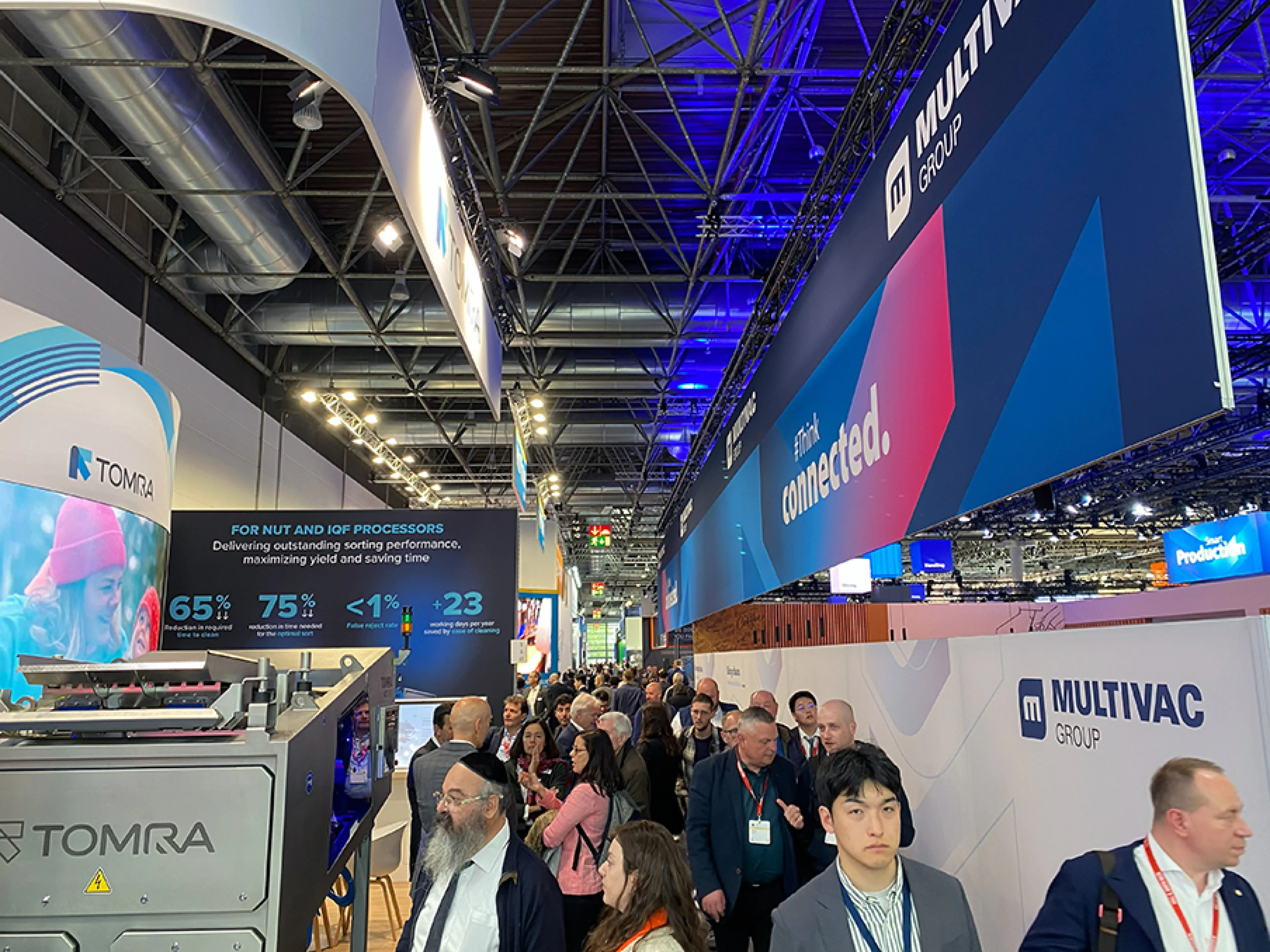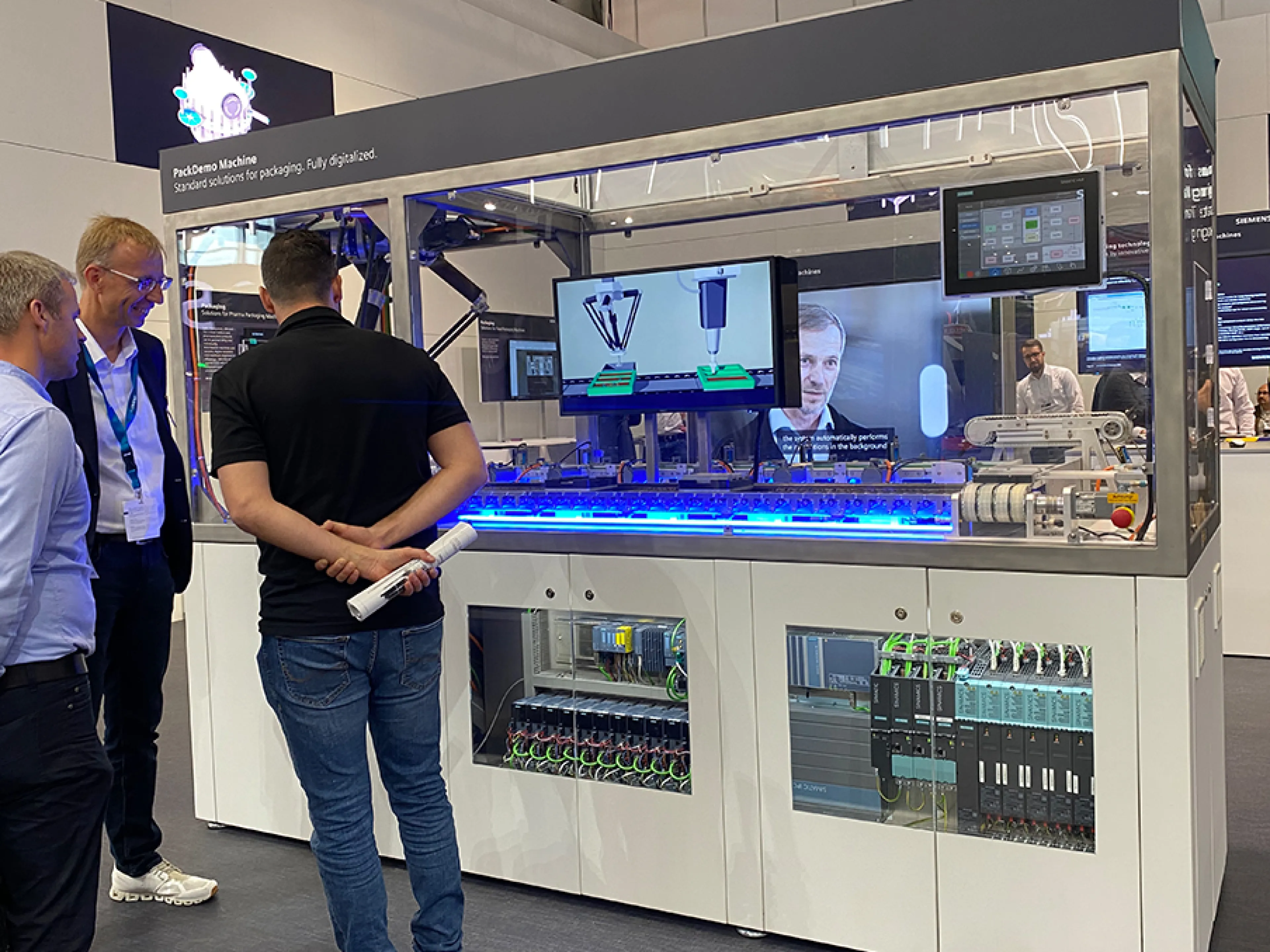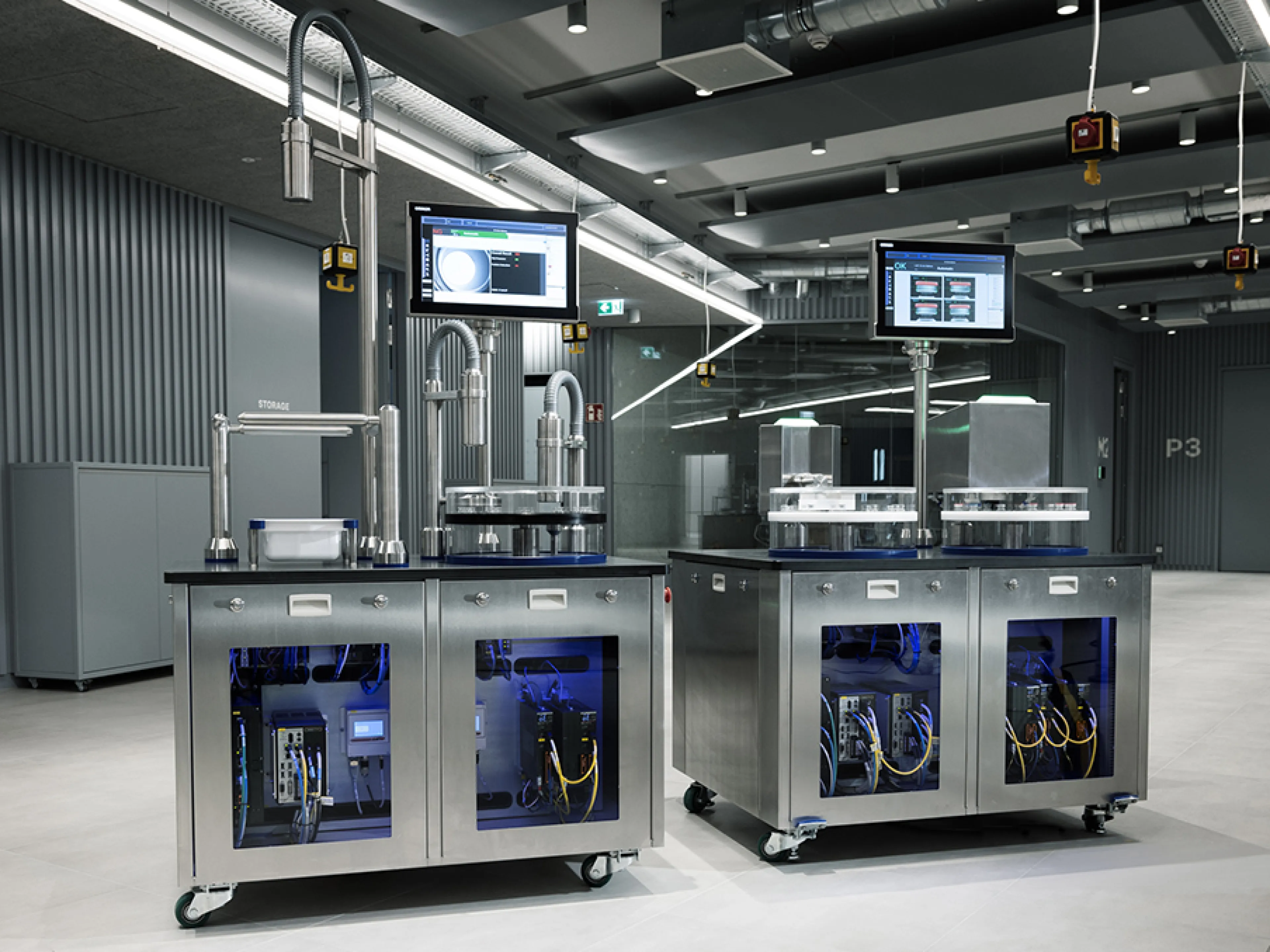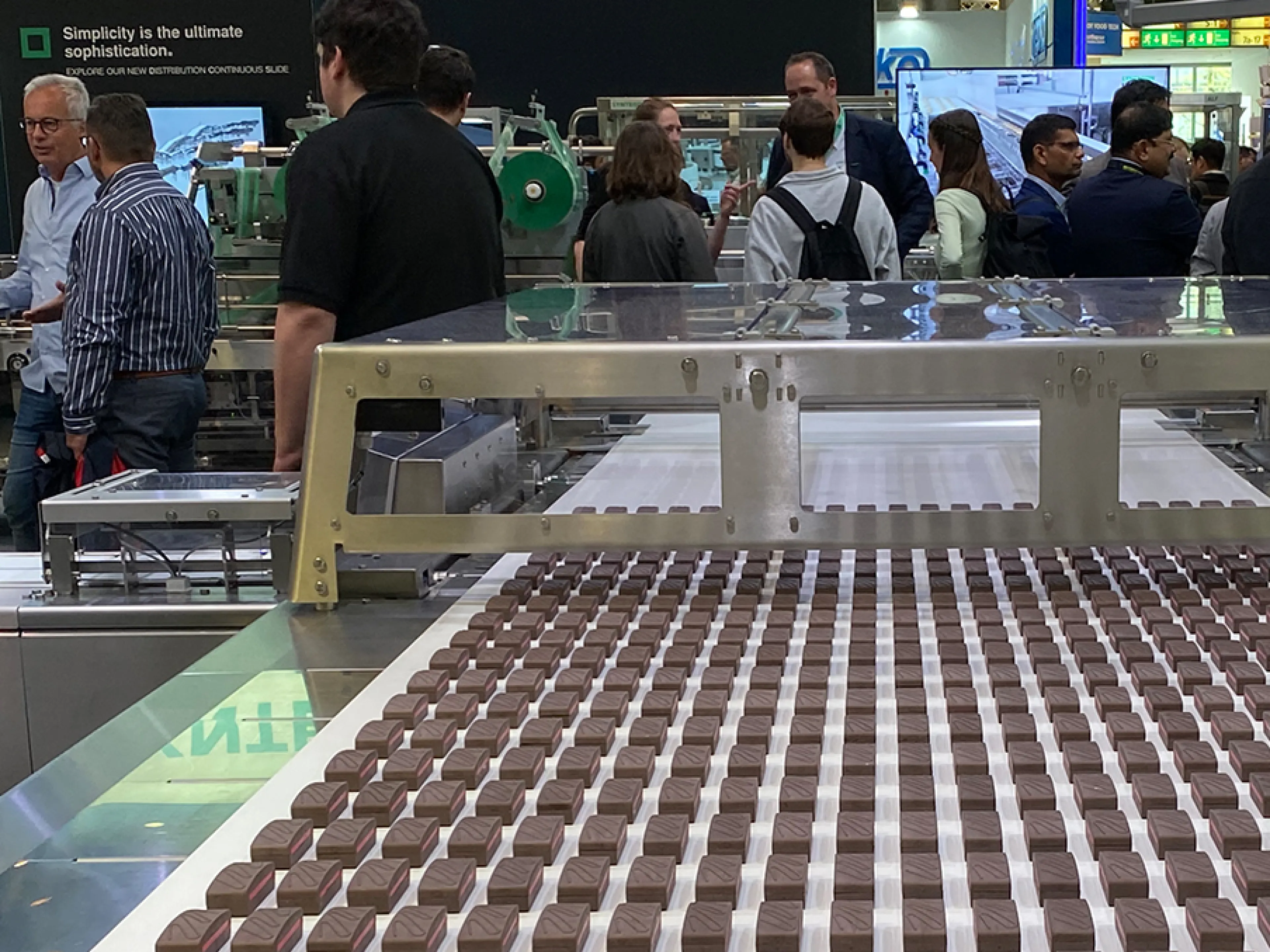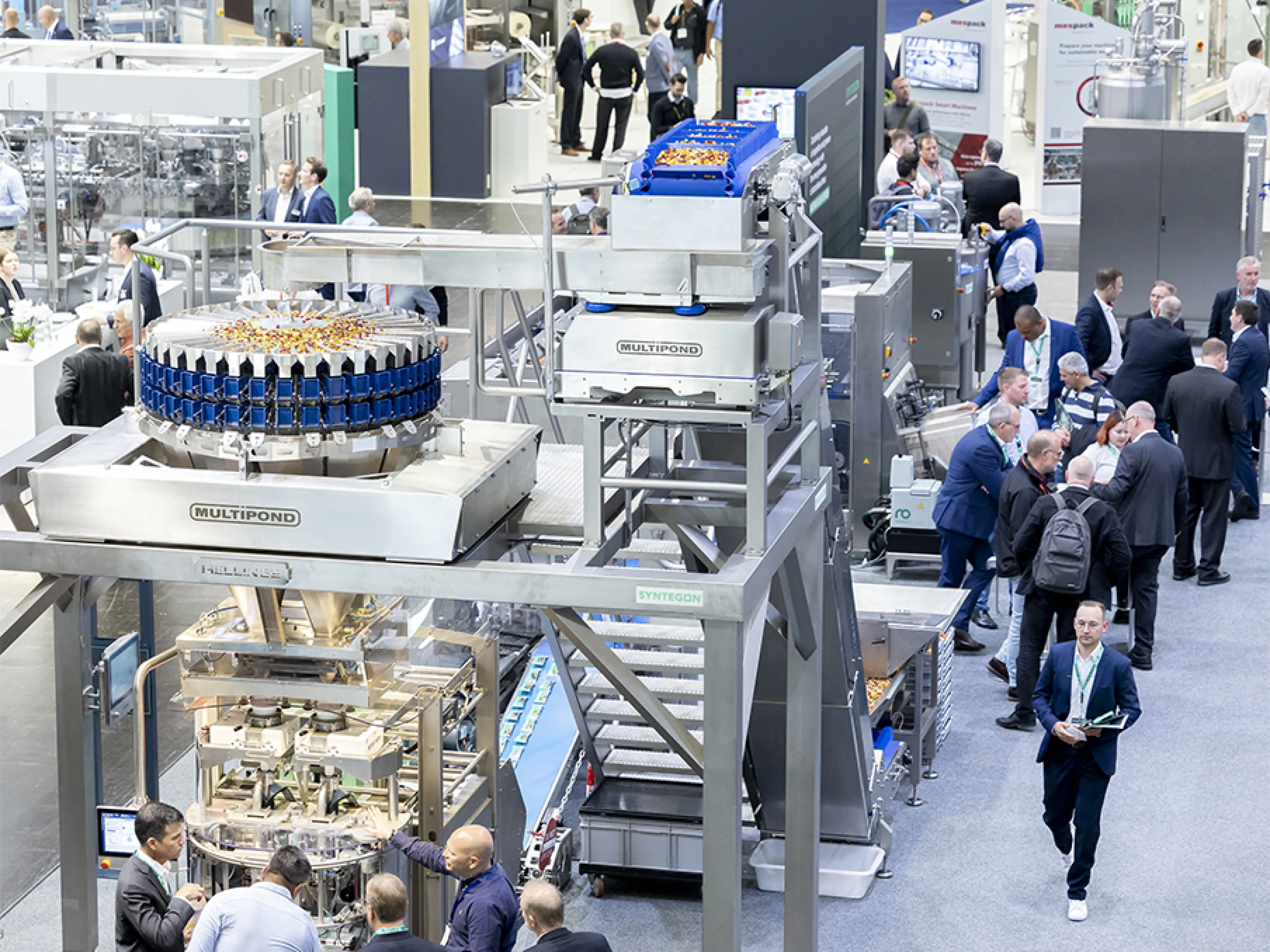

Food packaging today faces complex requirements: it must reliably protect products while saving material, be recyclable, and meet strict regulatory requirements. This is because, especially in the food sector, packaging plays a decisive role in determining shelf life, hygiene, transportability, and product safety. Modern food packaging thus makes an important contribution to reducing food losses along the entire value chain. International exhibitors at Interpack in Düsseldorf from May 7 to 13, 2026, will showcase innovative, recyclable, and automated food packaging solutions.
According to the UN Environment Programme (UNEP) Food Waste Index Report 2024, around 1.05 billion tons of food are wasted worldwide every year. These losses not only cause economic damage, but are also responsible for eight to ten percent of global greenhouse gas emissions. Initiatives such as “SAVE FOOD,” which were launched by Interpack in collaboration with industry partners, have raised awareness of these issues. Today, the focus is on concrete technological solutions for sustainable food packaging.
Recyclable food packaging in the regulatory spotlight
The new EU Packaging Regulation (PPWR) significantly increases the requirements for recycling rates, the use of recycled materials, and waste prevention. The use of recycled materials in direct contact with food is considered particularly challenging. The first European recycling plant recently received Recyclass certification for sorting food-grade plastics. Swedish Plastic Recycling processes PET bottles, PET trays, and PS packaging from household waste in a fully traceable manner, from collection to processing. The CRISP research project is also working on solutions for food-grade recycling of PE and PP.
Material manufacturers are also responding: WIS Kunststoffe offers rPE and rPP materials with FDA approval for direct food contact. These already meet the PPWR requirements for 2030. Mopack is pursuing a chemical recycling approach with its “eco+35” series. The polyolefin fine shrink films contain 35 percent chemically recycled PCR material and are characterized by high homogeneity, clear optics, and stable processing. Dekra approval for direct food contact has been available for this since March 2025.
New packaging concepts for sustainable food packaging
Sustainability in food packaging begins not only with the material, but also with the design. Gea presents a multi-chamber packaging for cold cuts with two separately sealed freshness chambers. The concept allows for portion-by-portion opening and reduces plastic consumption by more than 70 percent compared to classic blister solutions. Production takes place on a fully automated line. Ulma Packaging develops flowpack and tray sealer systems for recyclable mono-materials as well as paper and cardboard-based trays. The high-performance vertical machine “VTC 800,” for example, processes cut salads and vegetable mixes automatically and in a material-efficient manner. Multivac combines sustainable packaging solutions with automation: A new tray sealer line seals cardboard trays with thin, recyclable film under a protective atmosphere. AI-supported inspection systems, label checks, and cobots for automatic stacking are also used.
Higher hygiene requirements drive automation
With increasing product diversity and higher hygiene requirements, automation is becoming increasingly important. Stäubli Robotics offers HE (Humid Environment) robots that work reliably even under demanding conditions. In meat processing, for example, “TX2” robots perform cutting processes using water jets. Vision systems also enable precise, high-speed handling of sensitive products. Ishida has expanded its portfolio with the acquisition of Robotgrader. The range includes robot-assisted weighing, sorting, and packaging systems for meat, poultry, fish, and protein products. The aim is to achieve precise and automated packaging of fresh produce in trays.
Paper-based food packaging and fiber-based barriers
In addition to plastic solutions, paper- and fiber-based food packaging is gaining in importance. Sappi Europe has developed two recyclable high-barrier papers with oxygen, grease, and water vapor barriers for direct food contact. These were designed for flow wraps, sachets, pillow bags, and doy packs or cold seal applications. UPM Specialty Papers and Royal Vaassen are replacing aluminum laminates with fiber-based barrier papers for coffee, broth, or chocolate. UPM Solide Lucent serves as the substrate material. In addition, UPM is testing new fiber composite can formats for chips, tea, and powdered beverages. Heidelberg, in collaboration with Solenis, has integrated barrier coatings into the roll flexographic printing process with Boardmaster. The coating is applied directly during the printing process with precise registration and material efficiency.
Sustainable adhesives as a building block of modern food packaging
Adhesives also play a role in the sustainability of food packaging. Jowat reduces energy consumption in carton sealing with energy-efficient hot melt adhesives. A “Jowatherm” adhesive with a low melting temperature is suitable for temperature-sensitive products such as chocolate, while other variants have been developed for frozen food applications such as pizza or ice cream packaging. A bio-based “Jowatherm” alternative made from paper manufacturing by-products is also available.