
China is placing AI robotics at the center of its industrial policy. With its 15th Five-Year Plan, the People’s Republic aims to integrate artificial intelligence more deeply into physical applications. Robotics is to be established as a key growth driver. In doing so, the country is consistently pursuing its path toward automation and further expanding its position as the world’s leading market for industrial robots.
AI robotics as a strategic lever in China
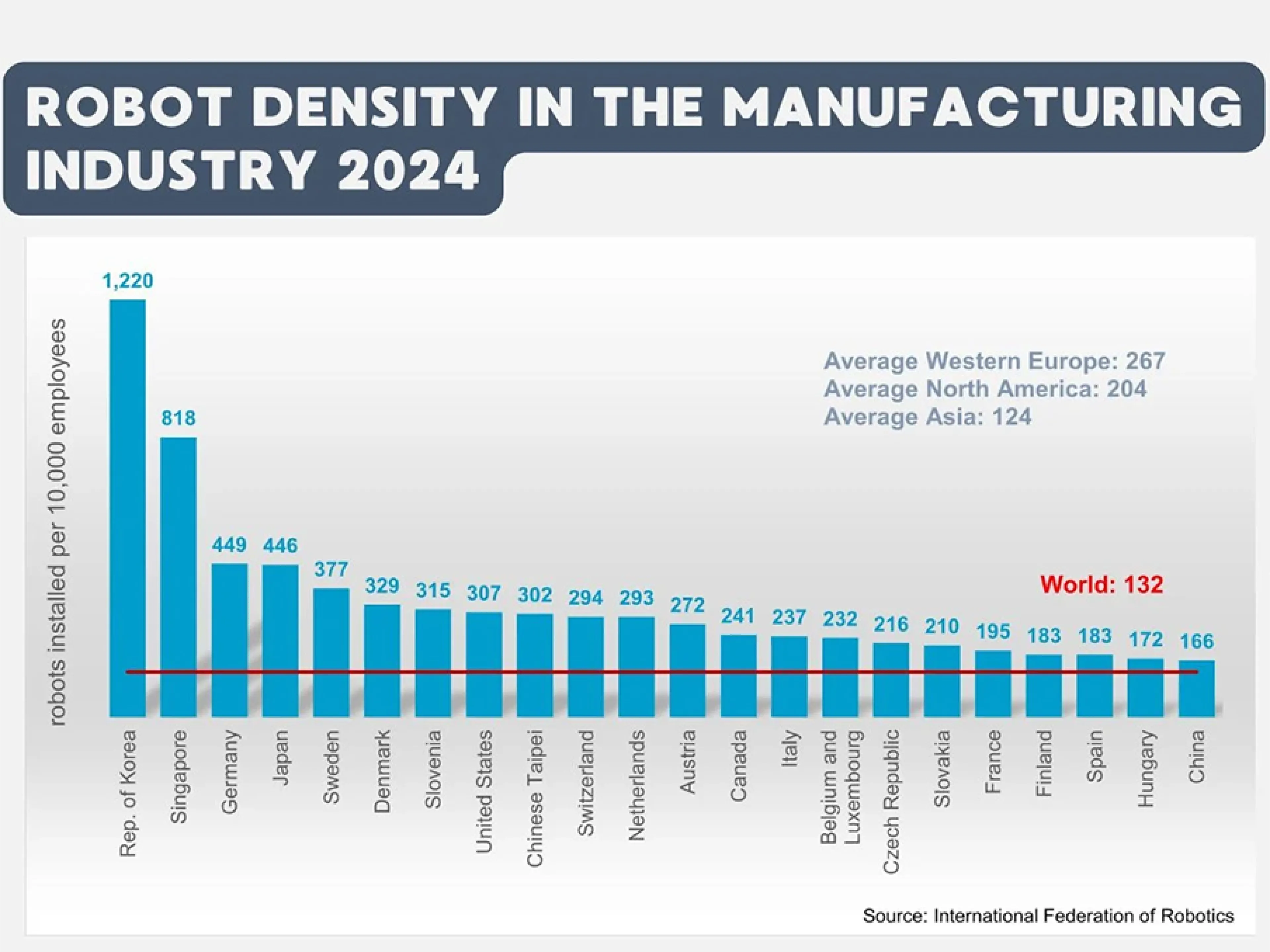
Current market data highlights the importance of AI robotics. For example, the Chinese manufacturing industry has an operational fleet of around two million industrial robots. This is around 4.5 times larger than Japan's fleet, the second largest in the world. Furthermore, China accounts for 54 per cent of the industrial robots installed worldwide each year. These figures are taken from the 'World Robotics 2025' report by the International Federation of Robotics.
Takayuki Ito, President of the International Federation of Robotics, explains: “The outline of the 15th Five-Year Plan of the People’s Republic of China acts as the primary framework document that sets the overarching direction for all other government actions. Thousands of subordinate sectoral and regional plans are now mandated to align with the objectives. Under the new framework, China is shifting its focus from traditional industrial automation to high-end, intelligent robotics integrated with artificial intelligence.”
Robotics and humanoid systems compared
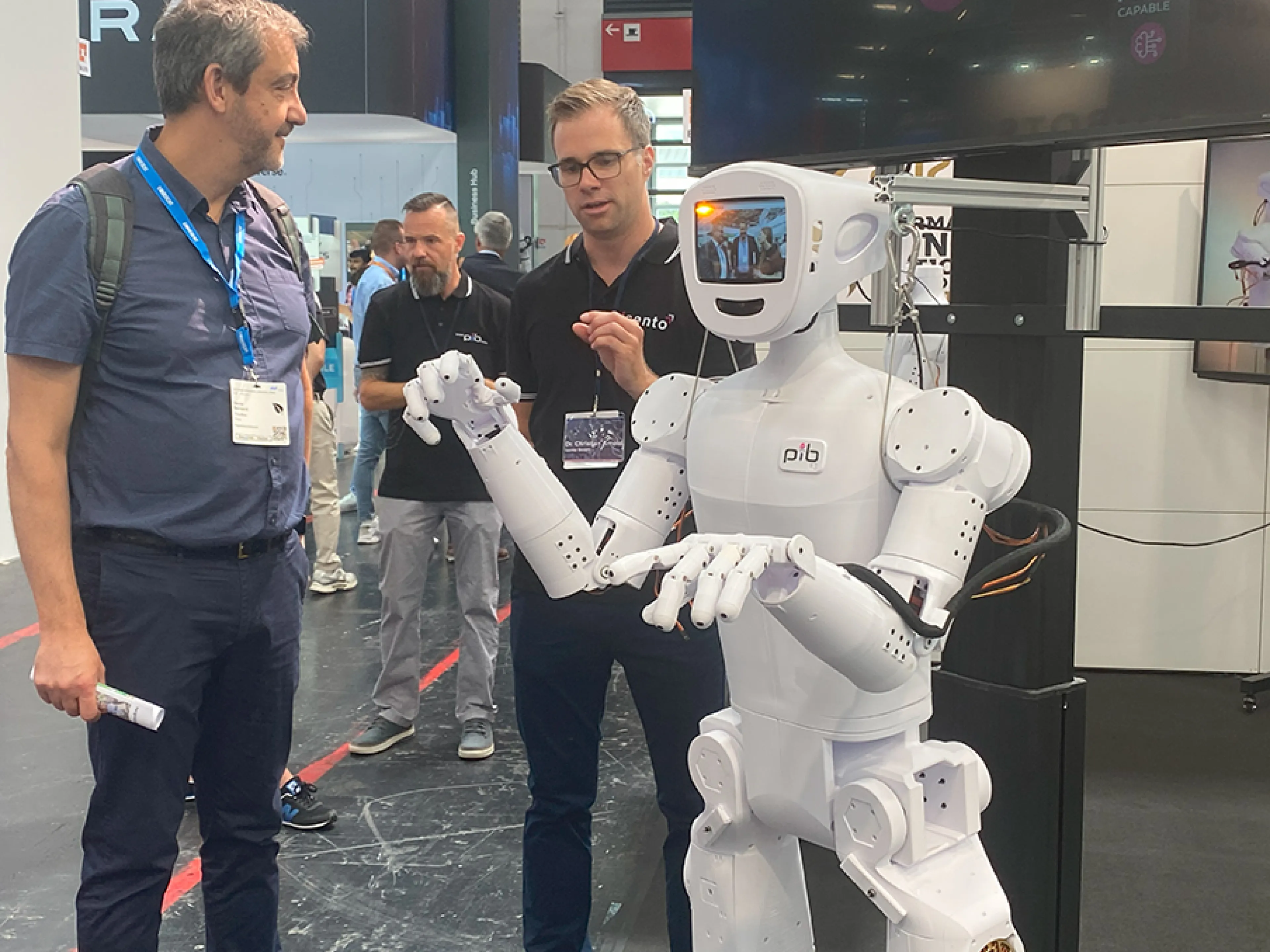
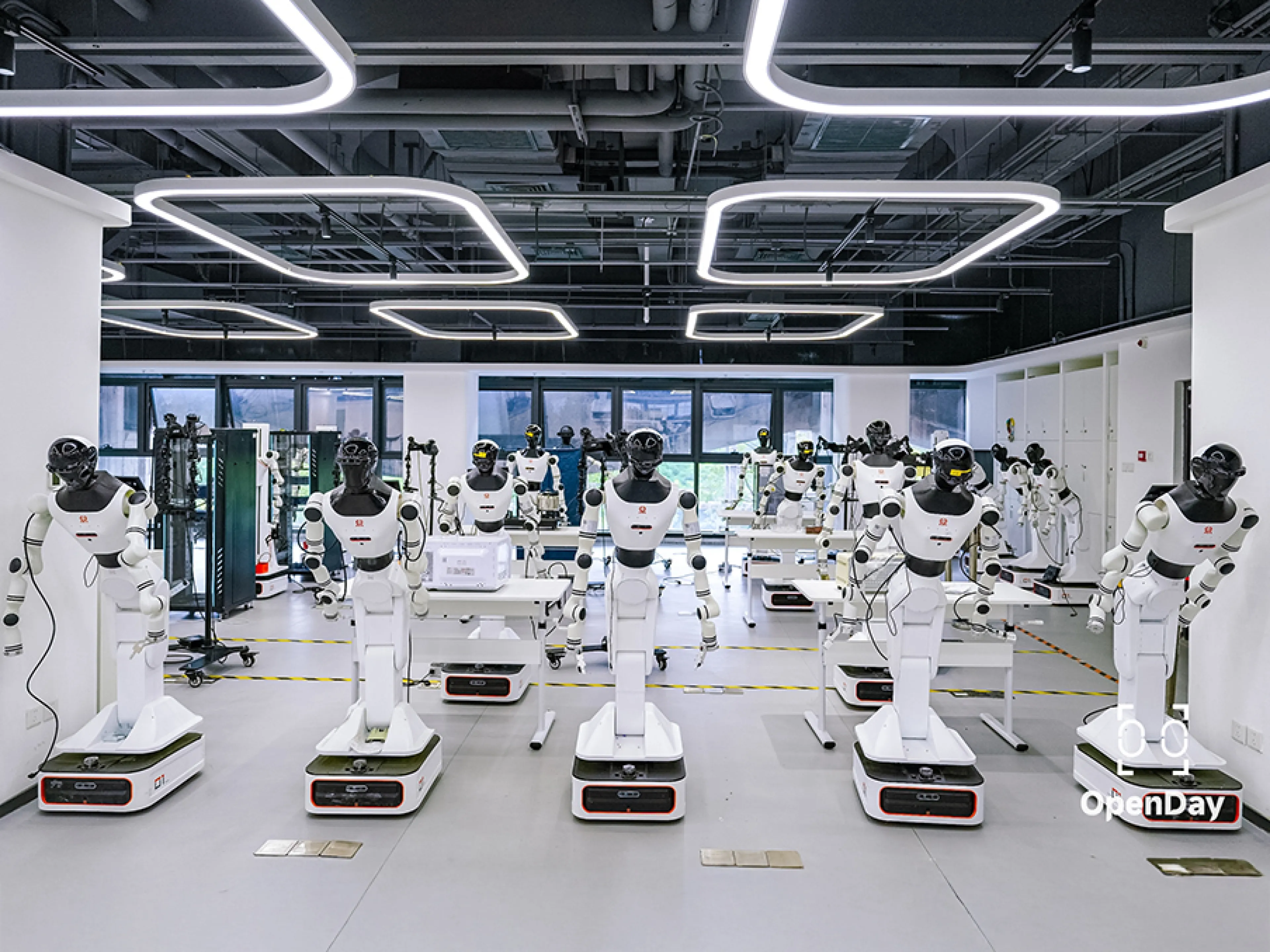
In the context of AI robotics, China is increasingly focusing on so-called “embodied intelligence,” that is, the integration of artificial intelligence with physical systems. The country demonstrates its progress with humanoid robots in high-profile ways, such as at major events or competitions. For industrial applications, however, humanoid systems are currently of only limited relevance. Their capabilities are often restricted to demonstration and pilot projects. Furthermore, the platform and artificial intelligence are often developed separately.
In comparison, traditional industrial robots continue to hold a clear advantage. They are designed for specific tasks, feature less complex mechanics, and enable stable, fast, and precise processes. Especially in industrial manufacturing, where repeatability and cycle times are critical, they remain the backbone of production.
AI robotics in industrial practice
While humanoid robots could open up additional fields of application in the long term, the short-term focus of AI robotics is on the further development of existing industrial robots. The integration of artificial intelligence into established automation solutions is considered a realistic development path. Widespread adoption of AI in industrial robotics is expected within the next five to ten years. In contrast, the current five-year plan does not anticipate the commercialization of humanoid robots until toward the end of the planning period.
Domestic market drives development of AI robotics
A key driver for the development of AI robotics is the Chinese domestic market. At the same time, domestic manufacturers are increasingly gaining market share. Their share of industrial robot installations rose from 30 percent in 2020 to 57 percent in 2024. This trend is particularly evident in certain sectors. For example, China accounts for 64 percent of industrial robots installed worldwide in the electronics industry. In the metal and mechanical engineering industries, Chinese suppliers hold an 85 percent share in the domestic market.