
Corrosion is one of the greatest risks to industrial plants, piping, and vessels. Damage often develops gradually, goes undetected for long periods, and, in worst-case scenarios, leads to high costs, production downtime, or safety-critical situations. Corrosion protection is therefore becoming increasingly important, particularly in the chemical, pharmaceutical, and food industries. Materials testing laboratories help companies identify corrosion risks early on and implement appropriate countermeasures, ranging from durability testing and corrosion monitoring to hydrogen testing and damage analysis.
Why corrosion protection is becoming increasingly important in industrial plants
Corrosion is far more than just a cosmetic defect. The gradual degradation of materials through chemical or electrochemical reactions can jeopardize the integrity of entire systems. Material loss, unplanned downtime, and high repair costs are often the result. Corrosion is particularly critical in safety-relevant areas such as pressure vessels, piping systems, or gas networks. There, leaks, ruptures, or, in the worst case, explosions can occur. At the same time, many corrosion processes initially go unnoticed, such as in internal piping or intergranular corrosion. As regulatory requirements increase, for example regarding the handling of water-polluting substances or new energy sources like hydrogen, the need for systematic corrosion protection also grows.
Material testing as the foundation for safe facilities
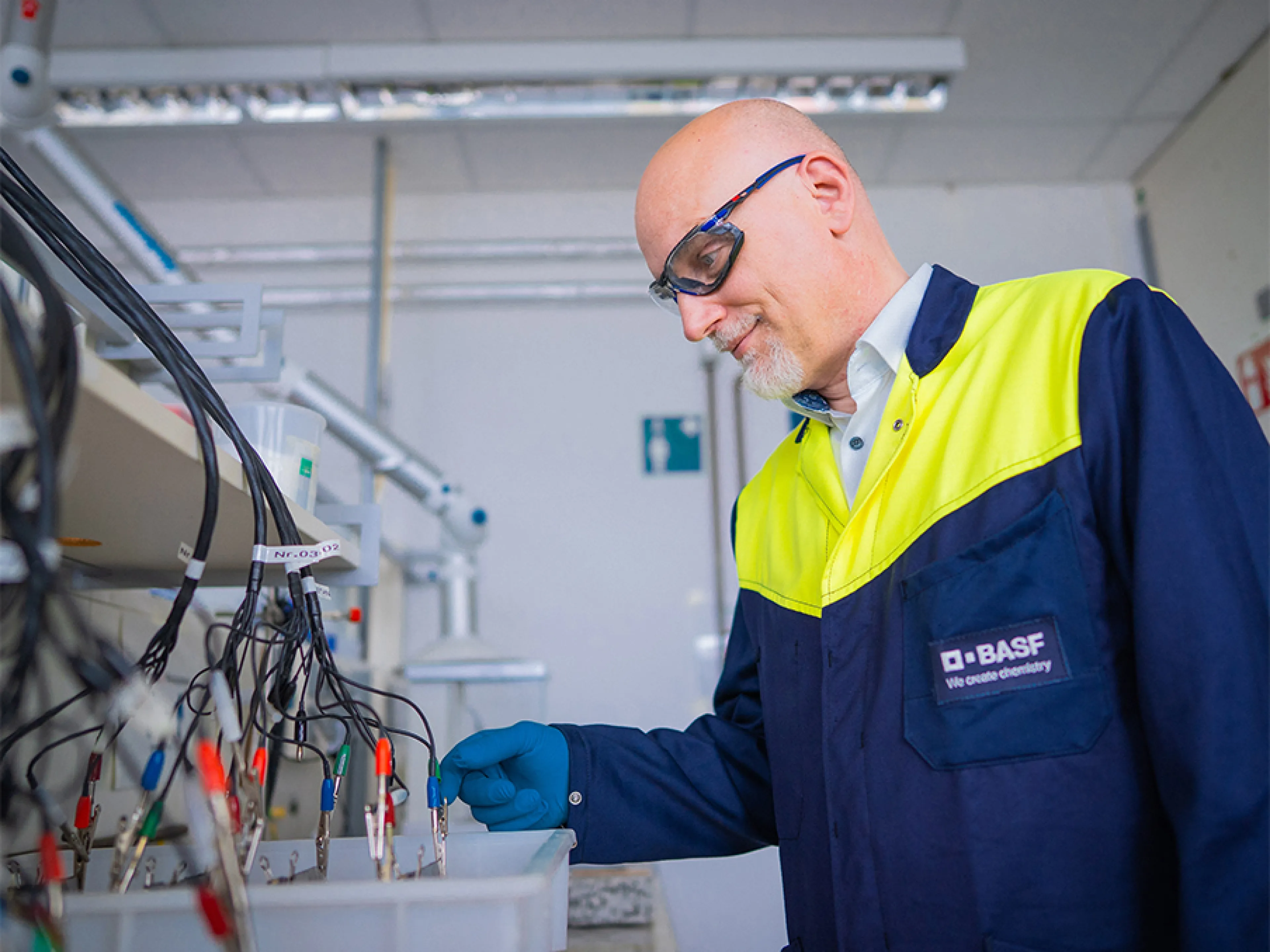
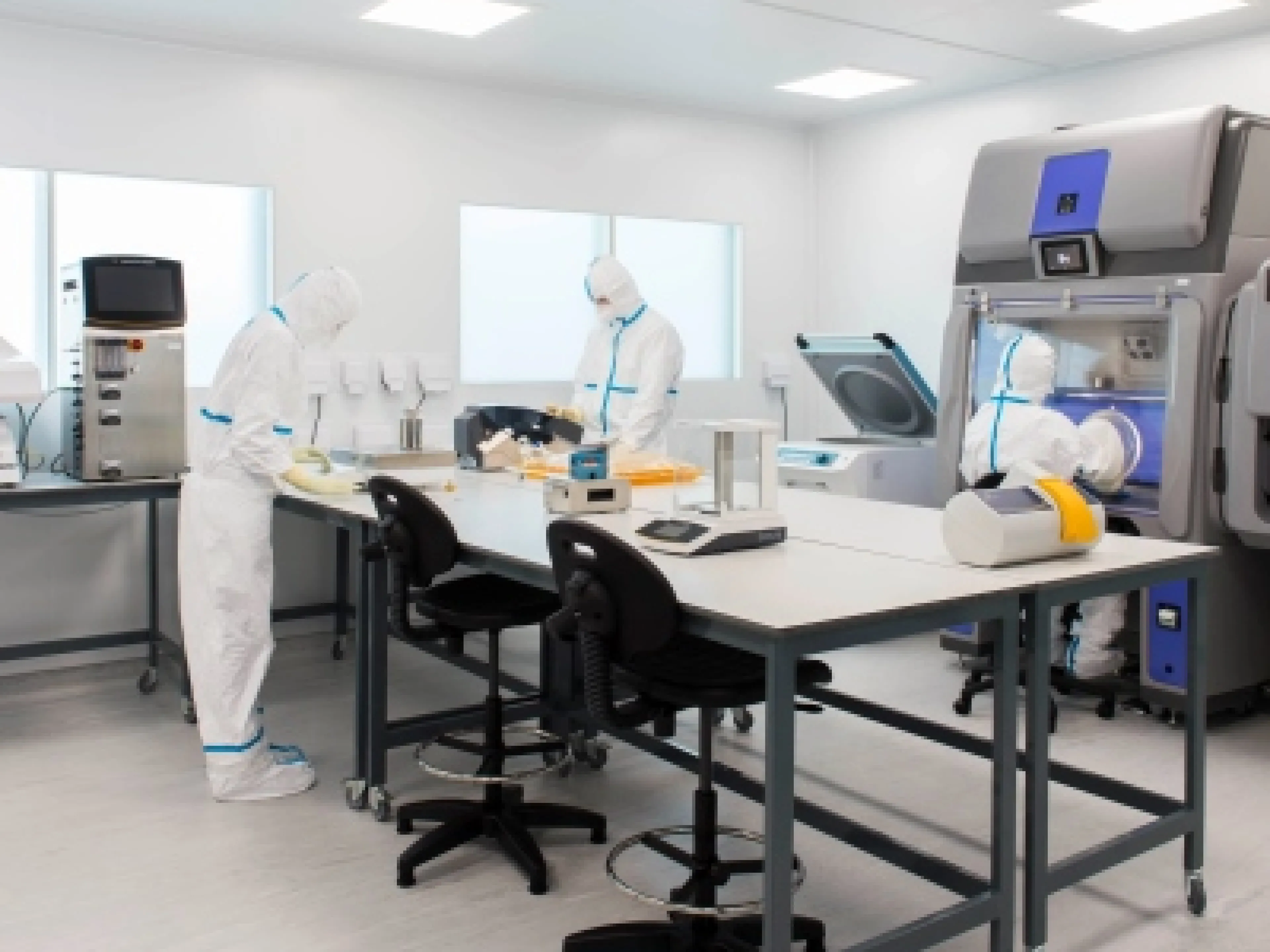
Corrosion resistance testing is a central component of modern corrosion protection strategies. In these tests, materials laboratories examine materials such as steel, plastics, or enamel under real-world operating conditions in defined test environments. The tests are conducted using the actual operating media as well as under realistic temperature and process conditions. The goal is to reliably assess the resistance of the materials used and to select suitable materials for future application. Such tests not only provide technical insights but also meet regulatory requirements, such as those for suitability assessments under the Water Resources Act or AwSV.
Monitoring corrosion protection directly in the plant
In addition to laboratory testing, corrosion monitoring during ongoing operations plays a crucial role. For this purpose, corrosion test specimens are installed directly in tanks, pipelines, or production facilities and exposed to real operating conditions over a defined period. The results enable a practical assessment of material resistance and support operators during inspections, damage analyses, or the selection of alternative materials. This form of corrosion protection provides important insights, particularly when dealing with new media or changed process conditions.
Hydrogen applications place new demands on materials
As the hydrogen economy expands, so do the demands on suitable materials. Hydrogen can lead to so-called hydrogen embrittlement in certain metals. In this process, materials lose their ductility and strength. Material testing laboratories therefore specifically examine the hydrogen resistance of metallic materials. These tests are relevant for H2-Ready certifications, among other things, and are becoming increasingly important for energy suppliers, grid operators, and plant manufacturers.
Damage analyses improve long-term corrosion protection
If damage occurs despite all precautions, a rapid root cause analysis is crucial. Materials testing laboratories examine corrosion damage on individual components as well as on entire systems. The results not only aid in technical clarification but also provide important insights for preventing future damage. This enables operators to reduce downtime and operate their systems more safely in the long term.
In addition to technical testing, employee training is also gaining importance. Materials testing laboratories are therefore increasingly offering training courses on materials, corrosion mechanisms, and damage prevention. Such training helps identify corrosion damage early on and raises awareness of risks associated with process or parameter changes. At the same time, experts are available as contacts for specific questions.
Corrosion protection is becoming a strategic factor
Corrosion remains an underestimated hazard for industrial plants and infrastructure. At the same time, modern materials testing and monitoring systems show that much damage can be detected early and prevented. Materials testing laboratories offer a wide range of testing methods and services for this purpose, from resistance testing and corrosion monitoring to hydrogen testing and training. As a result, corrosion protection is increasingly becoming a strategic component of safe and economical production processes.
Authors
Dr. Stephan Lederer, Materials Engineering Expert, Tüv Hessen
Dr. Manuel Scholz, Materials Engineering Expert, Tüv Hessen