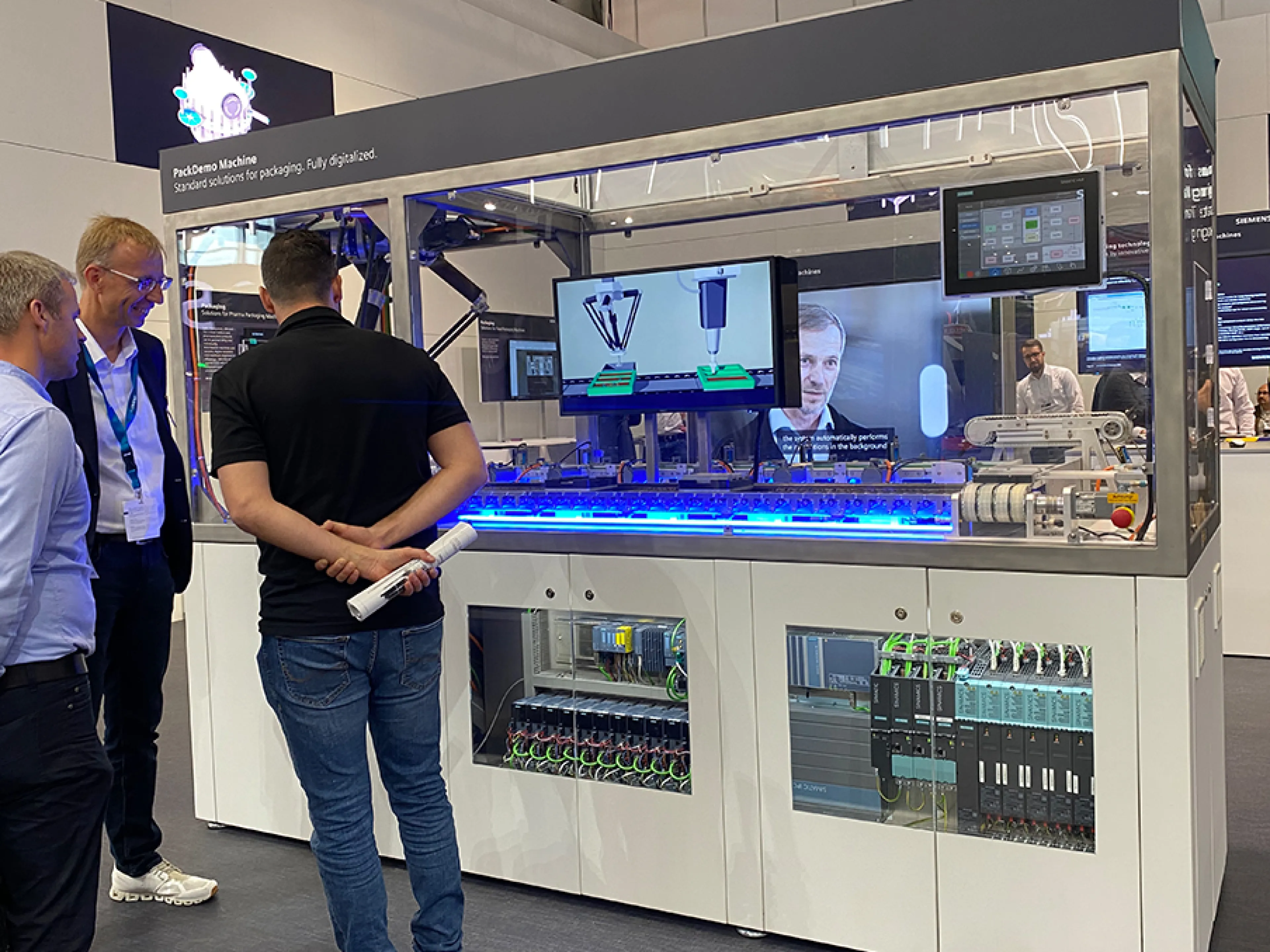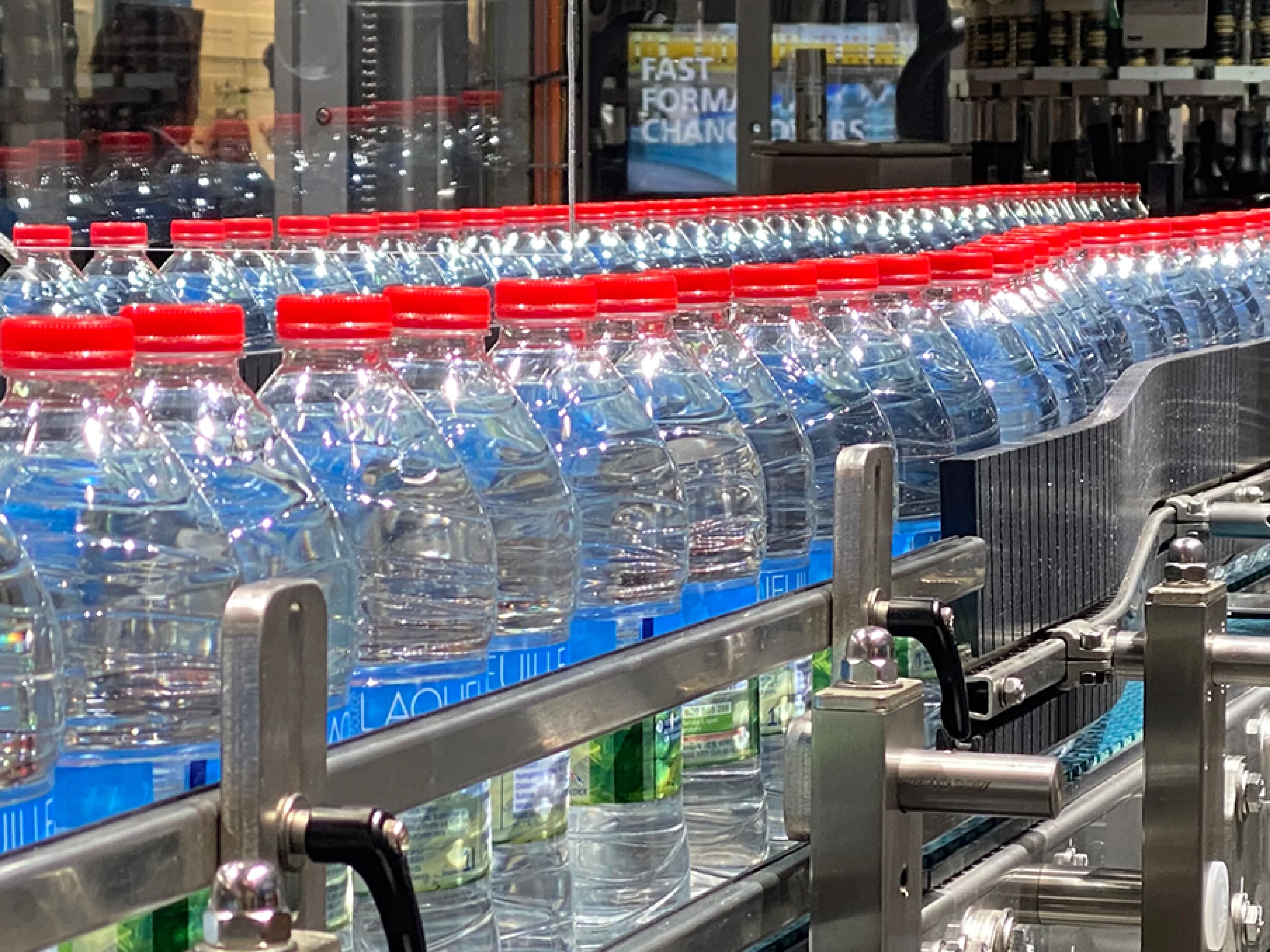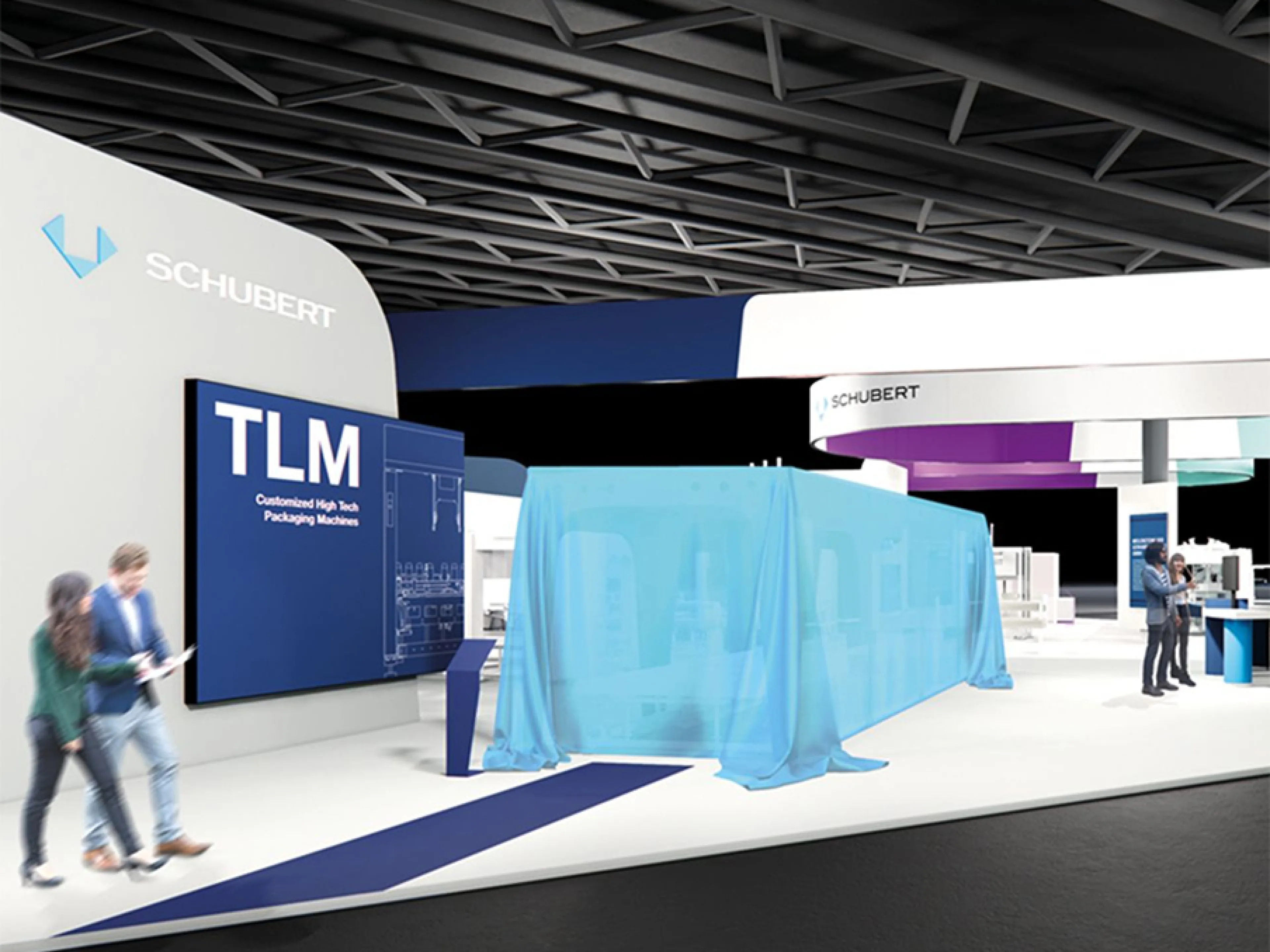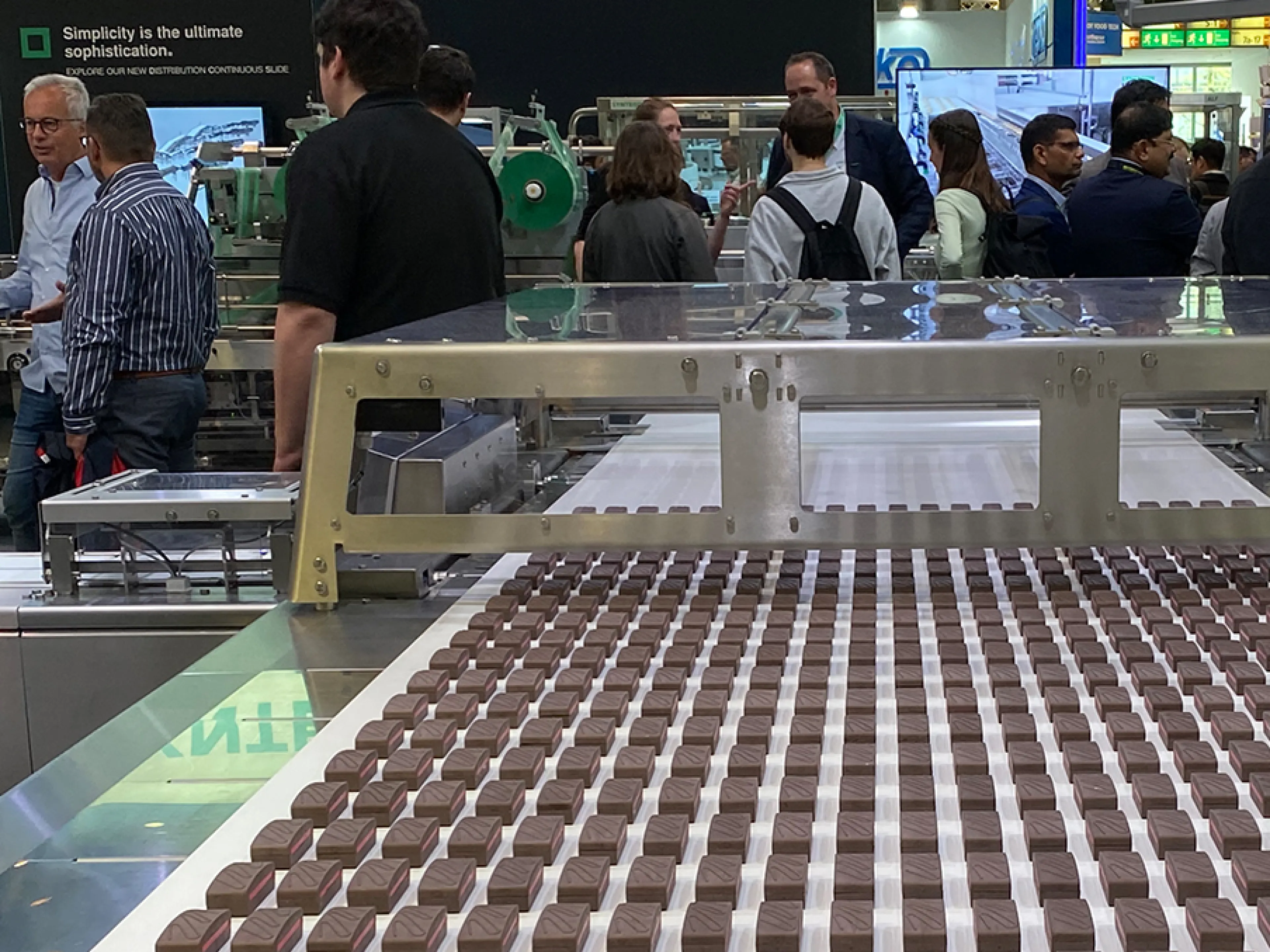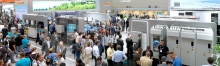

Interpack 2026 has impressively demonstrated the extent to which the international processing and packaging industry is currently undergoing change. Digitalization, automation, sustainable materials, and new regulatory requirements are shaping the industry’s development. At the same time, it became clear in Düsseldorf just how closely companies are now collaborating across the entire value chain. With more exhibitors and international participation than ever before, the trade fair once again established itself as the central meeting place for innovations, investments, and concrete projects in the global packaging industry.
Interpack records record exhibitor participation
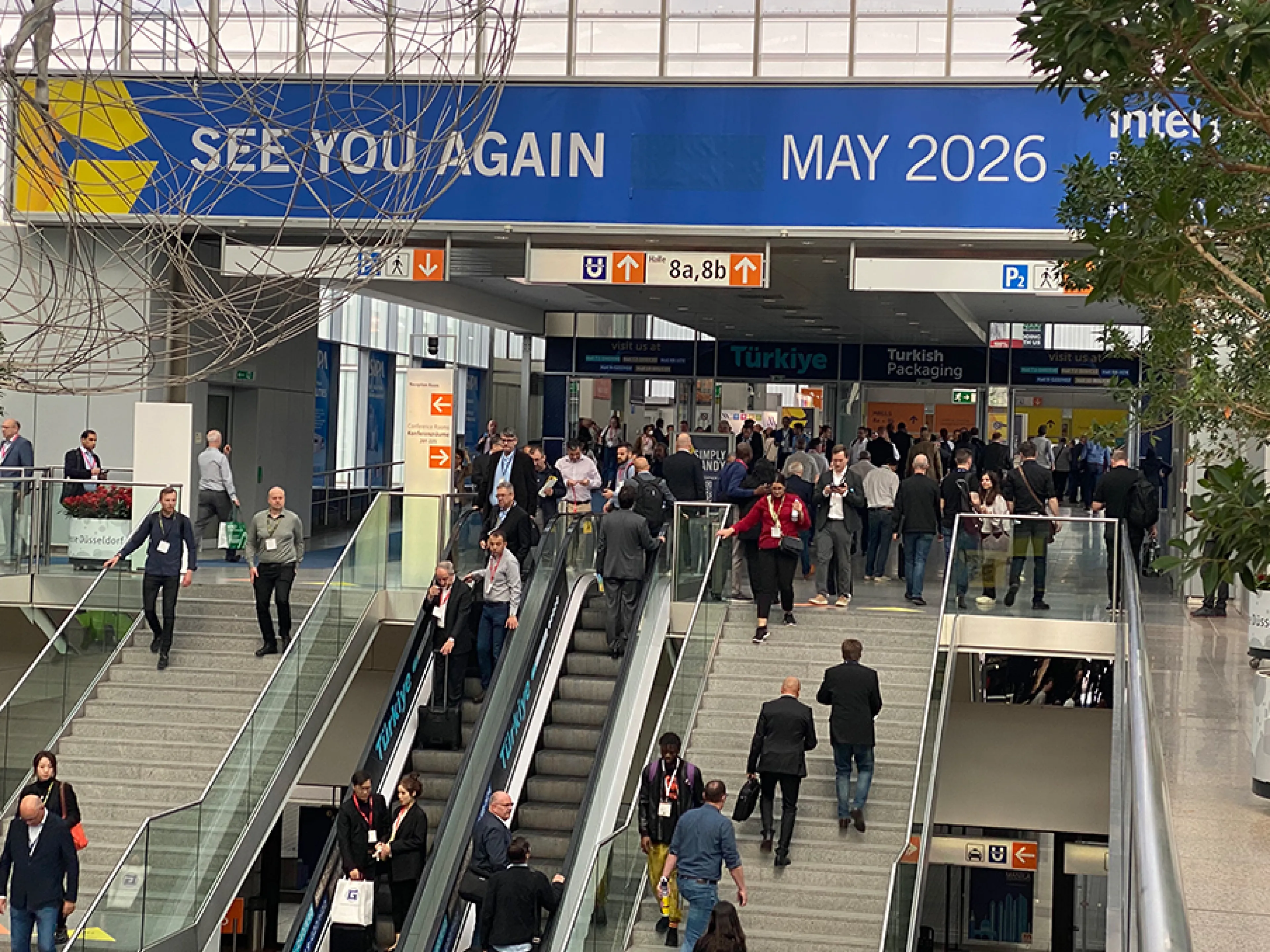
From May 7 to 13, 2026, a total of 2,804 exhibitors from 65 countries presented their offerings in Düsseldorf. The trade fair was complemented by around 100 companies at the parallel supplier trade fair Components. This made Interpack 2026 the largest edition in its history. Around 127,000 trade visitors from 161 countries came to Düsseldorf. The previous edition in 2024 saw significantly more visitors, with 142,000 attendees. The international share stood at 75 percent, with around 28 percent coming from overseas. The fully booked exhibition grounds reflected the event’s high significance for the global packaging and process industry. Thomas Dohse, Director of Interpack, draws a positive conclusion: “This was a top-notch Interpack. Busy halls, intensive exchanges, and concrete projects demonstrated the power of this global community. Interpack is the industry’s most important gathering worldwide, and this edition has impressively confirmed that.”

The packaging industry is facing profound change
Interpack encountered an industry currently undergoing a comprehensive transformation. Increasing demands for sustainability, supply chain efficiency, and resource efficiency are fundamentally changing production processes and material usage. The European Packaging and Packaging Waste Regulation (PPWR) in particular played a central role at the trade show. Many companies presented solutions that more closely integrate materials, machinery, and processes and align them with regulatory requirements. This made it clear at the packaging trade show that the industry is increasingly thinking systemically and planning investments across entire value chains.
Smart manufacturing shapes Interpack 2026
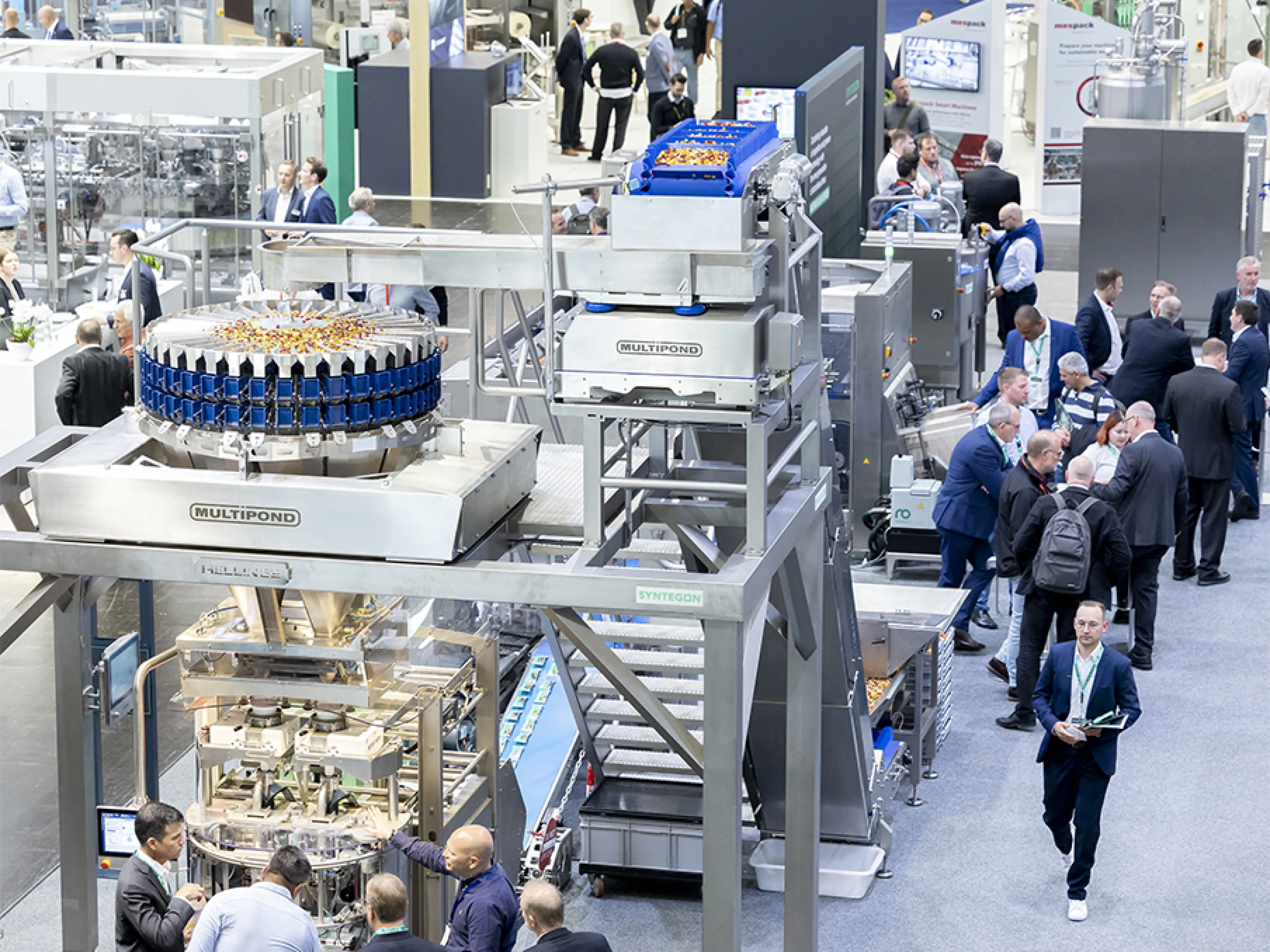
A central theme of the 2026 trade show was smart manufacturing. Data-driven applications, flexible plant concepts, and automated production systems have now become firmly established in industrial practice. Exhibitors showcased numerous applications for networked production environments as well as digital control and optimization systems. At the same time, there was a greater focus on new competency requirements for employees. In the area of sustainable packaging materials, companies also presented practical solutions that function under real production conditions and comply with regulatory requirements.

Interpack specials provide additional momentum
In addition to the traditional exhibition booths, numerous special formats provided additional momentum at the event. These included the Interpack Spotlight Forum, the Save Food Expert Talks, the Start-up Zone, as well as formats such as Women in Packaging and the Young Talents Day. Topics ranged from sustainability and digitalization to diversity and the promotion of young talent, as well as qualifications and future skills in the packaging industry.
Interpack remains the industry’s economic driver
In 2026, Interpack once again confirmed its role as the central platform for the global packaging industry. In Düsseldorf, not only were technologies presented, but concrete projects were also initiated and investment decisions prepared. The combination of international presence, technical depth, and high innovation momentum made clear the continued importance of the trade show for the industry. The next Interpack will take place in 2029. According to the organizers, the exact date will be announced shortly.