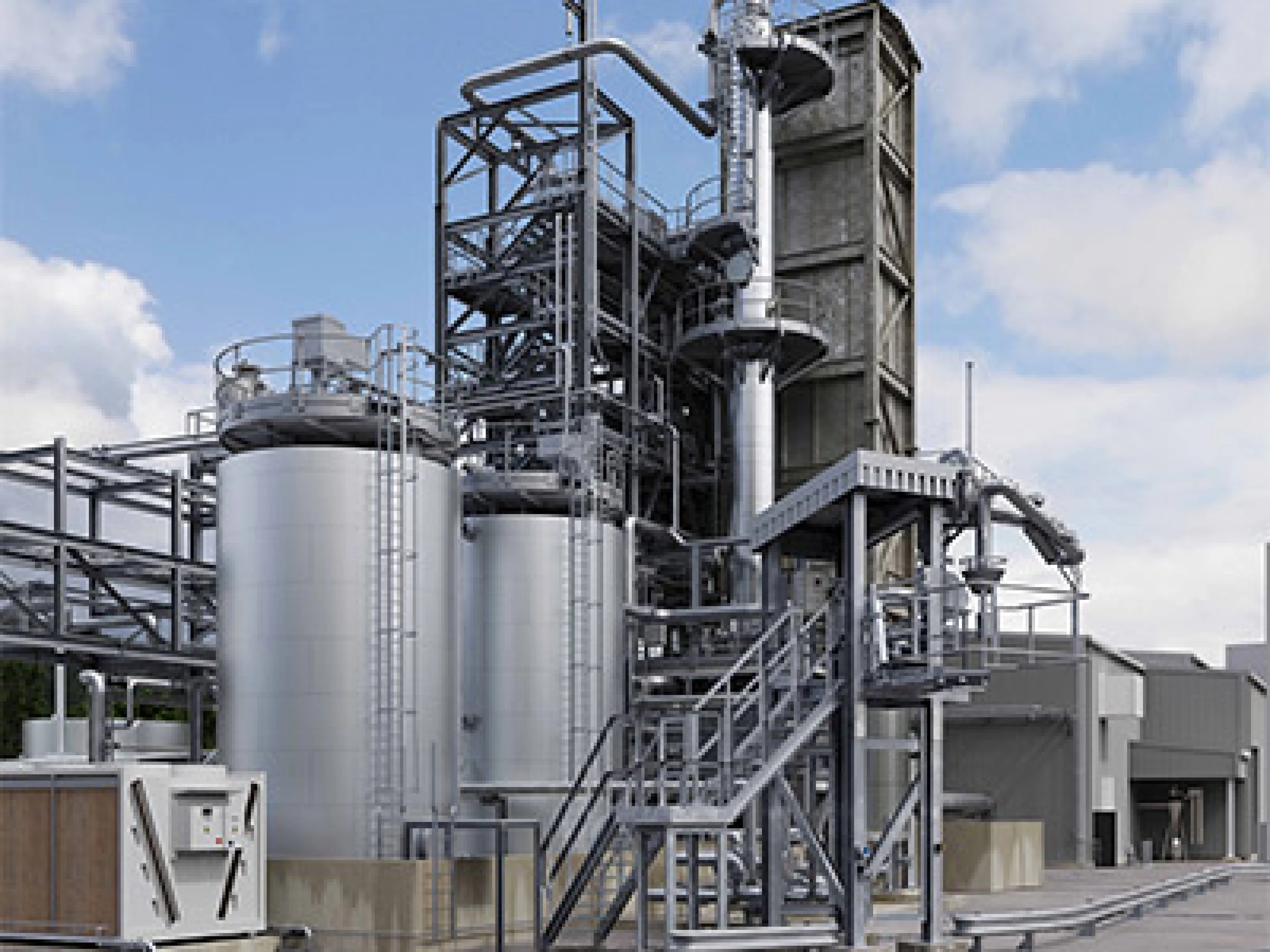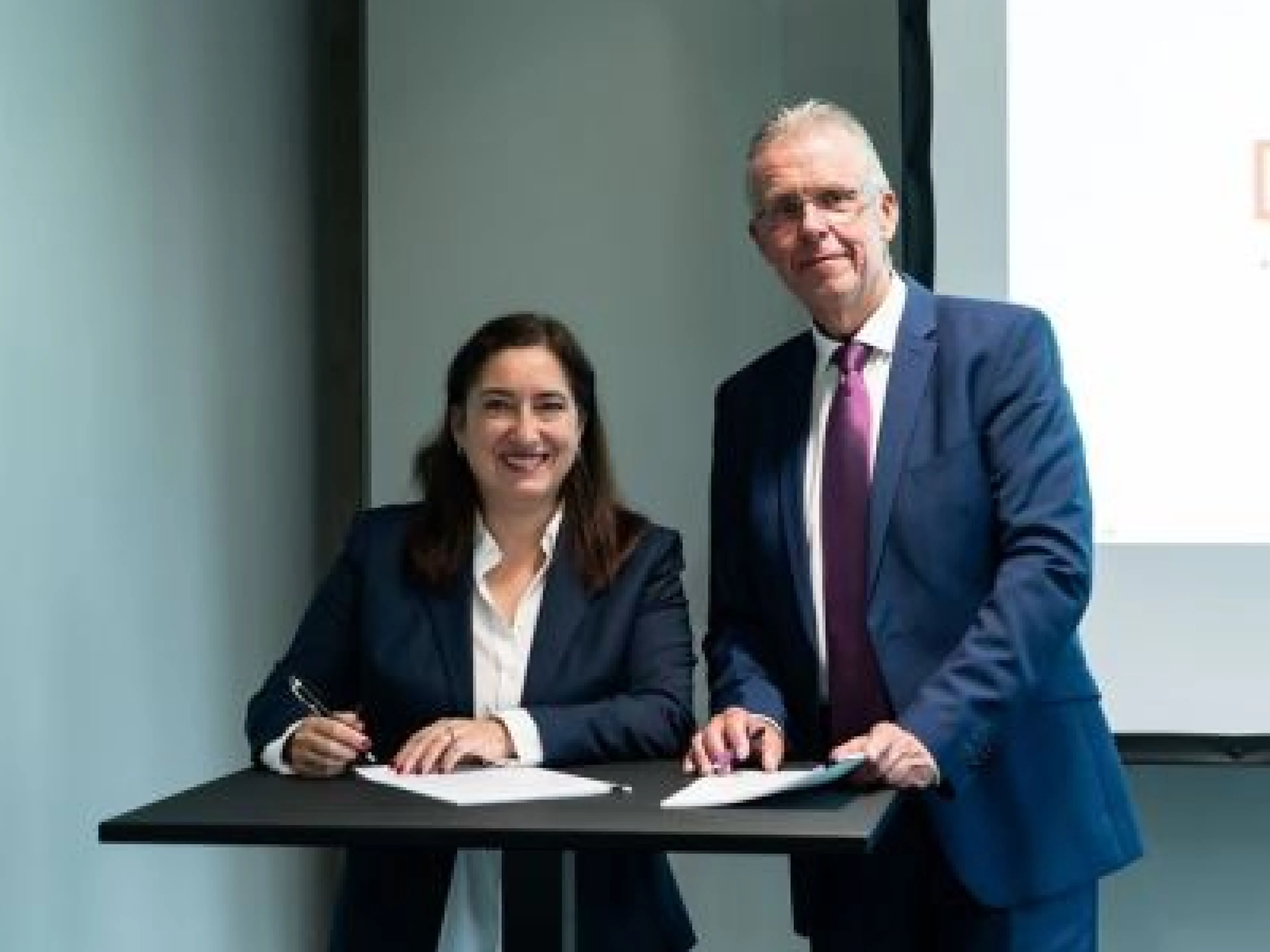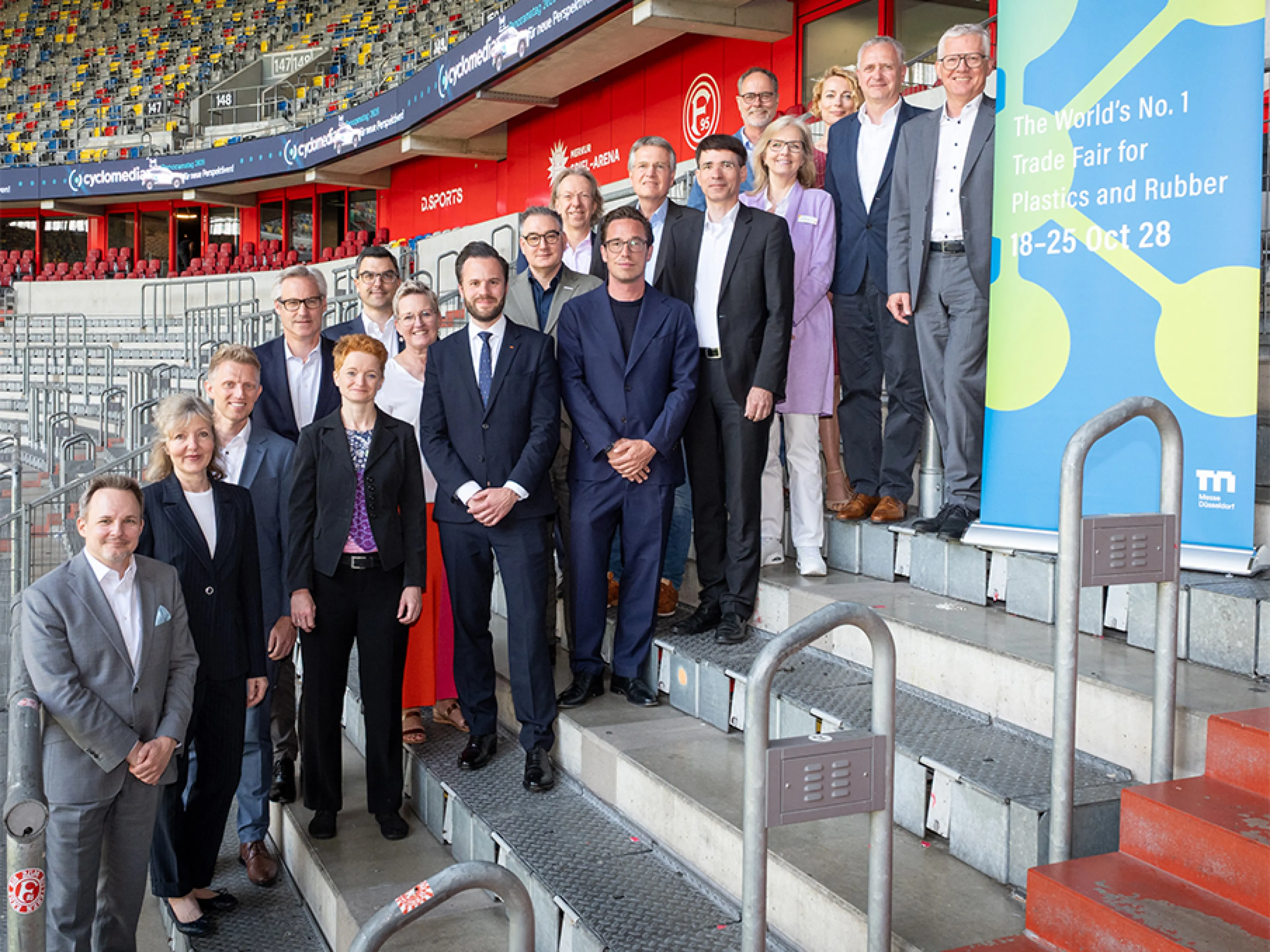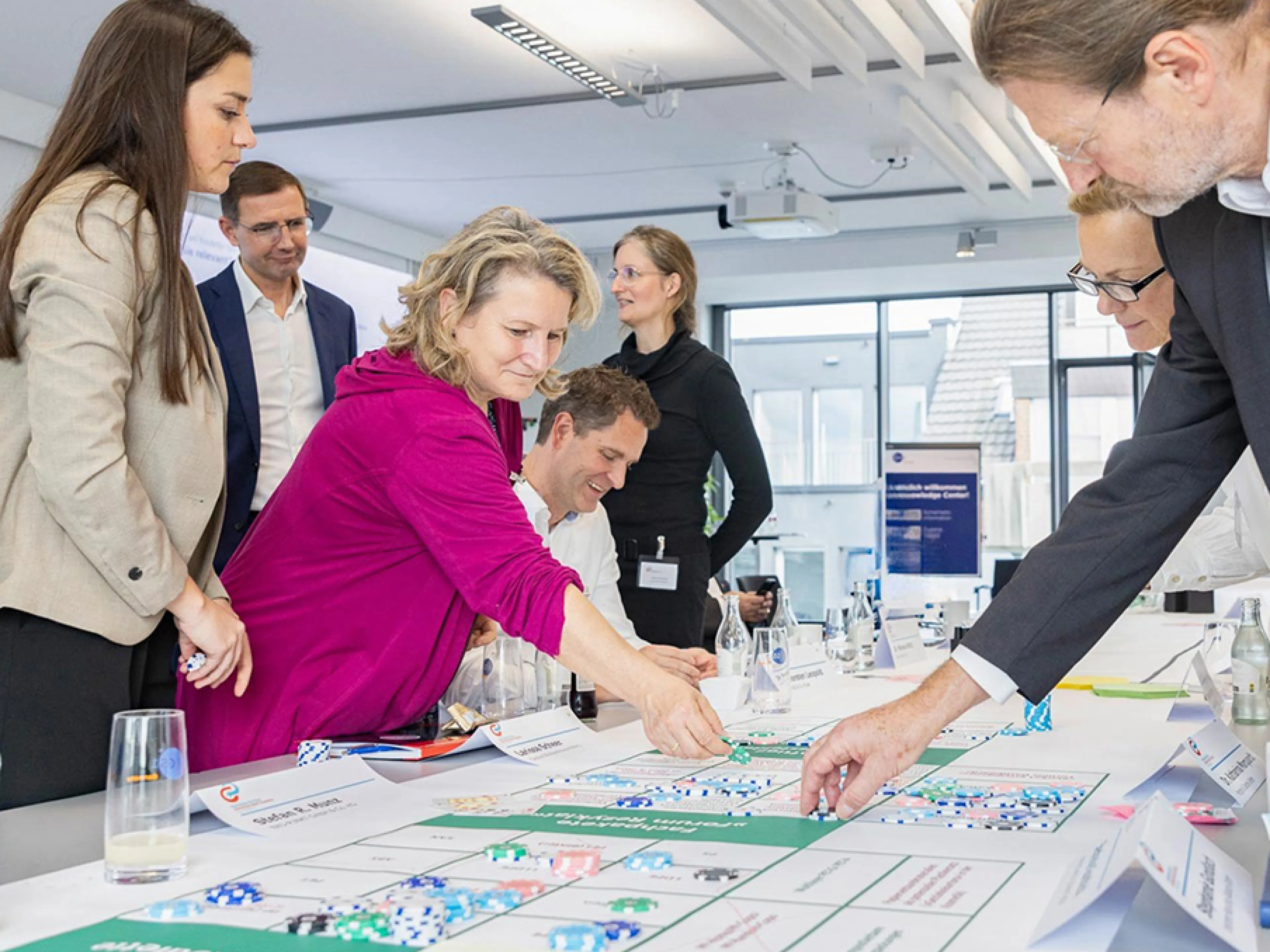

Neste has commissioned a new facility for processing liquefied waste plastic at its Porvoo refinery, representing a significant investment in the industrialisation of chemical recycling. Designed to strengthen the supply of high-quality recycled feedstock for the plastics and chemicals industry, the project represents a total investment of €111 million. With a processing capacity of up to 150,000 tons per year, the plant is currently the largest facility of its kind worldwide. The ramp-up phase has already begun and will be scaled depending on regulatory and market developments.
Neste scales chemical recycling with industrial capacity
By commissioning the new unit, Neste expands its capabilities in handling liquefied waste plastic at scale. The facility upgrades pyrolysis oil and similar feedstocks into materials suitable for demanding petrochemical applications. “The successful commissioning proves that we can process liquefied waste plastic at an industrial scale. This achievement demonstrates Neste's capability to develop advanced technology, set safety standards, and create new supply chains for challenging new raw materials. We are proud of this achievement, and I want to express my sincere thanks to our partners and employees whose dedication has allowed us to turn this vision into a reality,” says Jori Sahlsten, Executive Vice President of Oil Products at Neste. The company has been working with liquefied waste plastic since 2020. Construction of the new facility started in 2023 and was completed by the end of 2025, with production ramp-up initiated in 2026.
Closing the quality gap in recycled feedstock
A key objective of the project is to improve the quality of recycled raw materials derived from complex plastic waste streams. Mechanical recycling often reaches its limits when dealing with mixed, contaminated or multi-layer plastics. Neste’s new facility addresses these challenges by upgrading low-quality plastic waste oils into feedstock that meets industry requirements. This enables the use of materials that would otherwise be incinerated or landfilled.
“We enable the scale-up of chemical recycling by upgrading liquefied plastic waste. The plastic originates from low-quality waste streams not suitable for mechanical recycling and destined for incineration or landfills. Thanks to our new facility, even hard-to-recycle plastic waste can be upgraded to meet the feedstock quality requirements of companies manufacturing high-quality plastics. However, the current European Commission’s calculation rules on recycled content in the Single Use Plastics Directive threaten to limit the ability of refineries to serve EU’s recycled content targets. For Europe's competitiveness sake, we need to ensure the calculation rules are amended to include refineries in the context of the EU Packaging and Packaging Waste Regulation,” says Maiju Helin, Director of Polymers and Chemicals at Neste.
Integration into existing refinery infrastructure
The upgrading process is integrated into the existing refinery operations. Liquefied waste plastic is processed together with crude oil, using a mass balance approach to allocate recycled content to final products such as „Neste RE“. This method enables the production of drop-in raw materials that can be used in existing petrochemical processes without requiring changes to infrastructure.
Environmental impact and circular economy potential
According to lifecycle assessment data, the use of recycled raw materials can significantly reduce environmental impact. Compared to incineration, chemical recycling combined with fossil feedstock substitution can reduce virgin fossil resource use by more than 70 percent and greenhouse gas emissions by over 35 percent. In addition to operating its own facilities, Neste collaborates with partners such as Alterra and Technip Energies to license liquefaction technologies, further supporting the development of circular solutions for plastics.
Conclusion: Scale-up of chemical recycling
With this investment, Neste advances the scale-up of chemical recycling and strengthens its position in the circular plastics economy. The new facility demonstrates how industrial infrastructure can be adapted to process challenging waste streams and deliver high-quality recycled feedstock for future applications.