
Large quantities of plastic packaging are still being used for energy recovery. This results in the loss of valuable raw materials. PET recycling in particular offers enormous potential for a functioning circular economy, as PET is lightweight, easily moldable, and can be recycled multiple times. It is also approved for food contact and economically attractive to process.
“PAC2PAC” as a flagship project for PET recycling
With the “PAC2PAC” project, the Swiss Bachmann Group is pursuing the goal of establishing a closed recycling loop for PET packaging. The project partners are Sesotec, Starlinger Viscotec, Krones, and PET-Man. Together, they conducted a feasibility study to investigate how mixed plastic collections can be efficiently converted into high-quality PET recyclates. The goal is to produce new packaging from used packaging without any loss of quality.
The challenge in PET recycling: food grade or non-food?
A key problem in PET recycling is the reliable separation of food-grade and non-food-grade PET. The complexity of this issue is illustrated by the example of Swiss plastic collection bags, which are used to dispose of a wide variety of packaging materials. Conventional sorting methods such as NIR technology, color or shape recognition are not sufficient to reliably distinguish food-grade PET from non-food PET. However, the highest purity requirements are crucial for a closed loop.
AI-supported sorting as a key technology
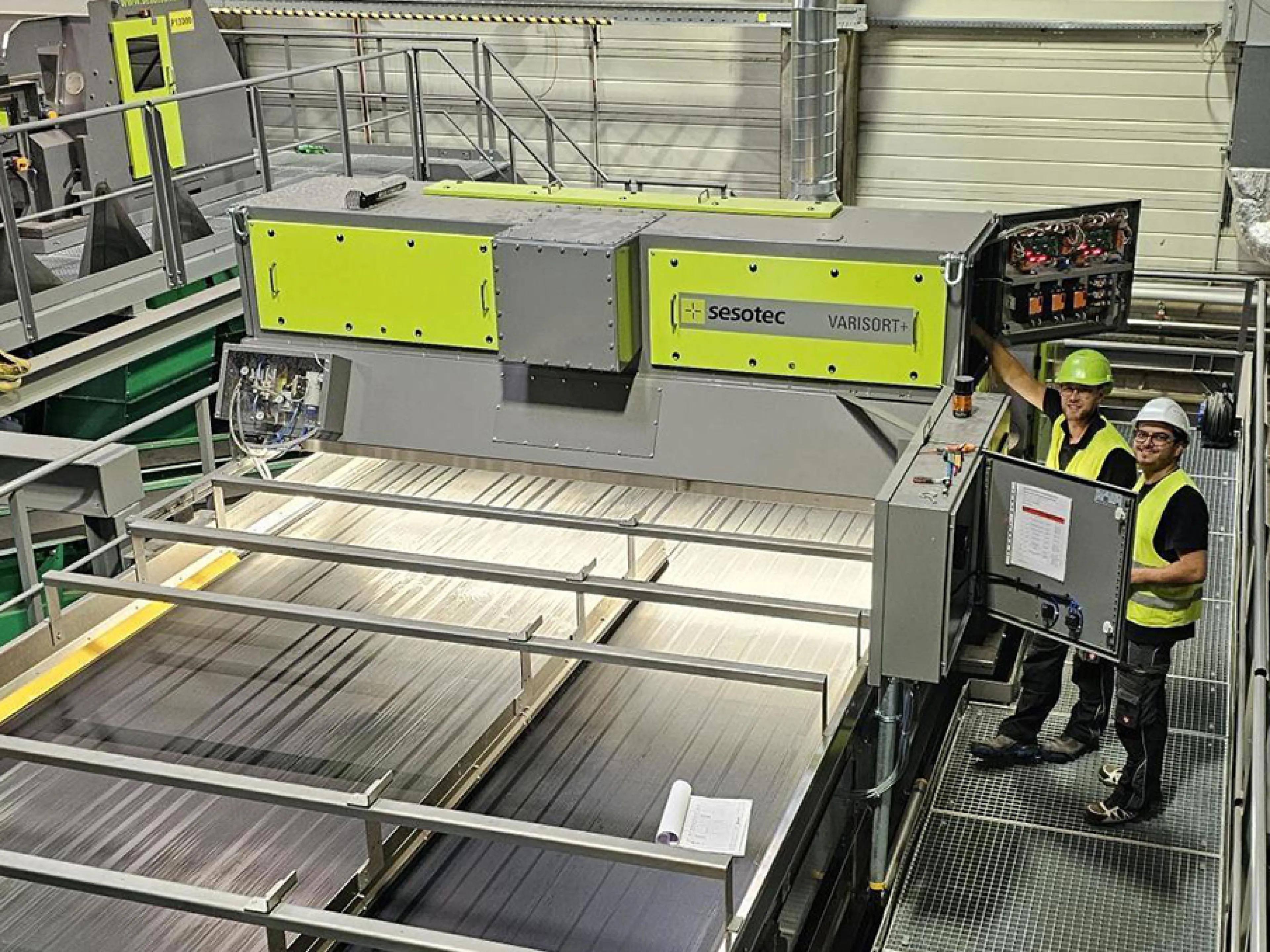
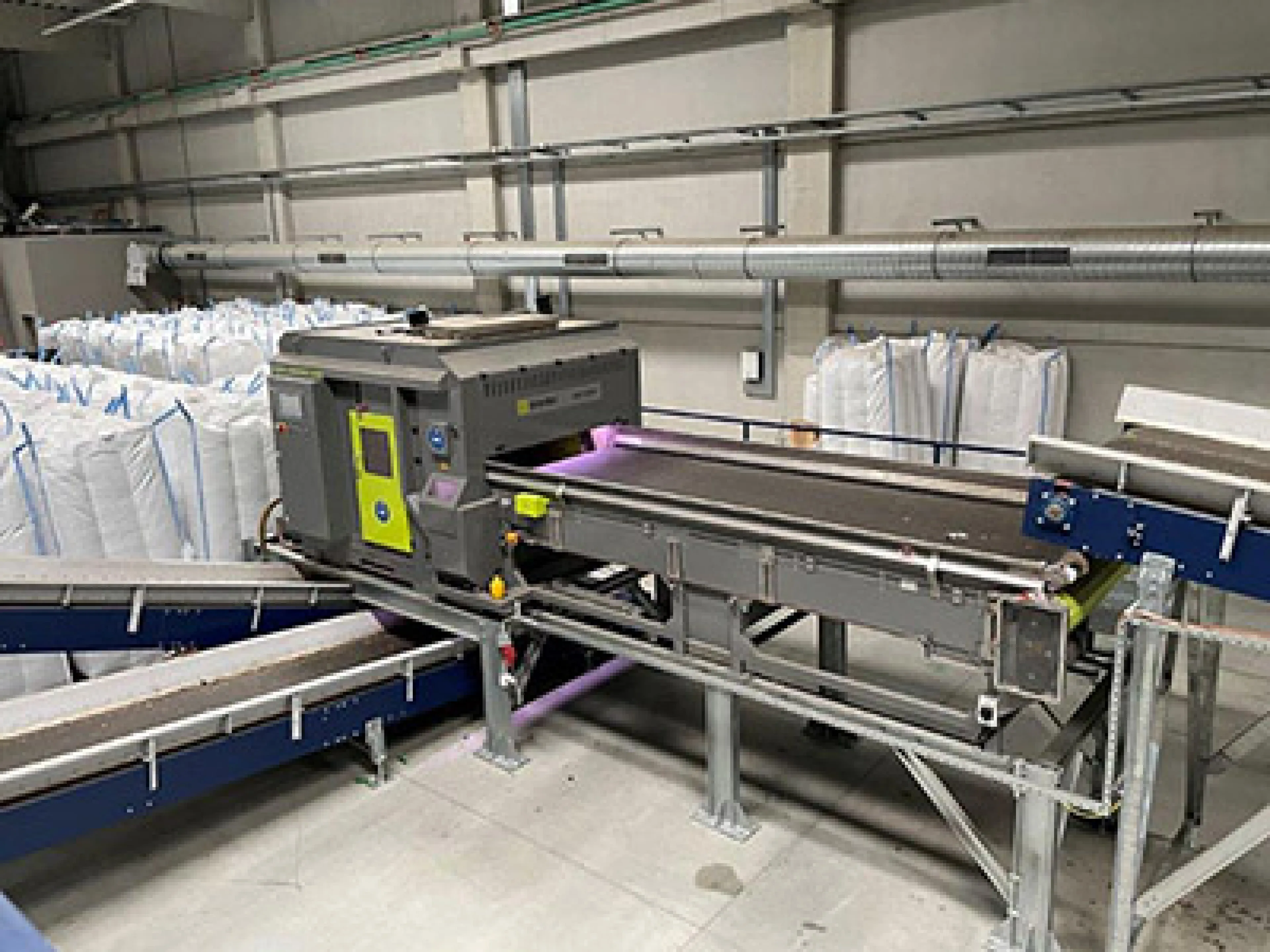
In the “PAC2PAC” project, Sesotec is responsible for sensor-based sorting. The “VARISORT+ UNITY” sorting system with AI-based “OBJECT-AI” technology is used. The combination of near-infrared detection, color and shape recognition, and AI-supported object recognition enables a much more precise differentiation between food-grade and non-food-grade PET.
The sorting process produces two clearly defined fractions:
- “Clear food-grade PET”
- “Colored food-grade PET”
Accompanying analyses continuously ensure compliance with the limit values.
Fine sorting and quality control in the PET recycling process
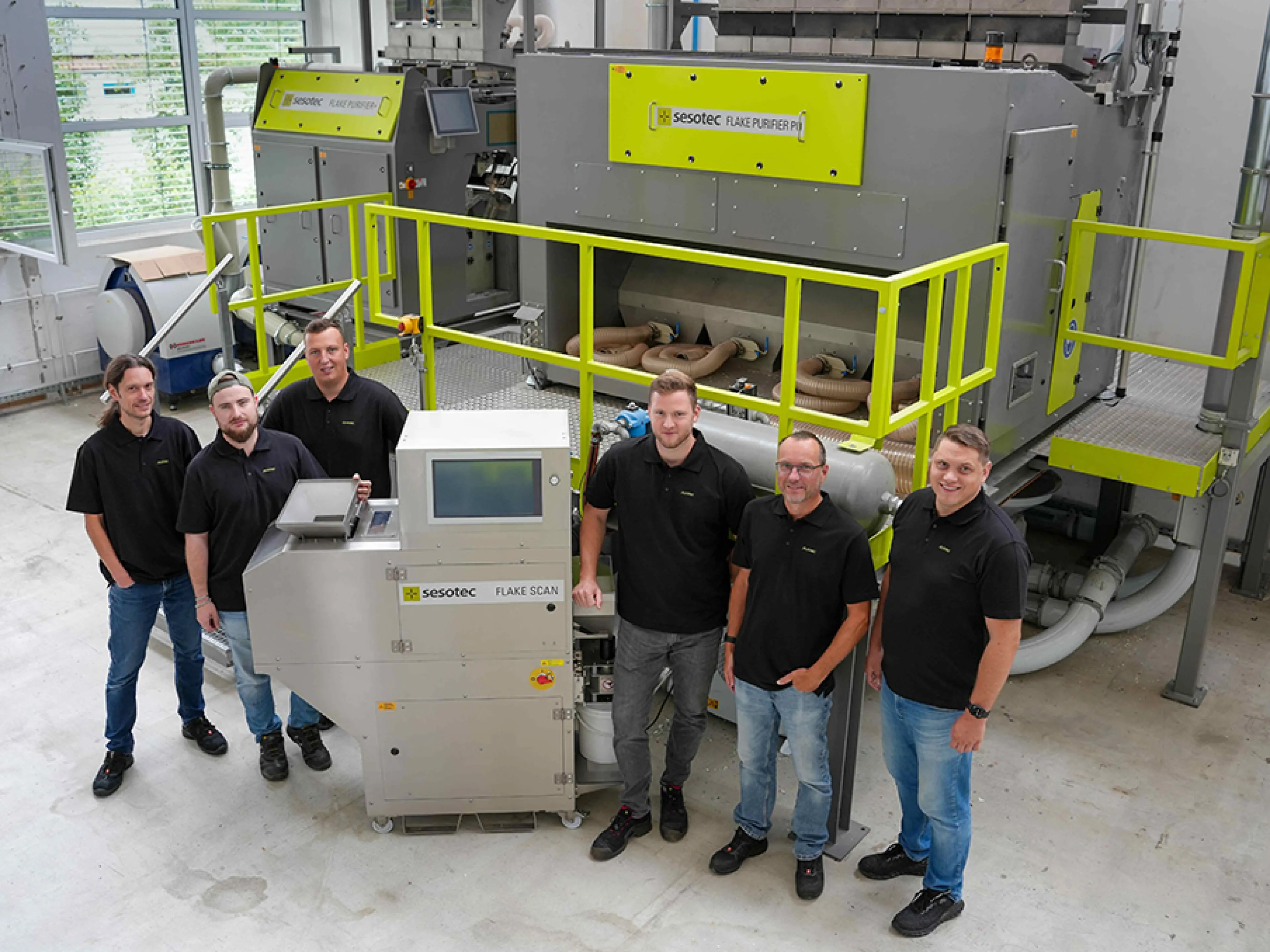
After pre-sorting, the packaging is processed into flakes. The “FLAKE PURIFIER+” sorting system performs fine sorting and removes any remaining foreign matter, metals, or off-colors. The “FLAKE SCAN” material analysis system is used for quality assurance. It enables fast and reliable analysis of the material composition according to plastic type, color, and metallic components. This ensures a high level of process reliability.
Higher recycling rate through intelligent PET recycling
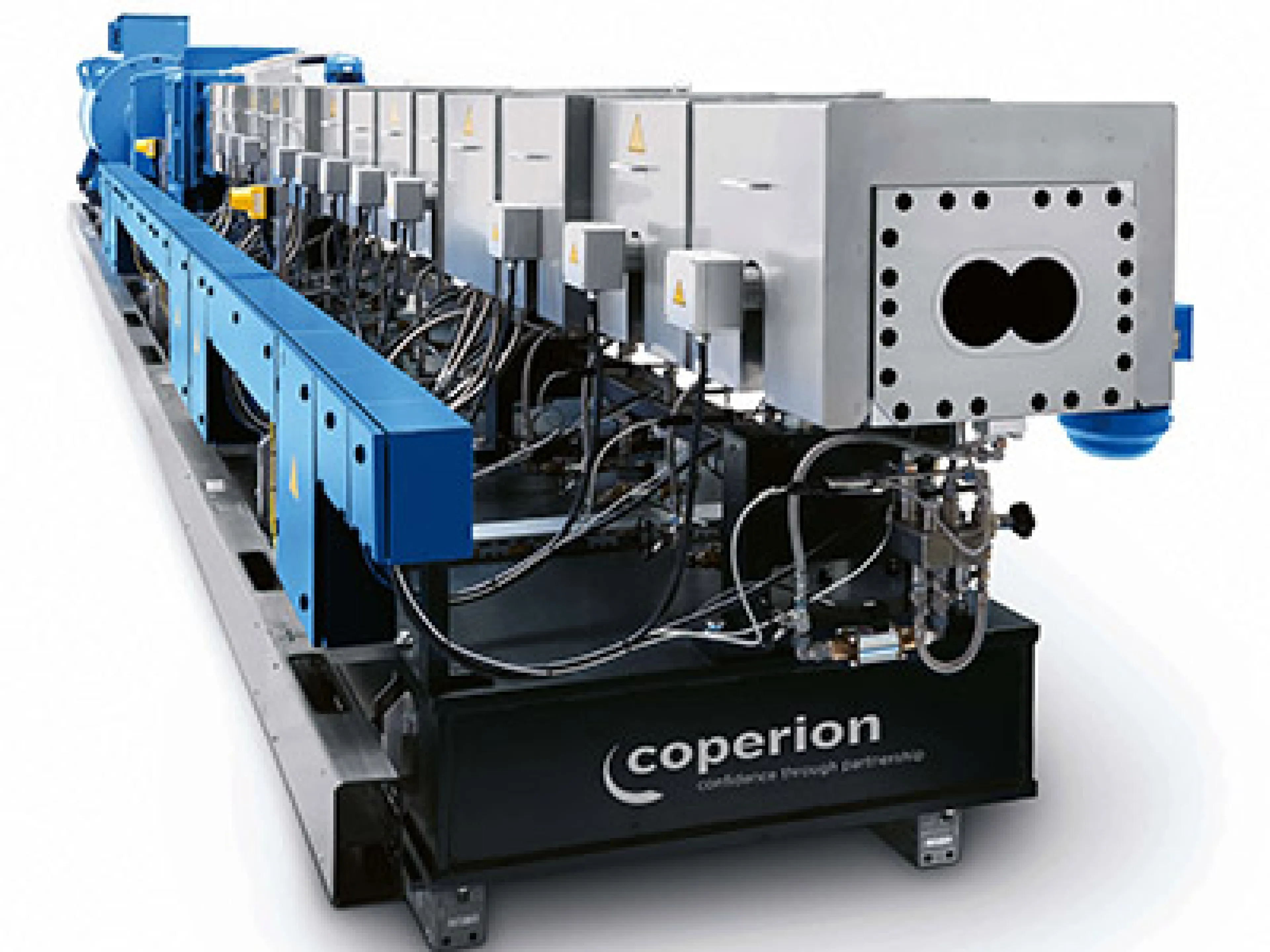
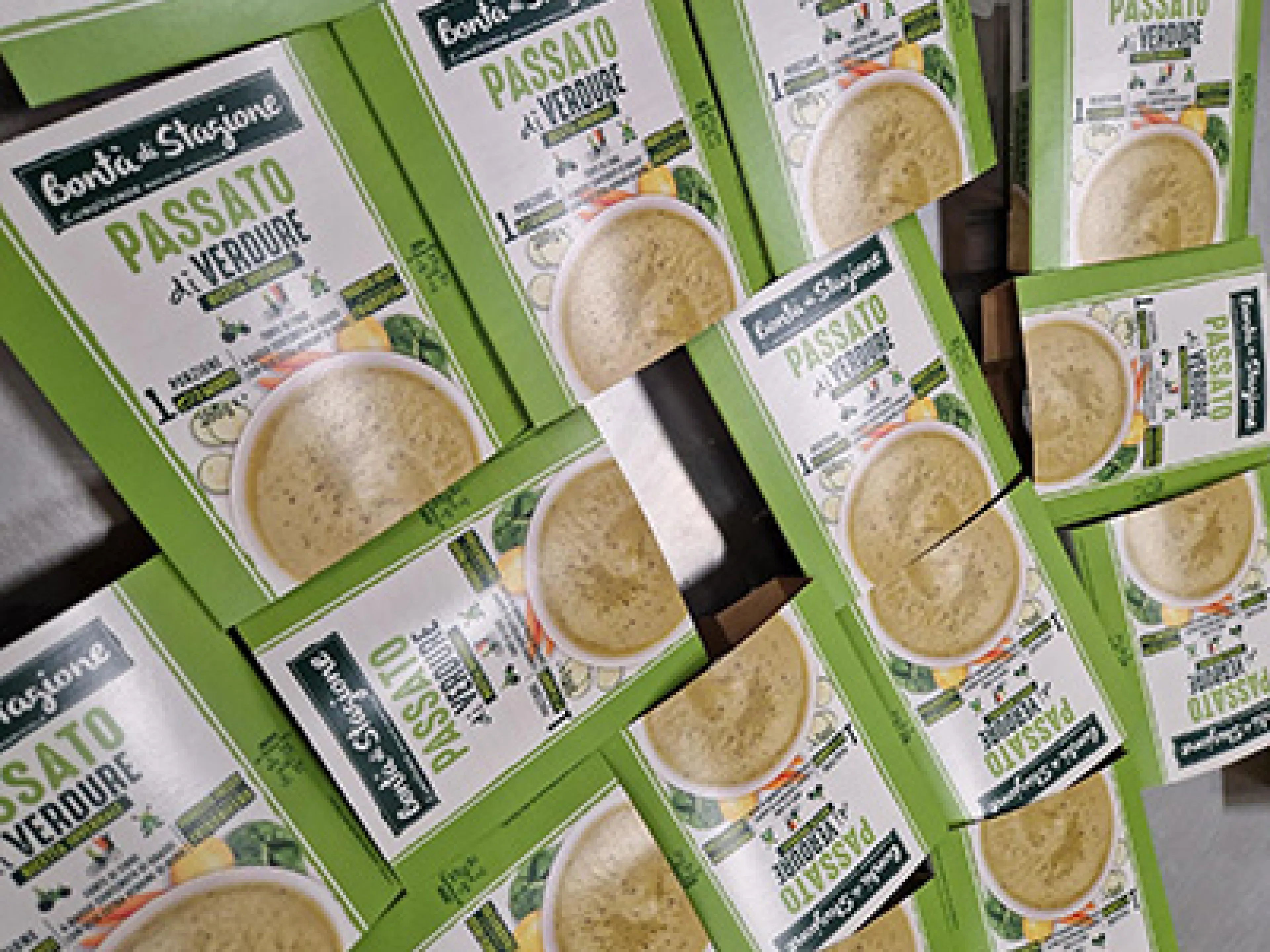
The sorted PET flakes are then extruded into mono-recycling films. These films serve as the raw material for new packaging, which is produced by thermoforming. This closes the loop in PET recycling: used packaging is turned into new, equivalent products.
The project shows that high-quality food-grade PET can be returned to the cycle in an economical and quality-assured manner. At the same time, transparent non-food PET and colored PET are also being put to better use. The result is a significant increase in the recycling rate of Swiss collection bags while maintaining consistently high material quality.