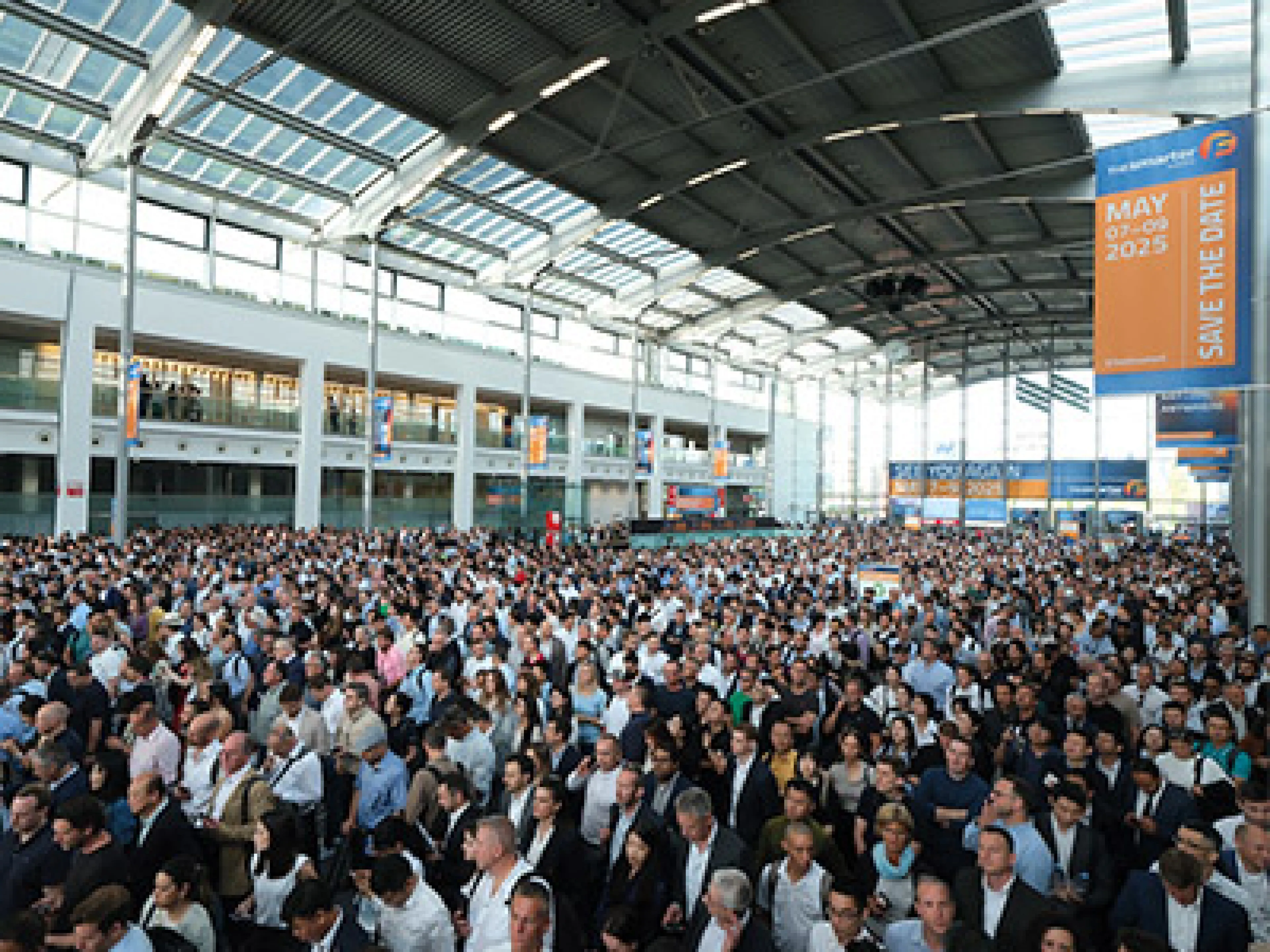

From June 23 to 25, 2026, the trade fair alliance “The smarter E Europe” will take place in Munich, focusing on the role of renewables in ensuring a stable energy supply. Against the backdrop of geopolitical developments and growing demands for security of supply, the special exhibition “Renewables 24/7” demonstrates how an energy supply based on renewable energies can be implemented around the clock. The concept is complemented by a study from the Fraunhofer Institute for Solar Energy Systems, which demonstrates technical feasibility using concrete data.
Renewables as the foundation for future energy systems
Solar and wind energy have established themselves as central pillars of the energy supply. According to the International Energy Agency, installed renewable energy capacity will rise to 2.6 times the 2022 level by 2030. As a result, renewables are becoming increasingly important for industrial energy systems and national supply strategies. The example of Germany shows that around 60 percent of electricity generation already comes from renewable sources. This development serves as the basis for assessing supply security in industrialized nations.
Special exhibition showcases practical applications for renewables
The special exhibition “Renewables 24/7” is divided into four thematic areas: industry, commerce, residential, and mobility. Visitors gain insights into how power generation, storage, flexibility, and digitalization interact. The goal is to present the integration of renewable energies into various application areas in a practical manner. A special focus is placed on system stability. The exhibition addresses common assumptions about the lack of reliability of renewables and showcases technical solutions for managing fluctuating generation.
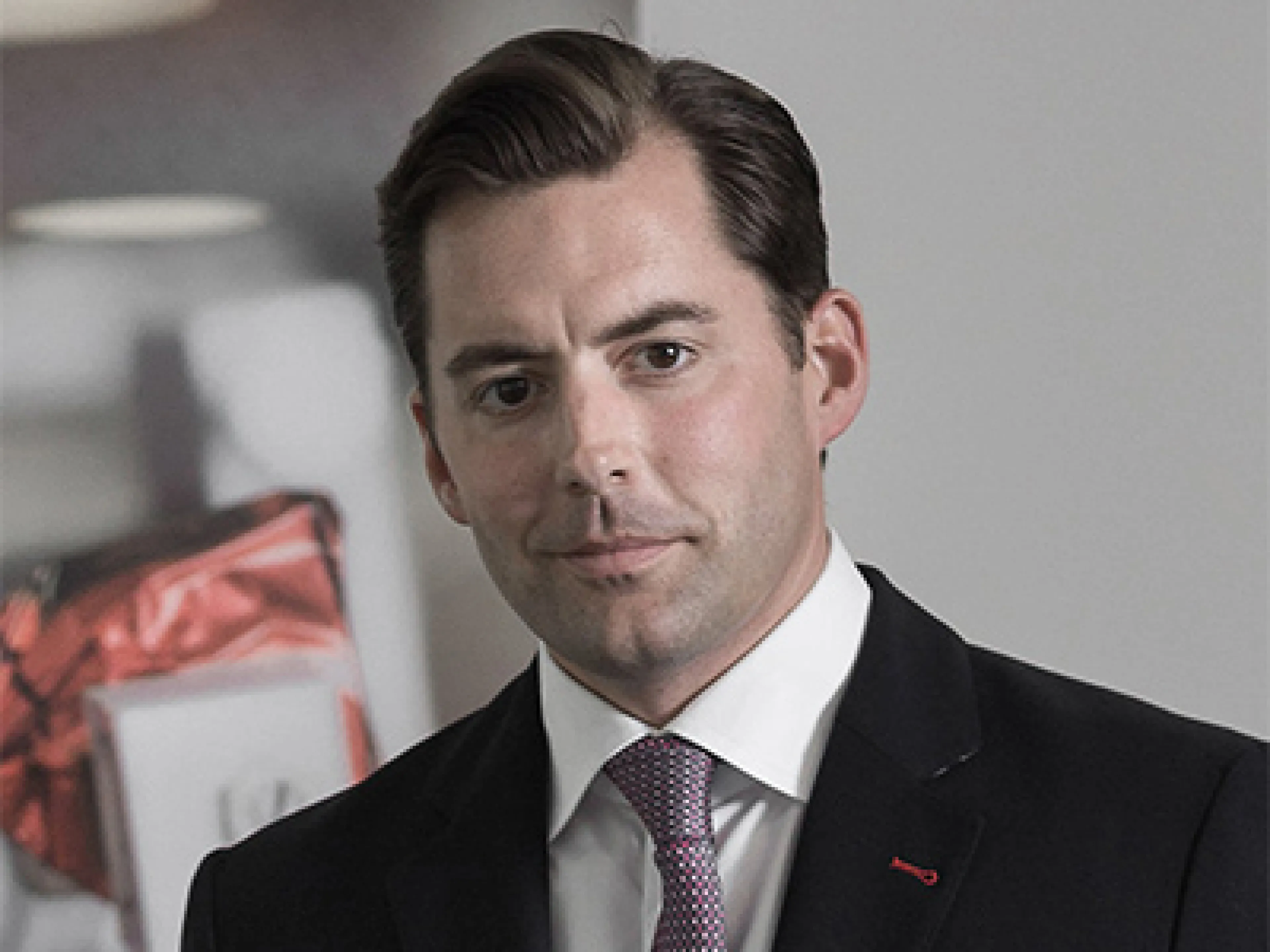
Markus Elsässer, founder and managing director of Solar Promotion, explains: "Electricity from solar and wind is already unbeatably cheap. The energy transition is unstoppable and delaying it will only damage the economy. Companies can reduce their energy costs long term and ensure competitiveness through renewable energy. Secure supply is guaranteed through flexibilization, the combination of intelligent storage, digital grid solutions and sector coupling."
Integration of renewable energies through sector coupling and digitalization
A key element of future energy systems is the integration of different sectors. Electricity, heating, and mobility are increasingly being integrated to tap into efficiency potentials. Digital control and flexible load distribution help reduce the need for grid expansion. Technologies such as energy storage, smart grids, and hydrogen solutions complement electricity generation from wind and solar power. This creates a networked system capable of responding to varying demands.
Renewables as drivers of the economy and electrification
Electrification is considered a key factor in the transformation of the energy supply. It affects sectors such as industry, transportation, and heat generation. At the same time, the role of consumers is changing, as more and more stakeholders generate, store, and use electricity themselves. The economic significance is also reflected in cost structures. Germany spends approximately 81 billion euros annually on importing fossil fuels. Greater use of renewables can help reduce this dependence.
Broad alliance supports the expansion of renewable energies
The special exhibition is supported by numerous industry associations and companies. These include organizations from the renewable energy, hydrogen, biogas, and photovoltaic sectors, as well as international partners from the energy industry. Companies from various technology sectors are also participating as Solution Partners and showcasing concrete applications. This demonstrates the implementation of an energy system based on renewables from both a technical and economic perspective.