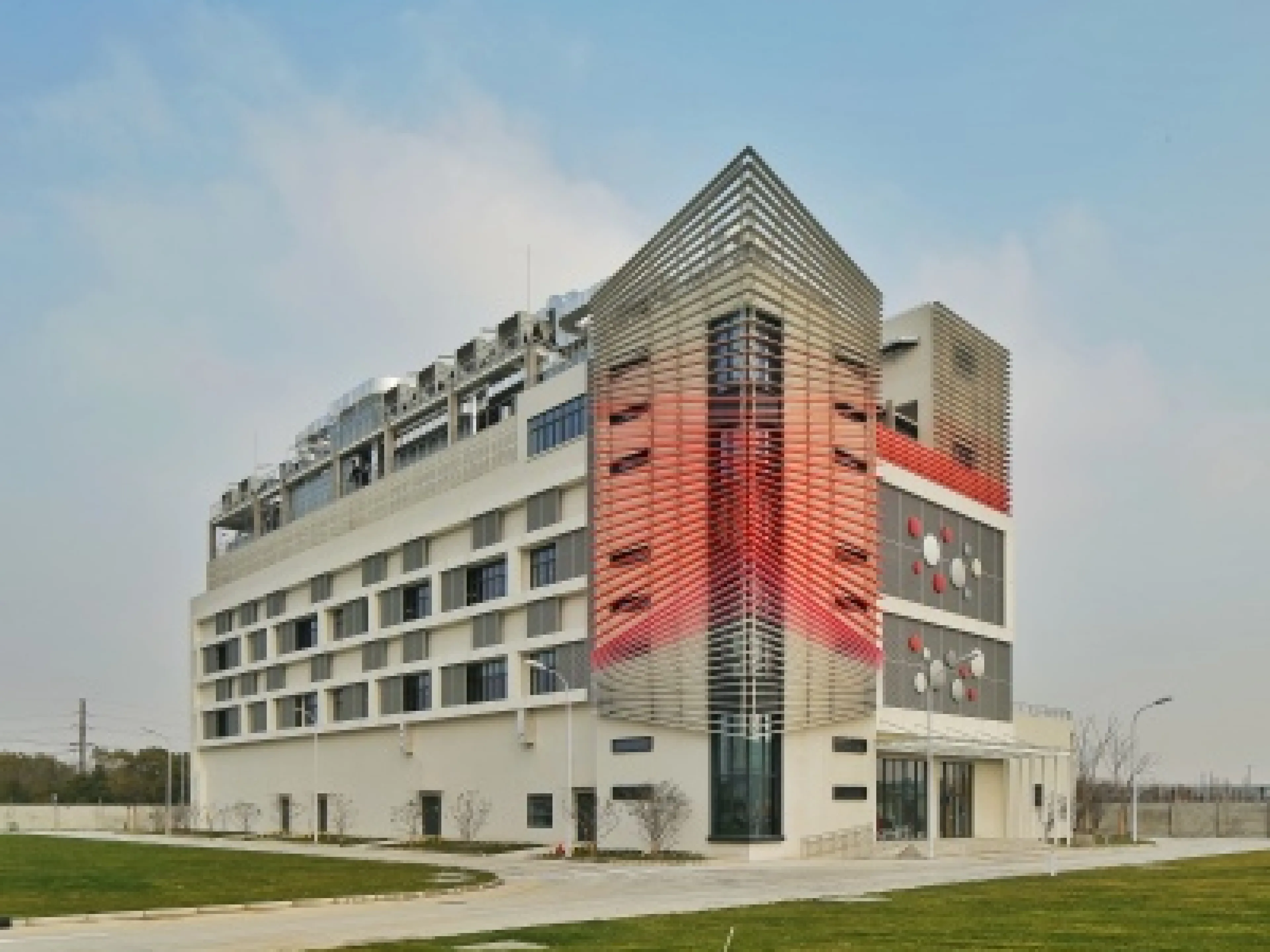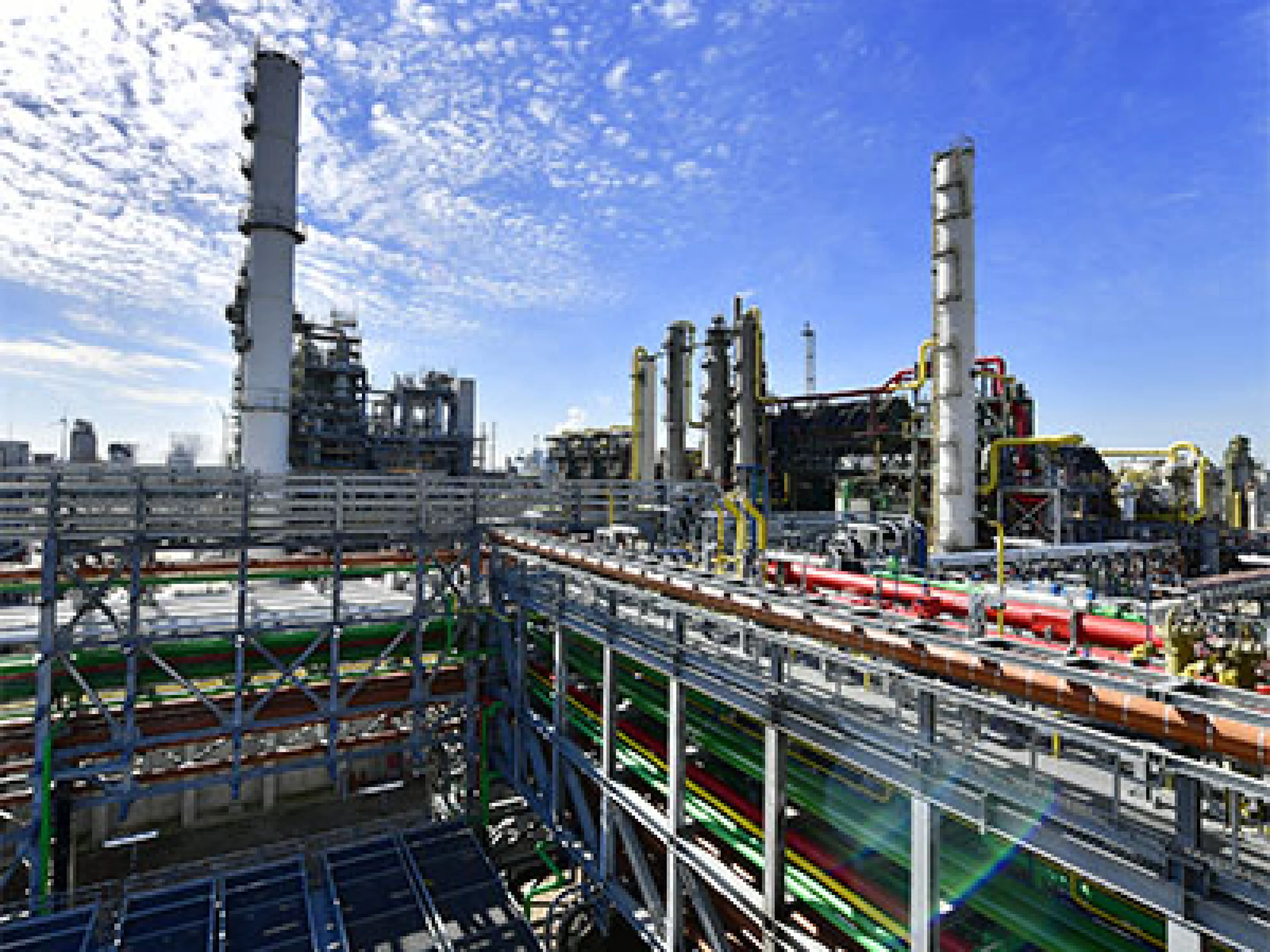

BASF has officially commissioned its new integrated site in Zhanjiang, China, further expanding its presence in the world’s largest chemical market. The site features integrated production facilities, a broad product portfolio, and the use of renewable energy. At the same time, the investment underscores the company’s strategic focus on local value creation and long-term growth in the region.
Expansion of BASF’s Market Position in China
With the new site, BASF is expanding its production capacities in China and specifically aligning its portfolio with key industries. The site produces basic chemicals, intermediates, and specialty chemicals for applications in transportation, consumer goods, electronics, and household and personal care products. A large portion of the products is intended for the local market, thus following the “local-for-local” strategy. BASF employs more than 2,000 people at the site, thereby strengthening its industrial presence in one of China’s most economically dynamic regions. “Zhanjiang shows what the future of chemistry looks like: efficient, digital and sustainable by design. The site showcases a smart integrated Verbund structure on an industrial scale,” says Dr. Markus Kamieth, Chairman of the Board of Executive Directors at BASF.
Integrated production and sustainable processes
The Verbund site is based on an integrated production structure that links various value-added steps. This Verbund integration, along with process innovations, enables significant reductions in emissions. According to the company, CO2 emissions can be reduced by up to 50 percent compared to conventional petrochemical plants. This is made possible, among other things, by long-term green power contracts and investments in offshore wind energy, which enable a power supply derived entirely from renewable sources. “I am proud of BASF’s innovative strength as the basis for the start-up of the most sustainable integrated chemical site in China, and the successful ramp-up of the steam-cracker in record time,” emphasizes Dr. Stephan Kothrade, member of the Board of Executive Directors and Chief Technology Officer at BASF, adding: “It sets new benchmarks for sustainable chemical production in China and worldwide.”
Key facilities at the BASF site in operation
Numerous production facilities have already been brought online at the site. In total, BASF operates several production lines there and manufactures a wide range of chemical products. The integration of the facilities enables efficient processes along the entire value chain. A central element is the steam cracker with a capacity of one million tons of ethylene per year. It is designed to process various feedstocks. At the same time, electric drives are used that are powered entirely by renewable energy. The steam cracker serves as the starting point for several value chains and contributes to the production of low-carbon products.
Investment as a Signal for Long-Term Growth
The investment in the site amounts to approximately 8.7 billion euros. The project was completed on schedule and under the originally planned budget. With this, BASF is sending a signal regarding its long-term focus on the Asian market. “Bringing this site to life took real ownership, speed and an exceptional level of commitment from our BASF team. Completing a project of this magnitude and complexity on time and under budget is remarkable. I want to thank everyone involved both at the site and worldwide who made this possible,” explains Kamieth. “This investment shows confidence in the world’s largest chemical market in the long run and will be an important element of our ‘Winning Ways’ strategy,” he adds.
Development of the BASF Verbund site in Zhanjiang
The site in Zhanjiang is the seventh Verbund site worldwide and ranks among the company’s largest facilities. Through a combination of integration, scale, and local focus, BASF is strengthening its position as a supplier to various industries. The project in Zhanjiang was announced back in 2018, and construction began the following year. The first production capacities gradually came online starting in 2022, including a plant for engineering plastics and, later, a production line for thermoplastic polyurethanes. At the turn of 2025/2026, BASF launched the first integrated value chains within the Verbund and commissioned the steam cracker. The site is now the seventh Verbund site worldwide and, after Ludwigshafen and Antwerp, ranks among the company’s largest facilities. It is operated entirely under BASF’s responsibility.